



Most of the 23 non-core Primary Teachers’ Colleges (PTCs) phased out under government reforms remain idle or severely underutilised, raising concerns over wasted public resources and missed opportunities to expand access to education, three years after their closure.
The colleges were closed following the rollout of the National Teacher Policy (2023), which introduced a major shift in Uganda’s teacher training framework by prioritising graduate teachers.
Under the policy, training for non-degree primary school teachers was discontinued, rendering several PTCs redundant.In a rationalisation exercise approved by the Ministry of Education on 21 February 2023, Uganda’s 46 PTCs were split into two categories.
Twenty-three “core” colleges were retained and integrated as campuses or affiliates of the Uganda National Institute for Teacher Education (UNITE). The remaining 23 non-core institutions were earmarked for repurposing into secondary schools, technical and vocational education and training (TVET) centres, nursing schools, or other community-serving institutions.
However, progress in converting these facilities has been slow. According to the Auditor General’s report for the 2024/2025 financial year, only four of the 23 non-core PTCs, Erepi (Moyo), Paidha, Kabwangasi, and Rukungiri, have so far been fully repurposed and are operational.
This leaves 18 institutions, representing 82 per cent, either idle or underused since their closure in 2023.Auditor General Edward Akol warned that the continued underutilisation of the facilities is both inefficient and costly.
The report notes that the government continues to incur significant expenditure on maintenance and security, even as the infrastructure remains largely unproductive. It also highlights the risk of deterioration and vandalism, alongside delays in expanding access to secondary education, TVET, and health training.
“The delay was attributed to inadequacies in inter-agency coordination, lack of a costed implementation plan, funding constraints, and slow legal and administrative processes,” the report states.
The Auditor General recommended that the Ministry of Education develop a funded, time-bound repurposing strategy with clearly defined roles, milestones, and monitoring mechanisms to ensure the infrastructure is put to effective use in line with the National Teacher Policy.
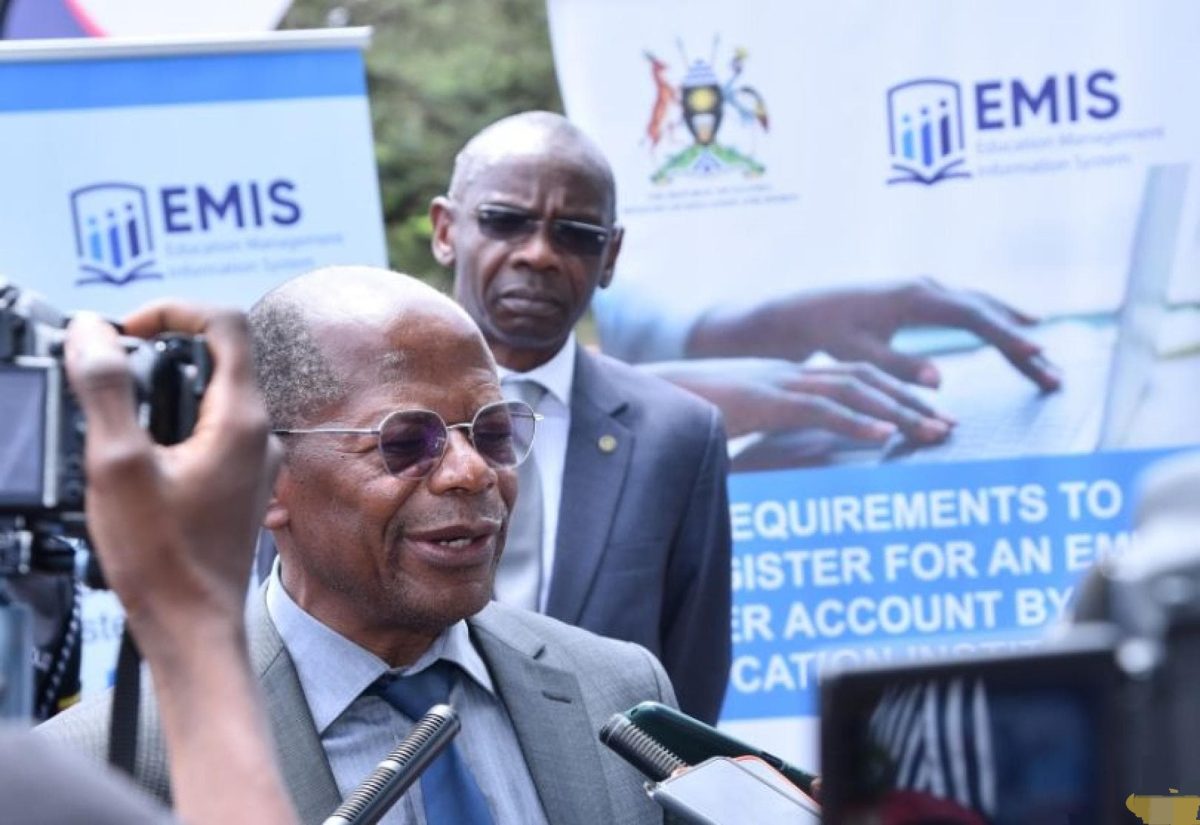
Responding to the concerns, State Minister for Higher Education, Dr John Chrysostom Muyingo, acknowledged the delays, attributing them to competing stakeholder interests, limited funding, and prolonged administrative processes.
Muyingo said the government has plans for the facilities but needs to first address several challenges, including extensive consultations with communities on their preferred use.
He noted that the process is often prolonged due to differing stakeholder views, with some advocating for secondary schools while others favour nursing or technical institutions, all of which he said are valid options.
He added that even where consensus has been reached, progress is often slowed when previously absent stakeholders reopen discussions.
Beyond consultations, Muyingo noted that converting former PTCs into functional institutions, such as secondary schools, requires substantial investment, including recruitment and deployment of teaching and non-teaching staff, similar to the establishment of new seed schools.
“We have already submitted our plans to the Ministry of Finance, but they are yet to be funded,” he said, without disclosing the total cost required.
Meanwhile, the Leader of the Opposition, Joel Ssenyonyi, has criticised the slow pace of repurposing in the Opposition’s Alternative Budget Priorities for the 2026/27 financial year. The document estimates that the government is spending 140 billion Shillings annually to maintain the 18 idle colleges, an average of about 7.8 billion Shillings per institution.
The Opposition argues that these funds could be better utilised by fast-tracking the conversion of the facilities and redirecting savings towards grant-aiding secondary schools, particularly in more than 200 underserved parishes that lack adequate access to post-primary education. URN