

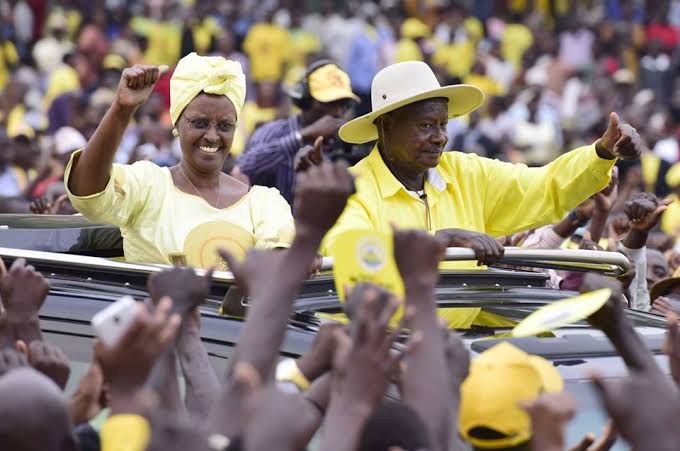
With just days to the 2026 presidential election, more and more political watchers are saying President Museveni is headed for another easy win. It is not that he has suddenly become wildly popular.
Things have changed a lot since the last election in 2021. Now, you see opposition fatigue, splits inside the National Unity Platform (NUP), and a world that is just not paying as much attention to what is happening in Uganda. The ground has shifted.
Voter apathy
The mood among opposition supporters feels different this time. There is this sense of giving up. People who used to turn out in big numbers now openly wonder if the Electoral Commission (EC) could ever announce anyone but Museveni as the winner.
Of course, this did not happen overnight. It is the result of years of disputed elections. Museveni always comes out on top, and there are always stories about rigging, intimidation, or state resources being used for his campaign. Go back to 2006, 2011, 2016, or 2021 — every time, opposition candidates challenged the results in court, and every time, nothing changed.
Even when the Supreme Court pointed out problems, it still let Museveni keep his win. Over the years, a lot of people have come to believe the whole process is stacked against anyone but the president. For some, voting now feels more like going through the motions than actually making a difference.
Because of this, more people are opting not to vote. Back in 2021, there was noise everywhere: rallies, music, symbols, and social media all made it feel like something big could happen. Now? It’s quiet. There is hardly any excitement on the streets or online.
Elections need hope and a sense that things could change. When people think the result is already decided, that hope just dries up.
No Buzz
Compared to the electric mood in 2021, the run-up to 2026 feels flat. Back then, Robert Kyagulanyi (Bobi Wine) shook things up. He brought in young voters, broke the usual political routines, and made the race actually feel open.
Music shows turned into campaign events. Red berets became a sign of protest. For a lot of first-time voters, it was personal and urgent.
Now, five years later, that energy is gone. The opposition doesn’t have a new story or a big event to fire people up. Their messages sound the same as before. They talk about change but have not turned it into a real plan that brings back old supporters or wins over the undecided.
Meanwhile, Museveni and his party, the National Resistance Movement (NRM), get a boost just by being in charge. Government programmes, regional tours, state events; all these double as campaign moments, keeping Museveni front and center in people’s lives, even when it’s not officially campaign season.
Kyagulanyi’s influence is not what it used to be. He is still Uganda’s most recognizable opposition figure, no doubt about that, but the excitement that powered his rise seems to be fading. Back in 2021, people flocked to him because he felt fresh, a young, bold alternative after nearly forty years of Museveni. That energy came from the sense of real change.
But now, five years on, the shine has worn off. Both his supporters and critics are restless, wondering what comes next. Sure, he still talks about building “a new Uganda,” but when it comes to the nuts and bolts, like how he would fix the economy, improve healthcare, and overhaul education, he’s been vague.
Plenty of people who once cheered him on admit they’re frustrated. People struggling with joblessness, rising costs, and heavy taxes want more than just speeches about Museveni’s failures. They want real plans.
It hasn’t helped that Kyagulanyi’s had little room to maneuver. The government restricted his movement and kept him under tight watch after the 2021 elections. Even so, critics point out that his party, NUP, has not really put in the work to build solid policies, grow its grassroots, or open up internal decision-making.
NUP’s own problems have not made things any easier. Since 2021, the party’s been marked by infighting, disputes over who’s in charge, and talk of mismanagement. Some members say the leadership shuts out anyone who disagrees. Others are angry about not knowing where the money goes. Now and then, these arguments spill out in public, which chips away at the unity that once made NUP stand out.
NUP’s brief, awkward attempt to join the Inter-Party Organisation for Dialogue, something they’d always avoided, looked like a sign of confusion or maybe even desperation for funding. The leadership tried to sell it as a way to push for reforms from the inside, but plenty of people just saw a party backing off from its principles.
All this back-and-forth makes it tough for NUP to send a clear, strong message. In politics, if you can’t set out what you stand for, you lose people’s trust, and opponents rush in to fill the gaps.
Money’s another problem. Back in 2021, Ugandans living abroad, mostly in North America and Europe, sent serious cash to fuel the opposition. They paid for logistics, legal battles, and support for activists. But lately, that pipeline has slowed. Some diaspora supporters claim NUP party leaders back home misused the donations in lavish functions. True or not, that kind of talk kills confidence.
Without steady funding, it is almost impossible to run campaigns, pay polling agents, get out the vote, or challenge election results in court. The sense that money’s being mishandled only makes donors more reluctant.
Meanwhile, Museveni sits comfortably, untouched by these problems. He taps into vast state resources, leans on old patronage networks, and commands a party that’s deeply rooted across the country—especially in rural areas. The playing field isn’t even, and Kyagulanyi’s camp feels the pressure.
Enter Trump
The global political scene has changed, and it’s working out well for Museveni. With Donald Trump’s rise to the US presidency, foreign pressure on African leaders about democracy and human rights has faded. Trump’s “America First” approach puts US interests and strategic deals ahead of pushing for democracy. Unlike past administrations, which called out election abuses and hit governments with targeted sanctions, the US now takes a more hands-off, transactional approach.
That shift matters if you’re in Uganda’s opposition. In previous elections, international criticism, donor money, and diplomatic attention gave the opposition a bit of leverage. Now, with the world watching less closely, incumbents like Museveni feel bolder, and opposition groups lose one of the few sources of outside support they had.
Museveni knows how to read the global room. He has spent years casting himself as the region’s stability guy and a security partner for the West. Right now, in a world where strategic interests come first, and democracy talk comes second, that’s a card worth playing, and he’s playing it well.
Yet even without the opposition’s problems, Museveni holds strong cards. He has a political machine that’s been running smoothly for close to 40 years. The NRM’s reach goes from government offices in Kampala all the way down to the smallest villages, powered by patronage, old loyalties, and a firm grip on security.
Museveni’s message has shifted, too. These days, he sells himself as the steady hand, pointing to Uganda’s relative peace while chaos brews in nearby countries. For a lot of voters, especially the older generation, stability beats the risk of change.
Then there are the government’s programmes: the Parish Development Model, new roads, and buildings. Sure, critics complain about how they’re run, but when it’s campaign season, they make for solid talking points.
Put all this together, and you see where things are headed. The opposition is tired, divided, short on cash, and struggling to spark much excitement. International focus has drifted away. Museveni’s challengers are running on fumes.
That doesn’t mean crowds are cheering for Museveni in the streets. It just means the political mood favours sticking with what people know. Without a strong alternative, a lot of voters seem ready to accept another Museveni term, not out of passion, but out of resignation.
Right now, Museveni looks set for a comfortable win on January 15.