

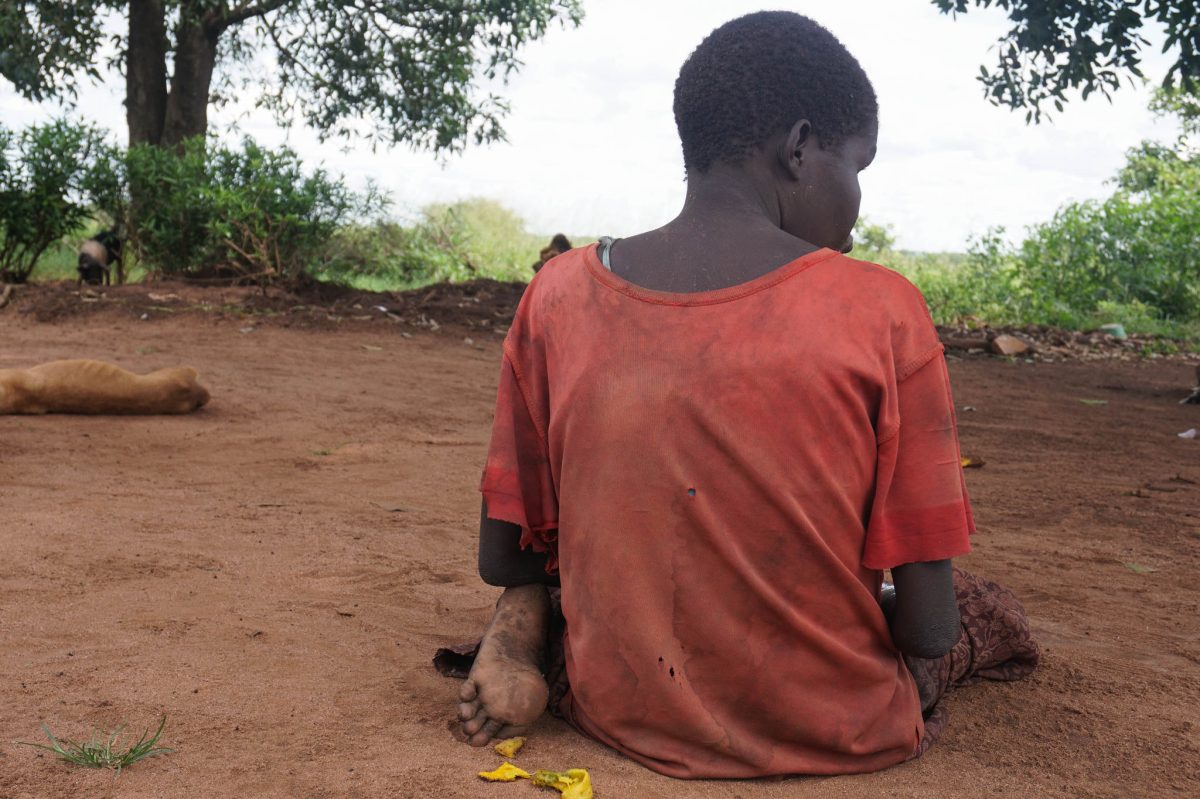
In Northern Uganda, Nodding Syndrome continues to rob children of their childhood, devastate families, and strain communities.
Unlike HIV, it receives minimal attention, inadequate funding, and failing healthcare support. Cases continue to rise in Pader, Kitgum, and Omoro, leaving families burdened by illness, abuse, and poverty, asking not just “why my child?” but “where is the help?”
In Atanga and Awere sub-counties in Pader District, the effects of the syndrome remain devastating. In September 2025, Dr. Benson Oyoo, the District Health Officer, revealed that Pader has 1,359 patients, 562 of whom suffer severe forms of the disease.
“The disease gives a total burden directly to the household and the community where these patients are located,” he said, explaining that some patients engage in incest or forced relationships while families struggle to care for aggressive children.
n Labongo-Akwang, Kitgum District, Joe Otoo, the Nodding Syndrome Coordinator who first documented the condition in 1999, said he encountered it during routine visits in Tumangur village. “While diseases like COVID-19 were quickly addressed, nodding syndrome remains neglected to this day,” he noted, adding that many female victims have suffered sexual abuse and some have become young mothers.
He explained that tracking cases is extremely difficult and that patients now rely solely on epilepsy drugs for relief. Dickson Ojok, District Councilor for Angagura Sub-county, said there has been no recovery among patients, with numbers “reducing only through death.” He criticized the lack of specialized care centers and urged government intervention.
“This condition should be treated as an emergency with deeper research, but I see the government doing very little,” he said. The Epidemic No One Counts Accurate data on Nodding Syndrome remains elusive. Surveys by the Acholi Parliamentary Group (APG) and the John Baptist Odama Foundation in 2022 recorded 2,987 cases in Pader alone and 5,319 across the region—3,020 female patients, 2,293 male patients, 927 child mothers, 606 sexual abuse victims, and 545 deaths since 1998.
Samson Ocaya, Pader’s Nodding Syndrome focal person, said data collection is hampered by a lack of equipment and funding. “The condition for the nodding syndrome victims is not good. We are still relying on old data, which isn’t reliable,” he explained.
Parliamentarians continue to raise concerns. Pader Woman MP Lowila CD Oketayot noted that the disease’s consequences are catastrophic. “These children are not statistics—they are our sons and daughters. There are homes where all the children have been wiped out, and parents live with pain every single day.” Government records cite 2,143 cases and 37 deaths, but MPs insist real figures are closer to 3,000 cases and 1,000 deaths.
Minister of Health Dr. Jane Aceng has claimed there are no new cases, a statement contested by local leaders. Aruu County MP and psychiatric nurse Christopher Komakech said, “All the medical workers in Pader have never received training on how to handle children with nodding syndrome. It is wrong to say there are no new cases when we don’t even have qualified staff to collect data.”
A former CDC researcher, Dr. James William Mugeni, questioned Uganda’s public health priorities and suggested the suppression of research findings. “Are the children of Northern Uganda suffering because of war? Why has nodding disease not spread to other parts of the country?” he asked.
Uganda’s Two Diseases, Two Realities.
While the HIV response in Uganda is well-funded and data-driven, Nodding Syndrome remains neglected. Walter Okumu, Ogom Village Chairperson, said patients—especially girls—struggle with hunger and are sometimes tied to trees to prevent seizures and accidents. Few patients follow medication schedules, none attend school, and some communities isolate victims.
Okumu recalled cases where victims died suddenly, demanding increased research and accountability. Ajan Sub-county LC3 Chairperson Tabu Ojok criticized the lack of transparency: “Local leaders rarely receive reports on how NS funds are used. Unlike HIV patients, many families have given up—some even wish their children would die to end the suffering.” HIV data demonstrates what strong policy can achieve: adult prevalence fell to 4.9% nationally by 2024, with Pader improving from 12.3% to 8.9%.
Studies link Nodding Syndrome to Onchocerca volvulus, the parasite responsible for river blindness. WHO describes NS as a neurological condition first documented in Tanzania in the 1960s, later in South Sudan, and in Northern Uganda in 2007.
Dr. Aceng said: “Nodding syndrome is also caused by the same vector that causes river blindness, onchocerciasis… the government is making efforts to eliminate onchocerciasis, but the only challenge is opening our borders to refugees who come with the parasite in them.”
Researchers also point to autoimmune reactions triggered by infection. Yet NS remains geographically restricted to northern Uganda and South Sudan, suggesting unique environmental or genetic factors. Professor David Lagoro Kitara argues that NS is a complex neuro-inflammatory disorder requiring targeted interventions. Between 2012 and 2013, CDC and Ministry of Health studies identified 1,687 probable cases among children aged 5–18.
Symptoms include seizures, cognitive decline, stunted growth, psychiatric disturbances, and frequent deaths from accidental causes. Despite multiple allocations, funds have been mismanaged. Parliament approved shillings 1.4 billion in 2018 and another 1.2 billion in FY 2020/21.
A forensic audit was ordered after revelations that money intended for patient support was diverted to allowances. The FY 2024/25 report shows declining Nodding Syndrome supervision and reduced financing. Treatment centers in Odek and Tumangur have closed. Patients now rely on expired drugs, and Doxycycline has been unavailable since 2021. Esther Lalam, Awere Sub-county Councilor, said families face severe food shortages and delayed or expired supplies.
From Nodding to Thriving
The SOFSUNS project by Caritas helped a small number of children gain vocational skills. However, most dropped out due to seizures, and rehabilitation centers remain closed. Leaders are calling for government intervention to restore treatment centers and allocate local revenue.
Sexual abuse remains rampant. Otoo reports that 94 girls were impregnated, 34 children have no known fathers, and 99 patients have died in Labongo-Akwang alone. Ajan sub-county records show similar abuse and even arrests of local leaders involved.
Fake Witch Doctors Exploit the Crisis
Desperation has led families to unlicensed practitioners. In Olwo North, Pader Town Council, residents evicted two men falsely claiming to cure NS. Authorities warn that without proper medical services, more families will fall prey to such schemes.
Beyond Silence
Ocaya stresses the need for updated data, research, and comprehensive support. “There is a need for updated data on victims to ensure comprehensive support. Research is also needed to determine if there are multiple types of nodding syndrome.” Dickson Ojok said the affected generation is at risk of being forgotten. “Only if it spreads nationwide will more action be taken.”
Nodding Syndrome continues to devastate families, with exploitation and neglect compounding the pain. Urgent government intervention—medical care, psychosocial support, rehabilitation, and regulation of traditional practitioners—is essential to restore dignity and hope to affected children.
****URN****