

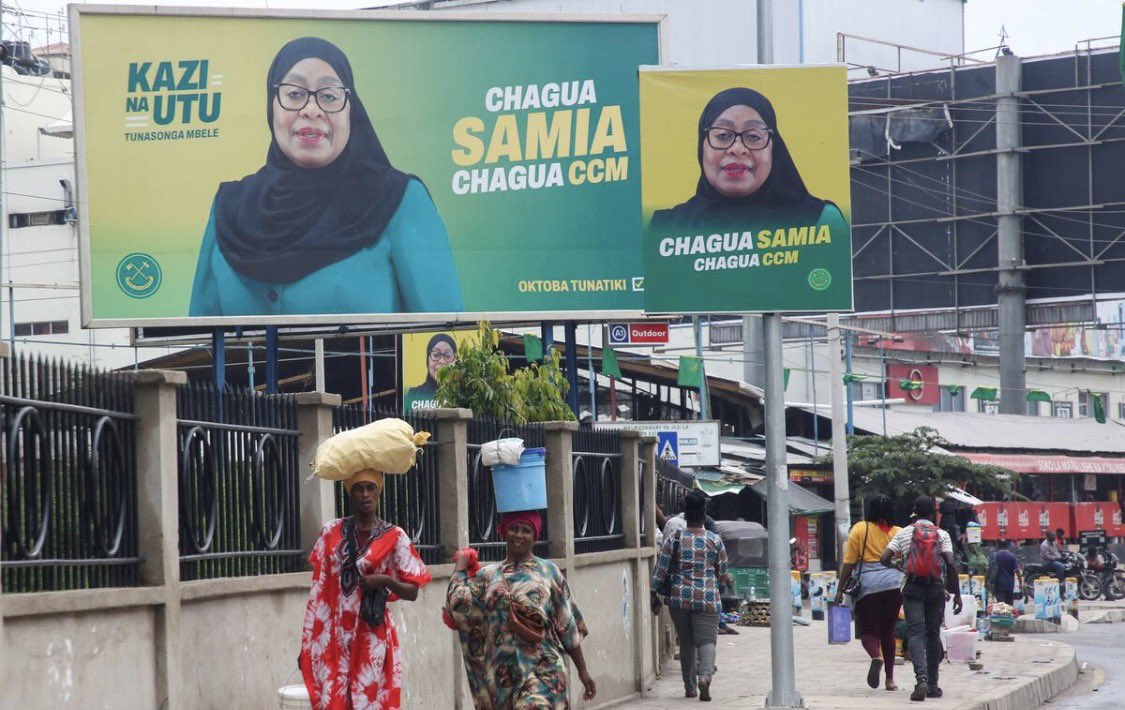
Tanzania recently had presidential elections, which were won by the incumbent Samia Suluhu of CCM. After the results were announced, there were some protests in parts of Tanzania, but the government managed to calm things down and stabilize the country, even though there were outside efforts to stir up trouble.
Many people in Tanzania, officials, and analysts say those protests after the vote were not all homegrown.
Western capitals jumped in to judge. Washington, Brussels, and other big players rushed out statements, hinted at diplomatic backlash, and acted like Tanzania’s choices only count if they get a stamp of approval from abroad.
The reaction to Tanzania’s election was a continuation of West’s efforts to block the East African country from building new partnerships in the Global South. There was political pressure, negative media stories, Western-backed NGOs, and even international organizations like the UN and SADC that worked to undermine the election results and question Suluhu’s credibility.
Africa has had a long history of outside interference.
It goes way back, right to the early days after independence. Western powers helped topple leaders like Kwame Nkrumah in Ghana, backed coups against leaders like Patrice Lumumba in Congo, meddled in Sudan’s political transitions, and propped up “friendly” regimes all over.
France basically ran the show in West Africa for decades, backing governments in Chad, Niger, Mali, and Burkina Faso until people finally said enough and kicked French troops out. The US grew its military reach through AFRICOM, claiming it was all about fighting terrorism, but critics saw it as just another way for Washington to keep its grip on the region.
Even when there weren’t soldiers involved, Western countries pulled the strings. IMF and World Bank loans came with tough conditions, forcing African governments to follow economic blueprints they did not design. International NGOs sometimes acted like shadow governments, shaping national priorities without ever answering to local voters.
After all this, it is hardly surprising that so many Africans feel like Western governments see their continent as something that needs constant “help”. The attitude can be downright patronizing, treating African countries like kids who can’t be trusted to make their own choices. If a government does what the West wants, it gets a pat on the back. If not, the “beating” starts like what happened in Tanzania.
The West’s selective attitude toward democracy and human rights makes the problem even worse. Western diplomats are quick to criticize elections in Africa always pointing out manipulation, lack of transparency, or how much power the state has. But when similar issues pop up in their own elections, you barely hear a peep. Take Europe, for example. When far-right parties start gaining traction or there’s talk of voter suppression in the US, everyone treads carefully.
The double standard could not be clearer than in the Palestinian crisis. Palestinians have faced years of bombardment, forced displacement, and the steady loss of their political rights. Human rights groups and international observers have gone so far as to call the situation in Gaza and the West Bank apartheid. South Africa and other countries have even accused Israel of genocide at the International Court of Justice. Still, Western governments use soft language, talk about Israel’s right to defend itself, and avoid direct criticism even as civilian casualties pile up.
Compare that to how the West reacts to political unrest in Africa. When trouble breaks out in Nairobi, Kampala, Harare, or Dar es Salaam, Western officials don’t mince words. Their statements are blunt, sometimes almost hostile. But when bombs drop on Gaza, suddenly the tone shifts. Everything becomes vague, careful, even apologetic. This inconsistency sends a clear message: Western governments hold themselves to different standards than everyone else.
And it gets worse when you remember the military interventions of the last few decades. The US and its allies invaded Iraq over weapons of mass destruction that did not exist. They bombed Libya, which fell into chaos and still hasn’t recovered. In Syria, major powers fueled the conflict by backing different sides. Iran is under sanctions that hit ordinary families much harder than the political elites in charge. None of these actions brought the democracy or stability Western leaders promised. Instead, they left behind shattered societies and lasting resentment.
Even so, these same governments keep lecturing African countries like Tanzania about good leadership, accountability, and the rule of law. The hypocrisy is hard to ignore, and it’s one reason more and more people are calling for a world order that isn’t run solely by the West.
You see this dynamic play out in Tanzania, too. After the recent elections, Western officials and media outlets immediately questioned the results, pointed to repression, and cast doubt on the new government’s direction. According to Tanzanian officials, pro-Western politicians at the UN and SADC—and NGOs funded by the US and Europe—amplified these criticisms. In their view, it wasn’t about helping democracy at all. It was about discouraging Tanzania from forming new partnerships with countries in the Global South.
You can hear the same frustration across Africa. Take Zimbabwe. Western sanctions have dragged on for twenty years, even though some Western allies have just as bad, if not worse, human rights records, but face no consequences. When conflict broke out in Tigray, Ethiopia got hammered with pressure, but Western-backed wars in the Middle East barely raised an eyebrow. Over in the Democratic Republic of Congo, violence keeps simmering, driven in part by the global scramble for minerals that end up in our phones and electric cars. Western companies cash in, while Congolese communities get stuck in poverty and insecurity.
So, what’s the message? To a lot of Africans, it’s clear: principles only matter when they fit Western interests. If the West honestly cared about democracy or human rights, it would stick to those values everywhere, not just when it suits its agenda. Instead, it picks and chooses, pushing its own goals while pretending to be the world’s moral referee.
Some African countries have built new ties with Asia, Latin America, and the Middle East. They are cutting back on Western aid and taking charge of their own futures. That shift has rattled some Western capitals.
Africa does not owe anyone obedience. Like anywhere else, it has every right to try out different political and economic models, to make mistakes and fix them, to grow on its own terms, without endless criticism from powers that have caused plenty of damage themselves.
If the West is serious about equality and genuine respect, it has to start by admitting its own failures and letting go of its habit of interference. Instead of threats and lectures, it should focus on real partnerships that treat African countries as equals.
Let us be honest. The West’s record in Africa is not principled or consistent. It is strategic and self-serving. The double standards are everywhere in Palestine, Iraq, Congo, Libya, Tanzania, and Zimbabwe. Africa doesn’t need guardians. What it needs is respect, trust, and the freedom to find its own way.