

Overview:
Through awareness campaigns, people have learnt about cancer in children. From time to time, they drop out seeking alternative interventions in churches and others in witchcraft, especially when pain intensifies.
There is still a high number of children who die unnecessarily due to curable childhood cancers, with experts citing gaps in care and cases where some families abandon treatment.
Speaking at a meeting to raise awareness about childhood cancers and advise parents on what to watch for during February Childhood Cancer Month, Dr. Banabus Atwiine, a pediatric oncologist at Mbarara Regional Referral Hospital, revealed that while there is no nationwide survey tracking children who drop out of treatment, the hospital records many cases of children unable to continue care
Through awareness campaigns, people have learnt about cancer in children. From time to time, they drop out seeking alternative interventions in churches and others in witchcraft, especially when pain intensifies.
Atwine was speaking shortly before Betty Agaba, a palliative care nurse, revealed that both caregivers and health workers have a false belief that children do not need palliative care and that this care is only meant for adults approaching the end of life.
She said that children who access palliative care services, they respond better and remain on treatment.
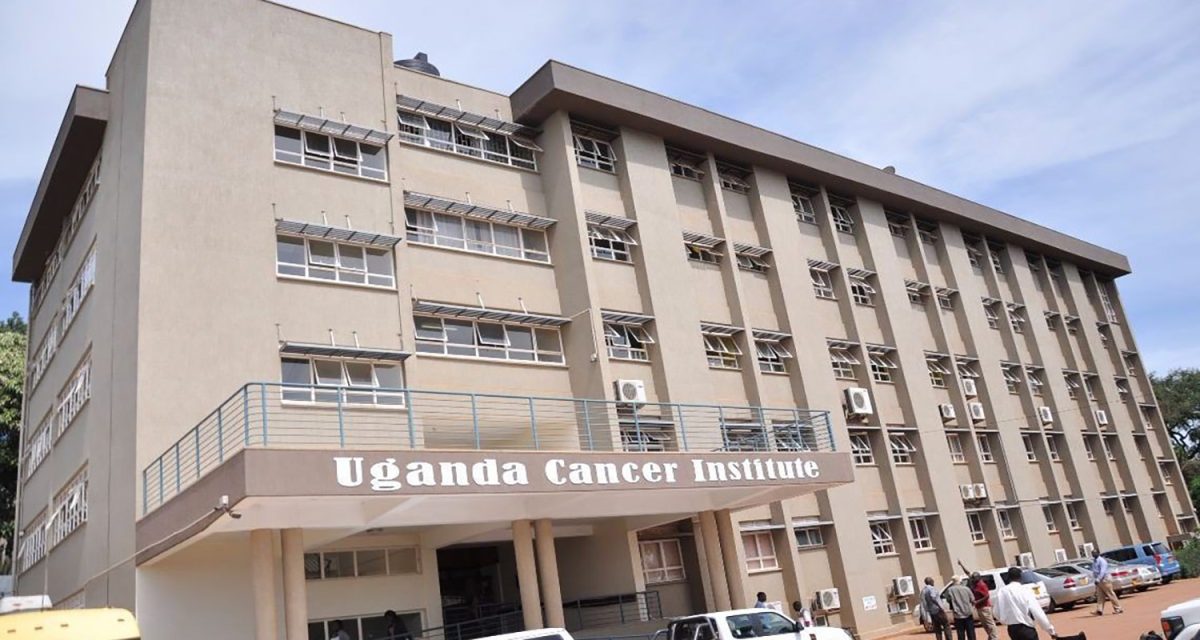
Data by the Uganda Cancer Institute (UCI) shows that leukemia, cancer of the kidney, burkitts lymphoma that affects the lymphatic system, and rhabdomyosarcoma that affects muscles and soft tissues remain the commonest cancers recorded among children in Uganda.
Atwiine says, across the country, children’s cancer patterns remain the same, with the only variation being that diagnosis is slow in some regions of the country, which makes it difficult to save the children, even as all the cancers are highly curable.
He urged parents and caregivers of children to be keen on noticing hard and firm painless swellings that appear on any part of the body, explaining that most of them present the same way. He says ninety per cent of such painless swellings in children end up being confirmed cancer.
On his part, Moses Echodu, who survived Burkitt Lymphoma as a child, says the government is currently providing up to eighty percent of all the medicines children need for treatment of cancer; however, he notes, for children, it takes more than having drugs stocked.
Echodu, who is also the Director of Uganda Child Cancer Foundation, says children need play therapy to be accompanied by the often tough care treatments.
****URN****