

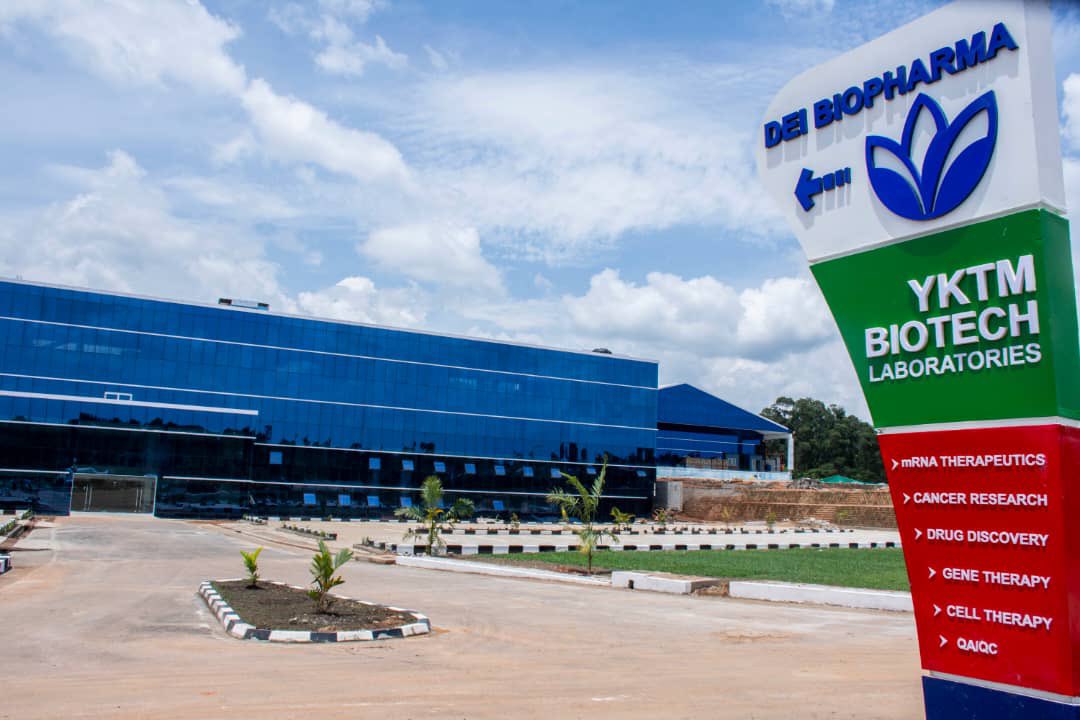
Uganda’s push toward pharmaceutical self-reliance gained fresh momentum this week as Dr. Matthias Magoola unveiled the scale and ambition of his industrial project at Dei BioPharma in Matugga, positioning it as a transformative force in Africa’s healthcare and manufacturing landscape.
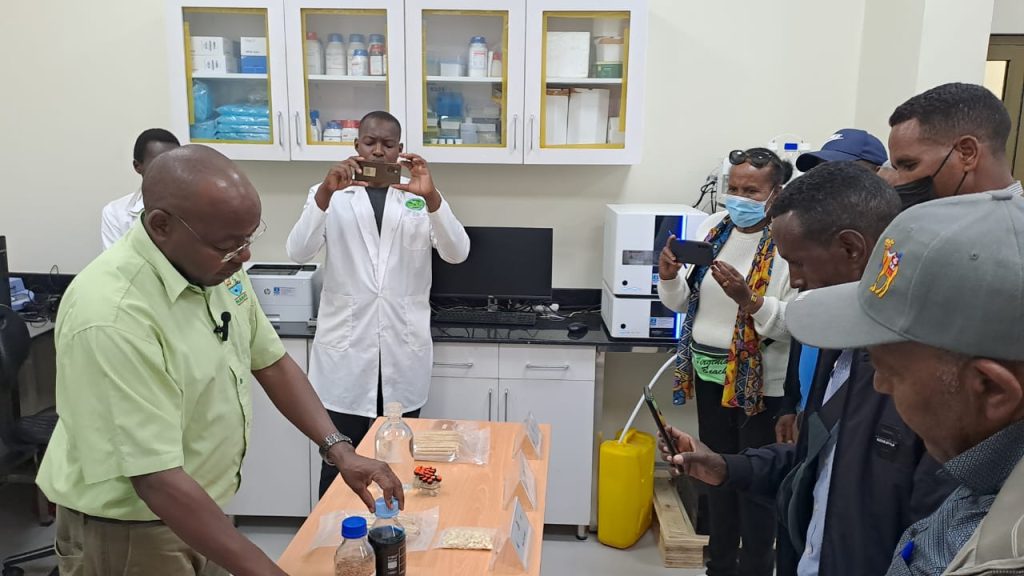
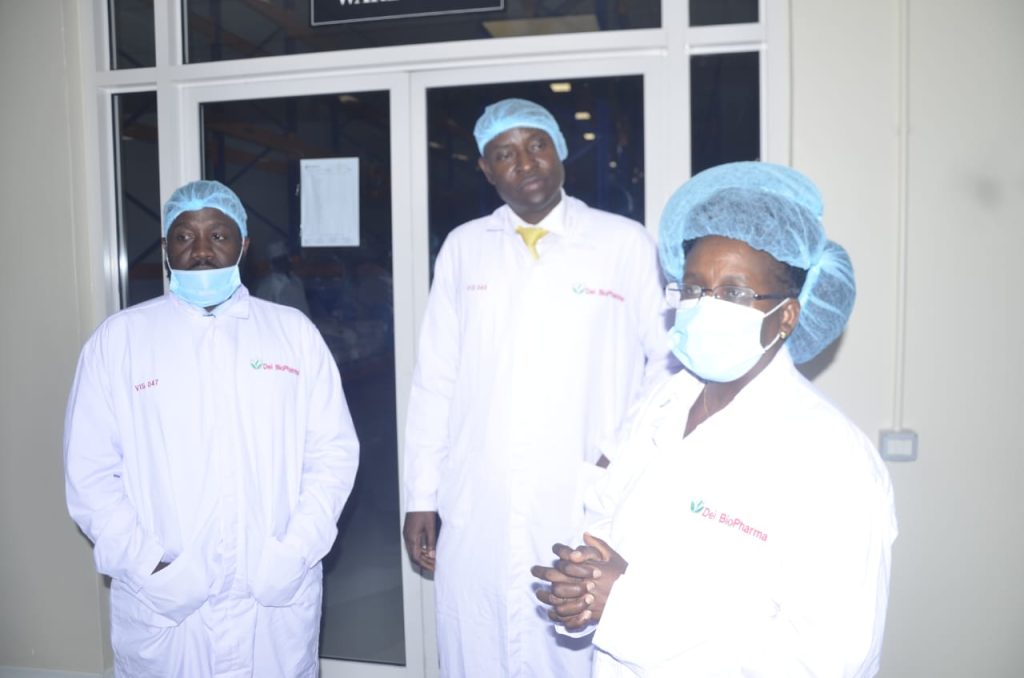
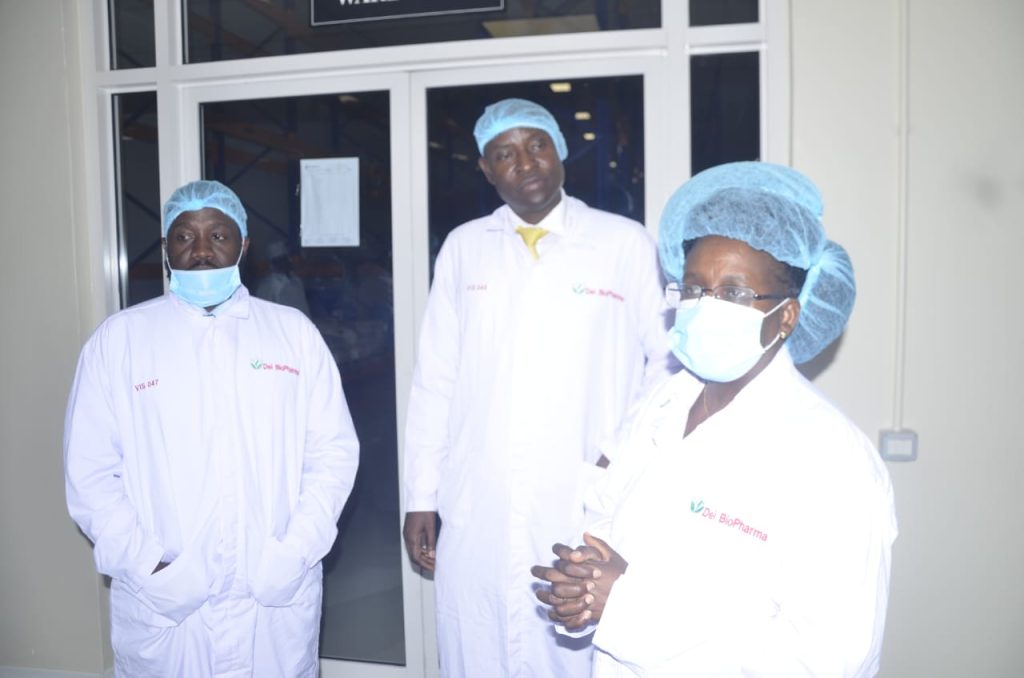
Speaking during a guided tour attended by journalists and government officials including State Minister for Youth, Balaam Barugahara, Magoola described a 250-acre pharmaceutical campus designed to produce essential drugs, vaccines, and advanced biological treatments locally.

He emphasized that Uganda currently imports more than 85 percent of its medicines, a dependency the project aims to reverse as the country seeks to build a knowledge-based economy anchored in science and innovation.
“Our plan is to be able to manufacture all essential drugs here in Uganda so we are able to supply the country, the region, Africa and the world,” Magoola said.
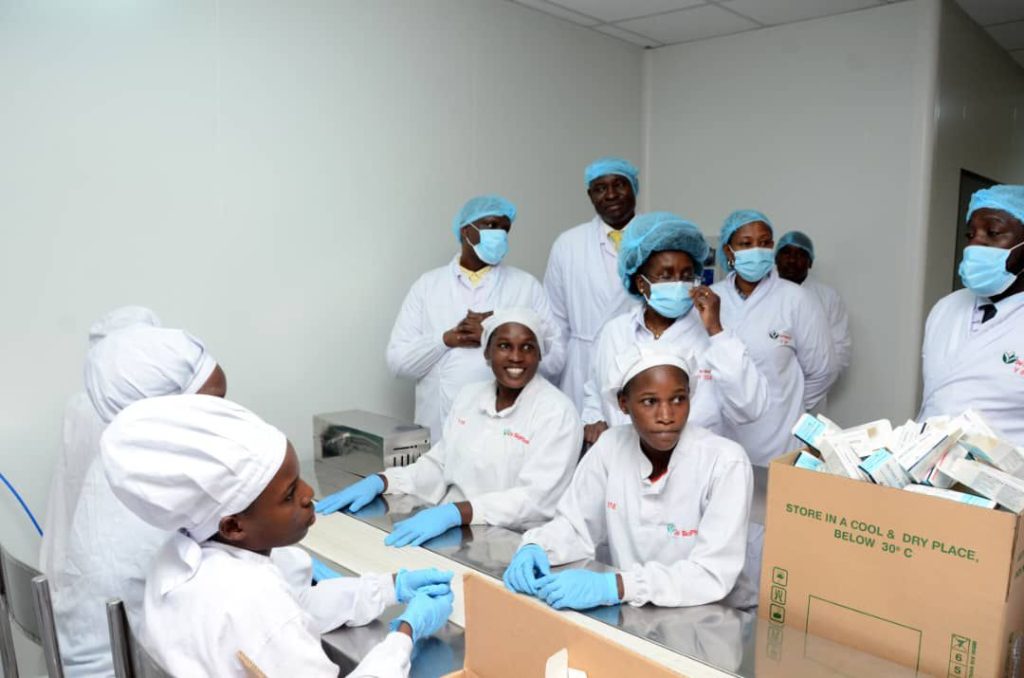
The facility, which is being built to meet stringent international standards such as those of the U.S. Food and Drug Administration (FDA), the World Health Organization (WHO), and the European Medicines Agency (EMA), is expected to host nearly 30 manufacturing units.
The units will cover a wide spectrum of pharmaceutical production, from basic essential medicines to complex biological drugs and vaccines.
Magoola explained that the scale of the project goes beyond what is visible in a single visit, noting that the first completed facility alone sits on six acres within the larger 250-acre campus. He said the entire complex would require days to fully tour, indicating the magnitude of the investment and infrastructure already in place.
“We will be manufacturing, we are setting up almost 30 manufacturing units, 30 different factories, we are able to manufacture all those drugs and vaccines,” he said.
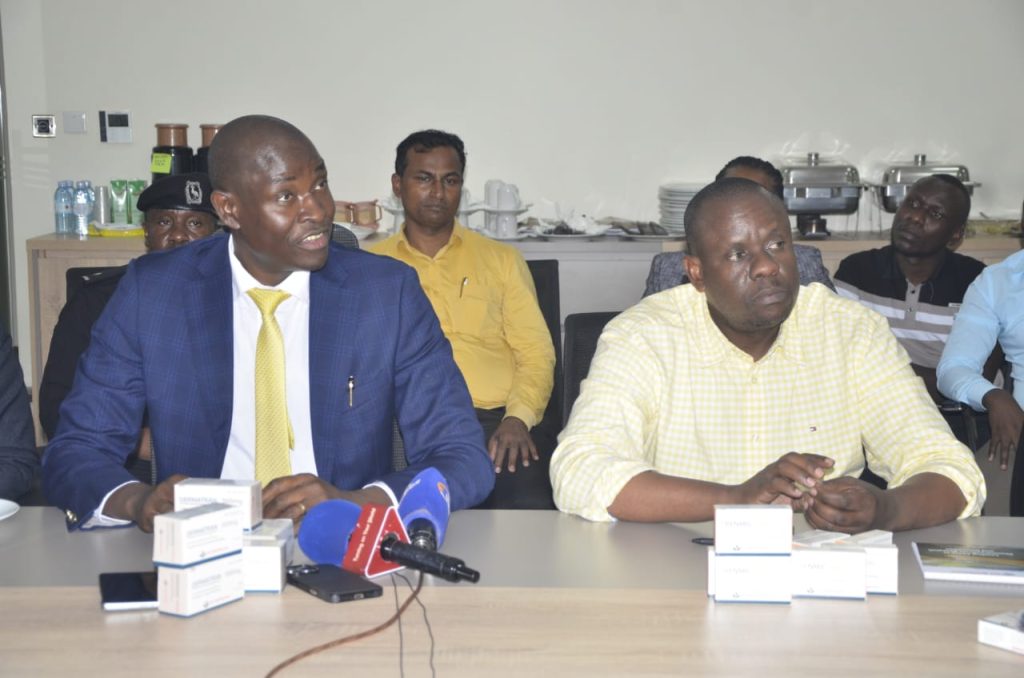
The company is starting with vaccine production, targeting diseases that have long defined public health priorities in Africa. These include polio, measles, tuberculosis, and other immunizable conditions historically referred to as the six killer diseases.
Magoola said the goal is to ensure that Africa no longer depends on external suppliers for lifesaving vaccines. “We are going to be making those vaccines right here,” he said, adding that the initiative would strengthen both national and continental health security.
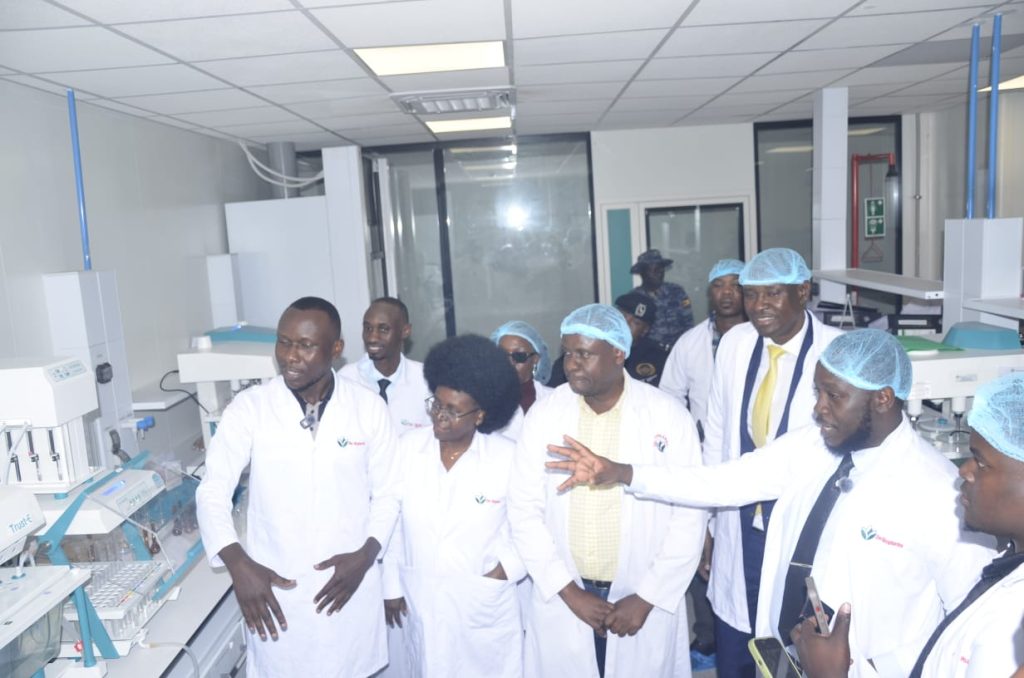
Apart from vaccines, the facility is also positioning itself to enter the highly specialized field of biological medicines.
Magoola highlighted the urgent need for affordable treatments for sickle cell disease, cancers, and other conditions that disproportionately affect African populations but remain largely untreated due to cost barriers.
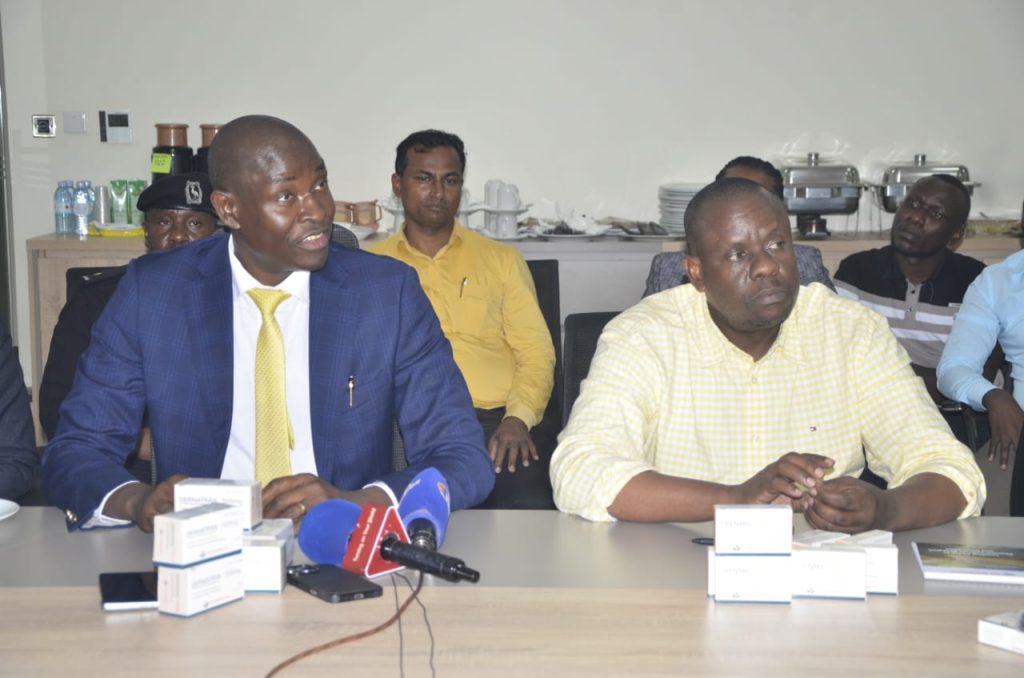
He cited gene therapies currently available in developed countries that cost millions of dollars per dose, placing them far beyond the reach of most patients on the continent. “But we are going to make those drugs and bring about affordability and availability,” he said.
Magoola added that Dei BioPharma is already engaging global regulatory systems, with more than 20 applications filed with the U.S. Food and Drug Administration for approval to manufacture advanced drugs.
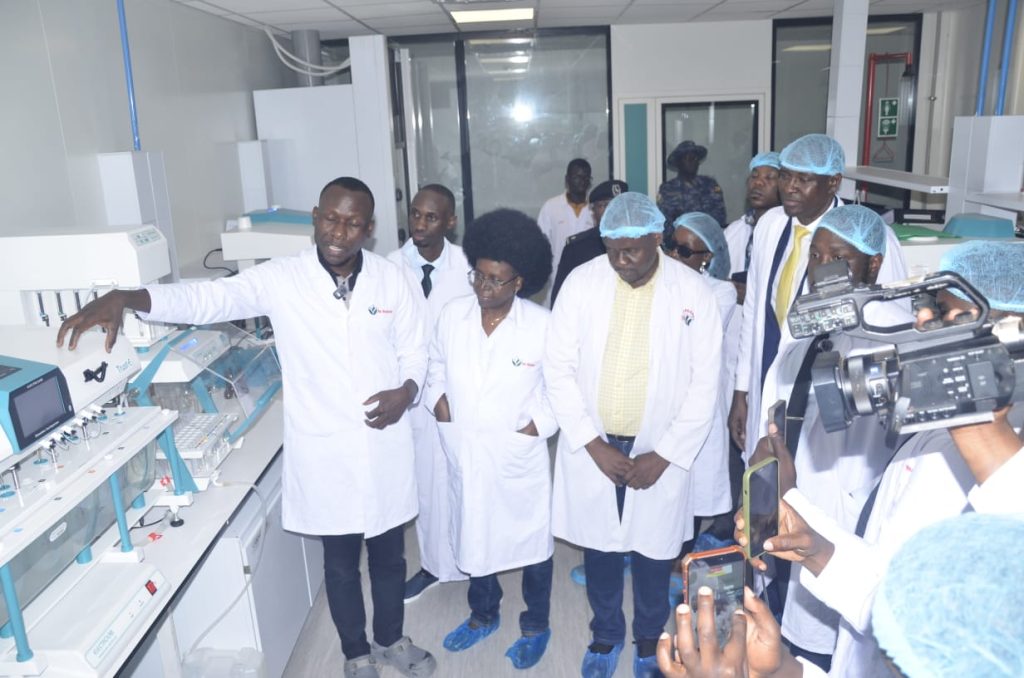
Some approvals, he noted, have already been secured, positioning Uganda to enter markets traditionally dominated by Western and Asian pharmaceutical giants.
The project is also expected to create more than 40,000 high-paying jobs, making it one of the largest industrial employers in Uganda. Magoola said the initiative is designed not only to produce medicines but also to nurture a skilled workforce in science, technology, and manufacturing.
“We are going to be employing more than 40,000 high-paying jobs, creating good jobs for Uganda,” he said.

He linked the project directly to the long-term economic vision of President Yoweri Museveni, crediting him with championing industrialization and supporting the development of local pharmaceutical capacity over many years.
“For us as a company we have so far invested here more than 2 trillion Uganda shillings, government has given us 724 billion, but the entire campus to complete it we need 1.1 billion dollars,” Magoola said, outlining the scale of financing required.
He also called on Ugandans to take ownership of the project through planned public listing, noting that citizens already have indirect stakes through government investment.
“We are going to list this company so I am calling upon Ugandans to buy shares in this company,” he said.
A key pillar of the project is its integration with upstream production of raw materials. In Namasagali, the Dei Group has established a 600-acre cassava processing plant that produces pharmaceutical-grade starch, glucose, maltose, and fructose, all of which are critical inputs in drug and vaccine manufacturing.
Magoola emphasized that without such facilities, local pharmaceutical production would remain dependent on imported inputs, undermining the goal of true self-sufficiency.
“For the first time we are going to be manufacturing them right here in Uganda,” he said, referring to essential raw materials.
On the regulatory front, Dei BioPharma has already submitted about 50 drug applications to Uganda’s National Drug Authority (NDA), with around 10 approved for manufacturing.
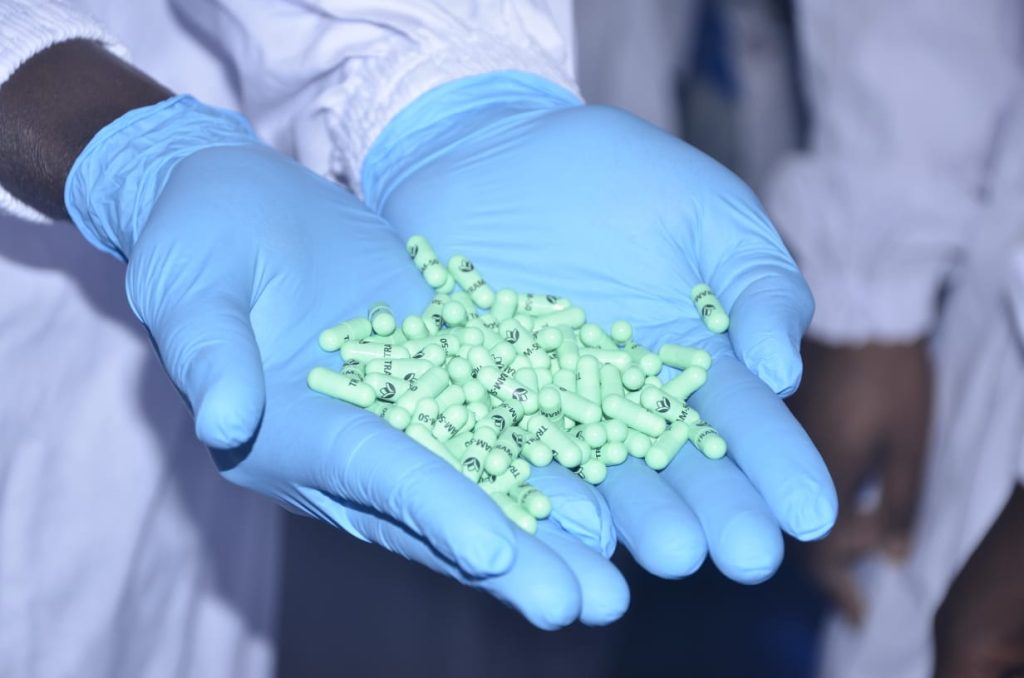
The company is currently producing medicines for trauma care, severe bleeding, infections, and chronic conditions such as sickle cell disease.
Magoola pointed to products like tranexamic acid and hydroxyurea, noting that some of these are being manufactured locally for the first time in East Africa.
“We are manufacturing drugs for trauma, for severe pain, for cancer patients, and hydroxyurea for sickle cell patients,” he said.
He added that anti-malarial drugs, a critical need across the continent, are expected to enter the market within months. “We are going to be giving you anti-malarials in the next two months.”
Minister Barugahara, who toured the facility and interacted with staff, praised the project as a practical realization of Uganda’s industrial ambitions. Drawing on historical examples from global leaders, he framed industrialization as essential to national survival and economic independence.

“Industrialization is the backbone of transformation, turning a nation into a producer rather than a consumer,” he said.
He noted that the factory employs Ugandans from across the country, describing it as a unifying national project that provides opportunities to young people regardless of region.
Barugahara also identified the economic benefits, including value addition to agricultural products such as cassava and matooke, which can now be processed into pharmaceutical inputs instead of being sold in raw form.
“This is how we become a sovereign nation, a nation that can survive on its own,” he said.
He urged continued support for the project, emphasizing that long-term investments in industry are critical for stable economic growth, job creation, and resilience against global shocks that disrupt supply chains.
Both Barugahara and Magoola repeatedly returned to the theme of independence, arguing that true sovereignty requires the ability to produce essential goods locally, especially medicines that directly affect public health and national security.
If fully realized, Dei BioPharma’s ambitions could place Uganda among emerging global players in pharmaceutical manufacturing, reducing reliance on imports, strengthening Africa’s healthcare systems, and redefining the continent’s role in the global pharmaceutical value chain.
We need Salaries. 3 Months and counting, Nothing in Our Pockets.
NSSF remittances at Not Made.
Wooow