

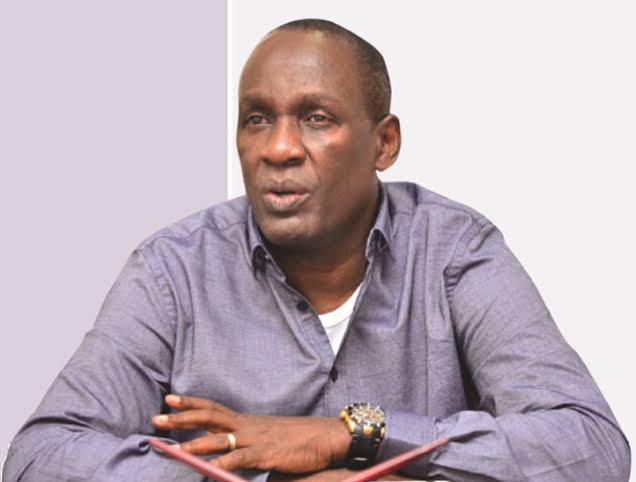
Former National Resistance Movement (NRM), Vice Chairman for Eastern Uganda, Captain Mike Mukula, has called on East African Community leaders to urgently intervene over growing concerns of xenophobia against foreign traders in parts of Kenya.
Mukula, while addressing the emerging tensions surrounding Kenya’s directive restricting foreigners from engaging in petty trade, appealed directly to Kenyan President William Ruto to ensure enforcement of the directive does not fuel hostility against fellow East Africans.
“President William Ruto, my brother and good friend Sir, the emerging signs of xenophobia against fellow East Africans in parts of urban Kenya are deeply concerning and inconsistent with the spirit of a modern, democratic and integrated East Africa,” Mukula said.
He said the East African Community framework is built around the free movement of people, goods, services and capital, arguing that any enforcement of immigration or business regulations should be conducted lawfully and humanely.
“Where individuals are found to be in violation of national immigration or other laws, enforcement should be orderly, lawful, humane and free from collective punishment or hostility towards any nationality,” he said.
Mukula urged the EAC leadership to engage Kenya, Burundi and other Partner States through established regional mechanisms to prevent the dispute from escalating into a wider diplomatic and regional crisis.
His comments come amid growing anxiety among foreign traders in Kenya following President Ruto’s directive requiring foreigners to withdraw from certain categories of petty trade, including hawking, vending and roadside food sales.
The directive, issued last Wednesday amid pressure from Kenyan traders’ associations, has triggered uncertainty among thousands of foreign nationals, particularly citizens of other EAC countries operating small businesses.
Images have also circulated showing groups of Burundians and Congolese at bus terminals, reportedly preparing to leave Kenya, while hundreds of Burundians reportedly gathered at their embassy in Nairobi to protest the directive. Some foreign traders, including Ugandans, have also reportedly closed their businesses amid fears of enforcement.
The Kenyan government has, however, sought to calm the situation, insisting that the directive is not intended to bar foreigners from conducting business in the country.
Cabinet Secretary for Investments, Trade and Industry Lee Kinyanjui said the government would enforce immigration, work permit and business licensing requirements while taking Kenya’s EAC obligations into account.
“The enforcement and implementation of the directive will comply with the law and will be conducted in an orderly and transparent manner, and also in the spirit of the East African Community,” Kinyanjui said.
Foreign Affairs Principal Secretary Korir Sing’oei also said President Ruto’s remarks had been taken out of context, stressing that foreigners with the necessary documentation remain legally protected to operate businesses in Kenya.
The government says its concerns are partly linked to an increase in the number of foreigners entering Kenya following the implementation of visa-free entry arrangements and the removal of Electronic Travel Authorisation requirements for citizens of most African countries.
Kenyan authorities have also cited cases where some visitors allegedly entered the country under tourist or investor status before engaging in activities outside the conditions of their immigration status.
For East Africans seeking to operate businesses in Kenya, authorities require them to regularise their stay and obtain the appropriate work and business documentation.
Mukula, however, warned that the manner in which such regulations are enforced matters for the future of regional integration.
He also called on the Burundian government to address the economic pressures driving some of its citizens to seek opportunities outside the country.
“At the same time, Burundi faces serious economic pressures that are pushing some of its citizens to seek opportunities elsewhere. I appeal to the Government of Burundi to intensify measures addressing these economic hardships,” he said.
Uganda has also been closely monitoring the situation. Trade Minister Sanjay Tanna recently met Ugandan traders at the Ugandan High Commission in Nairobi and pledged to engage his Kenyan counterpart over their concerns, while urging the traders to comply with Kenyan laws.
The controversy has reignited questions about the balance between national economic regulations and the EAC Common Market Protocol, particularly its commitments on free movement, establishment and non-discrimination.
Mukula said the region must resist actions that could deepen divisions among citizens of Partner States.
“Our region must choose cooperation over xenophobia, lawful enforcement over mob action, and economic integration over division. East Africans should never become strangers to one another in East Africa,” he said.