

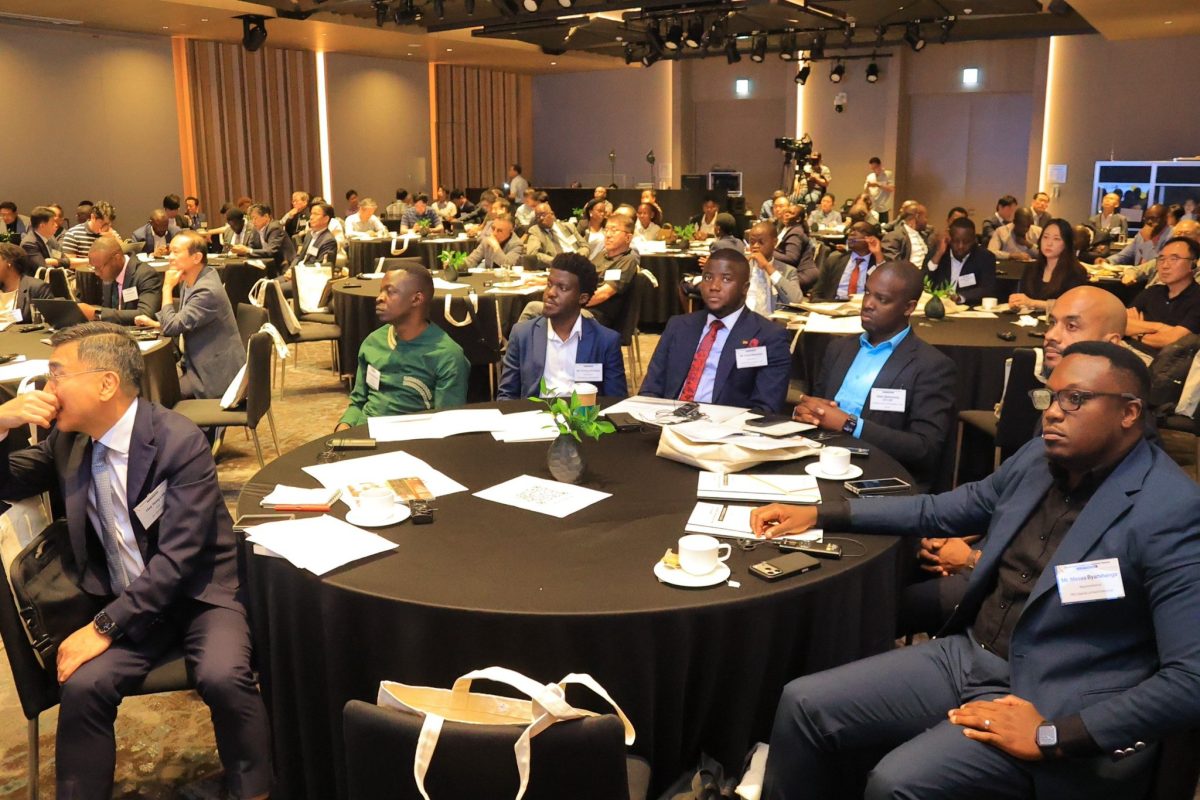
Uganda has stepped up efforts to attract South Korean capital, technology and expertise as Kampala seeks to position the country as a competitive manufacturing and agro-processing hub serving the wider African market.
The push is taking place during the Uganda–South Korea Trade and Investment Meeting in Seoul, running from September 6 to 10 under the theme “Boosting Trade and Investment Between Uganda and South Korea.”
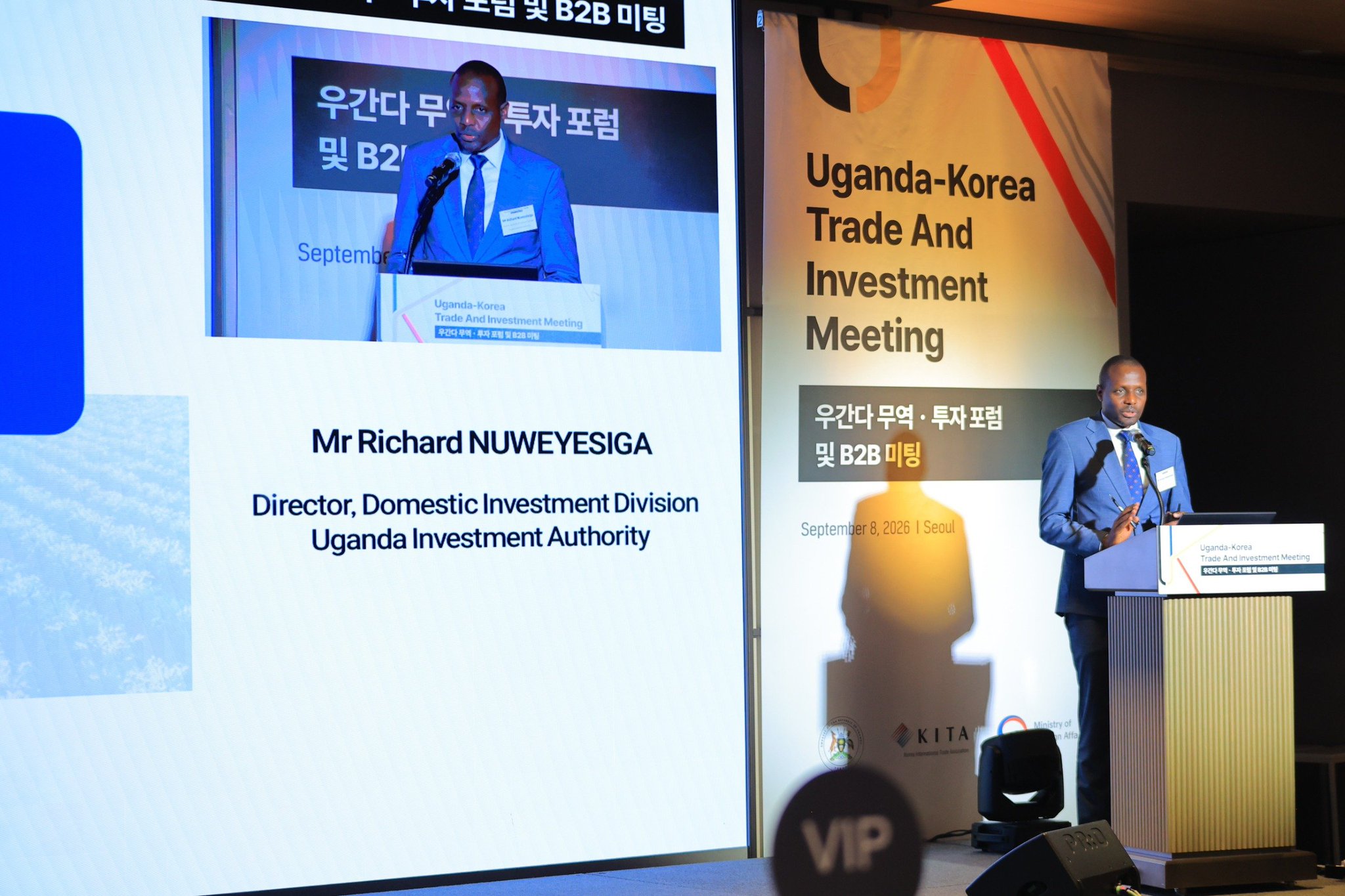
The engagement has brought together Ugandan government officials, the Uganda Investment Authority, the Korea International Trade Association (KITA), Korean government representatives and private-sector players.
Leading the Ugandan delegation, Second Deputy Prime Minister Dr Crispus Kiyonga urged Korean investors to explore opportunities in agro-processing, coffee value addition, manufacturing, technology and industrial development.
Kiyonga highlighted Uganda’s strategic position in East and Central Africa, with access to regional and continental markets through the East African Community (EAC), COMESA and the African Continental Free Trade Area (AfCFTA).
The government is particularly seeking partnerships that go beyond the export of raw materials to include technology transfer, local value addition, industrialisation and job creation.
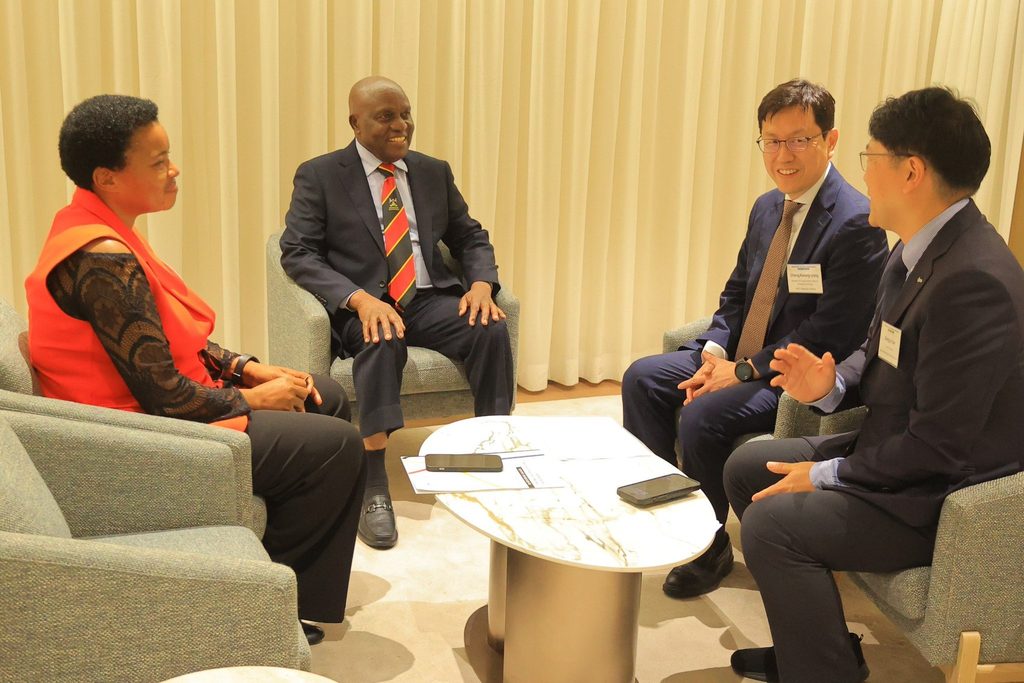
The investment drive has already produced a tangible outcome, with Ugandan coffee company Besmark Coffee Company Ltd signing a memorandum of understanding with South Korea’s GVCC Co. Ltd.
Under the agreement, Besmark will serve as Uganda’s exclusive coffee supply partner, while GVCC will distribute the coffee in South Korea.
An initial consignment of two 20-tonne containers, or about 40 tonnes, is already being shipped to Busan.
The partners also envision using Busan as a distribution and value-addition hub from which Ugandan coffee could reach other Asian markets, including Japan and Southeast Asia. Uganda is also seeking to increase domestic coffee processing so that more value is retained within the country.
The coffee deal comes as Uganda seeks to expand its footprint in Asia. According to Ugandan officials, the country exported only about $7.18 million worth of goods to South Korea in 2023, while imports from South Korea were significantly higher, underscoring the trade imbalance Kampala wants to address.
Beyond coffee, the Seoul meetings have featured business matchmaking in sectors including electronics, biotechnology and financial technology, while Uganda is promoting opportunities in tourism, minerals, energy, science and technology and manufacturing.
Uganda has also been courting its diaspora in South Korea, urging citizens living there to channel their capital, skills and technological expertise into productive investments back home.
This builds on the effort to deepen Uganda–Korea economic relations. In 2025, the Uganda Manufacturers Association signed an MoU with the Korea-Uganda Business Forum aimed at strengthening trade, investment and technology transfer, particularly by helping Ugandan manufacturers move toward higher-value exports rather than relying mainly on raw agricultural commodities.
South Korea has also been a development partner for Uganda, including through the Korean Economic Development Cooperation Fund, under a 2024–2028 framework that allows Uganda access to up to $500 million in EDCF financing for development projects.
Uganda now wants the commercial relationship to evolve from development cooperation and commodity trade into deeper private-sector investment, technology transfer and industrial partnerships.
With the Seoul engagements continuing through September 10, Kampala is hoping the talks will translate into concrete investments that expand Uganda’s manufacturing base, create employment and increase the volume and value of Ugandan products entering the Korean and wider Asian markets.