

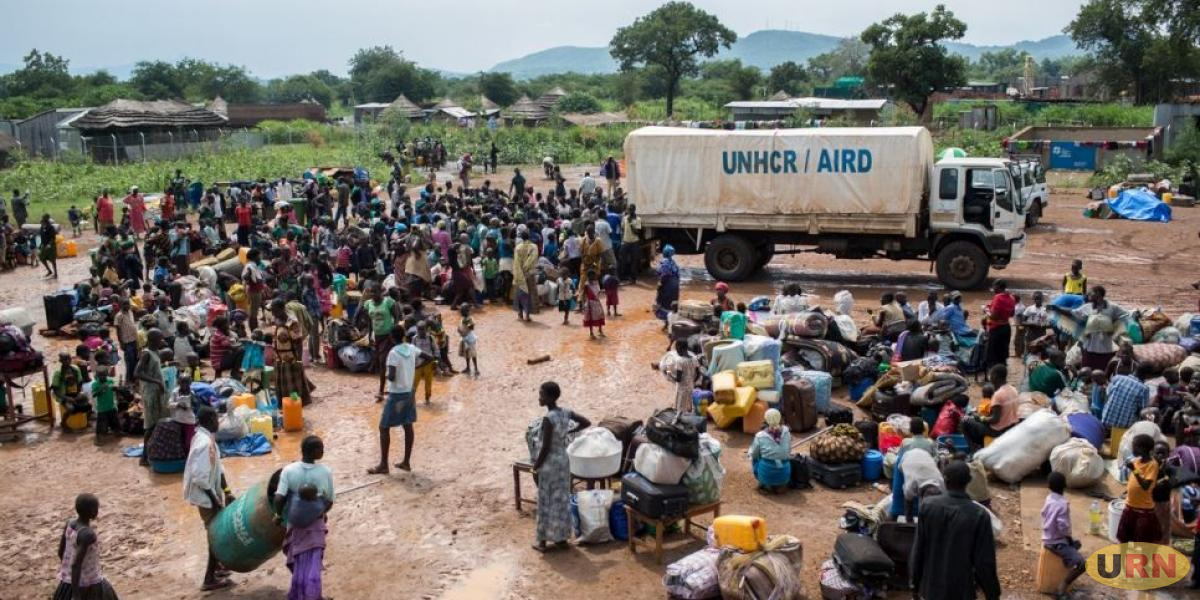
Refugees and asylum seekers in the West Nile sub-region have been urged to understand their rights and obligations under Ugandan law to promote peaceful coexistence with host communities and avoid conflicts with the authorities.
The call follows growing public concern over the need to sensitise refugees about Uganda’s laws and regulations, particularly after recent riots at Imvepi Refugee Settlement, which reportedly left people dead and destroyed property worth billions of shillings.
West Nile hosts more than 1.7 million refugees, predominantly from South Sudan and the Democratic Republic of the Congo (DRC), with others originating from Sudan, Somalia, Ethiopia, Eritrea, Rwanda and Burundi.
Most are settled in Yumbe, Koboko, Terego, Madi-Okollo, Obongi and Adjumani districts, while others live independently in urban centres, including Arua City and Koboko Municipality.
Francis Ayume, the Executive Director of Refugee Network-RedNet, an umbrella organisation representing urban refugees in Arua City and the wider West Nile region, said many refugees were unfamiliar with their rights and responsibilities, leaving them vulnerable to violations of Ugandan law.
Ayume said refugees are entitled to documentation, including refugee identity documents and asylum seeker certificates, as well as fair treatment without discrimination and access to social services. He added that refugees are also entitled to open bank and mobile money accounts and obtain travel documents, subject to applicable legal requirements and national security considerations.
He said sustained awareness campaigns were necessary to help refugees understand the laws governing their stay in Uganda and their obligations towards the government and host communities.
Moses Batali, the chairperson of the South Sudanese Refugees Association in West Nile (SSURA), said refugees and asylum seekers are required to register with the Office of the Prime Minister (OPM), undergo security screening and report changes in their family circumstances.
These include marriages, divorces, births, deaths and other changes relevant to their registration and protection needs. Batali said refugees must also comply with Uganda’s laws, regulations and measures intended to maintain public order.
He cautioned refugees against engaging in activities that could threaten national security, undermine the public interest or disrupt public order. Those engaged in gainful employment are also required to pay taxes in accordance with the applicable laws.
“It’s important to undertake this kind of activity of reminding our people about what they are entitled to and not entitled to so that we minimise some of the challenges associated with lack of knowledge about the rights and obligations of refugees,” Batali said.
However, refugees living in urban areas have raised concerns about the cost of education, with some alleging that government and private schools charge them higher fees than Ugandan learners.
Some self-settled refugees, particularly those living in urban areas for educational purposes, argue that the fees place an additional burden on families already facing economic difficulties and limit their children’s access to quality education.
They say the disparities risk disadvantaging refugee learners and undermining their efforts to pursue education and rebuild their lives in Uganda.