

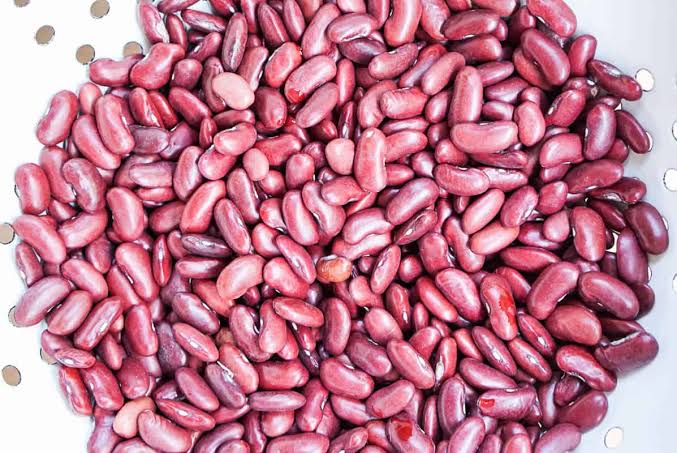
The Ministry of Agriculture, Animal Industry and Fisheries (MAAIF) has issued a food safety alert after rubber tree seeds than can be poisonous were found mixed with beans in markets in Agago District.
In a notice posted on its X account on October 24, 2026, under its communication on crop, animal and fish value chains, MAAIF has warned consumers that the seeds, scientifically known as Hevea brasiliensis, are not edible and could cause poisoning if eaten with beans.
Emmannuel Dic, an agricultural extension worker in charge of Omot and Arum sub-counties, raised the alarm after receiving complaints and reporting that the seeds had been found mixed with beans sold to residents.
Sunday Okot, the Arum Sub-county chairperson, told Uganda Radio Network that he had received the same alert and confirmed the presence of the seeds. He said the discovery had left residents worried about buying beans for their families.
“Locals are now afraid of buying beans for consumption,” Okot said. He said market inspections would be carried out in Omot and Arum sub-counties to establish whether more traders were selling beans mixed with the seeds.
Okot suspected that some retailers selling the affected produce could have come from neighbouring Lango sub-region, although the origin of the seeds had not been independently established.
Agago District Agricultural Officer Okidi Okello said he received reports about the seeds from Dic and confirmed that the district had been alerted to the problem.
Okello said the district would take steps to stop the sale of the suspected contaminated beans and urged residents who had bought them to report to the authorities.
“We appeal to those who have bought the seeds to come up so that their origin can be traced,” Okello said, expressing concern that households already struggling with food shortages could be exposed to dangerous food if the seeds were sold as ordinary beans.
Rubber tree seeds are not the same as edible beans. They may contain cyanogenic compounds that can release hydrogen cyanide under certain conditions. Depending on the amount consumed and the level of toxicity, exposure can cause vomiting, stomach pain, dizziness, headache and weakness. Severe poisoning can be life-threatening.
MAAIF says the seeds can be identified by their round, marble-like shape, shiny grey-white surface and dark brown or black spots and stripes. They may also have a small white mark where they were attached to the pod.
The ministry has advised consumers to spread beans on a flat tray or plate to remove unfamiliar seeds before cooking. Anyone finding suspicious seeds and cannot establish their identity should avoid eating the affected batch and seek advice from an agricultural extension worker or health facility.
People who suspect they have eaten the seeds and develop symptoms should seek urgent medical attention. They should carry a sample of the suspected seeds if possible.
Meanwhile, Pader District Agricultural Officer Seydou Opoka Adolatona said no similar case had been reported in Pader, but warned traders and consumers not to take the matter lightly.
Opoka said some traders could mix non-food items with edible produce to increase its weight and earn more money.“Such acts are uncalled for,” he said, urging traders to stop practices that could put consumers at risk.
Opoka said the seeds are locally known as “kodi coga” and advised residents to check their beans carefully before cooking.
“People should be cautious when sorting beans and other food items because these seeds are harmful when eaten,” he said. He added that Pader District planned to conduct unannounced inspections in markets to check the quality of goods being sold.
Although no similar case had been reported in Pader, Opoka said the district needed to remain alert to prevent the seeds from entering local markets.
MAAIF also calls on local council leaders, parish chiefs, village health teams, agricultural extension workers and market leaders to spread the warning. Traders have been urged to sort beans before selling them and avoid using sacks previously used to store rubber seeds or other non-food materials.