



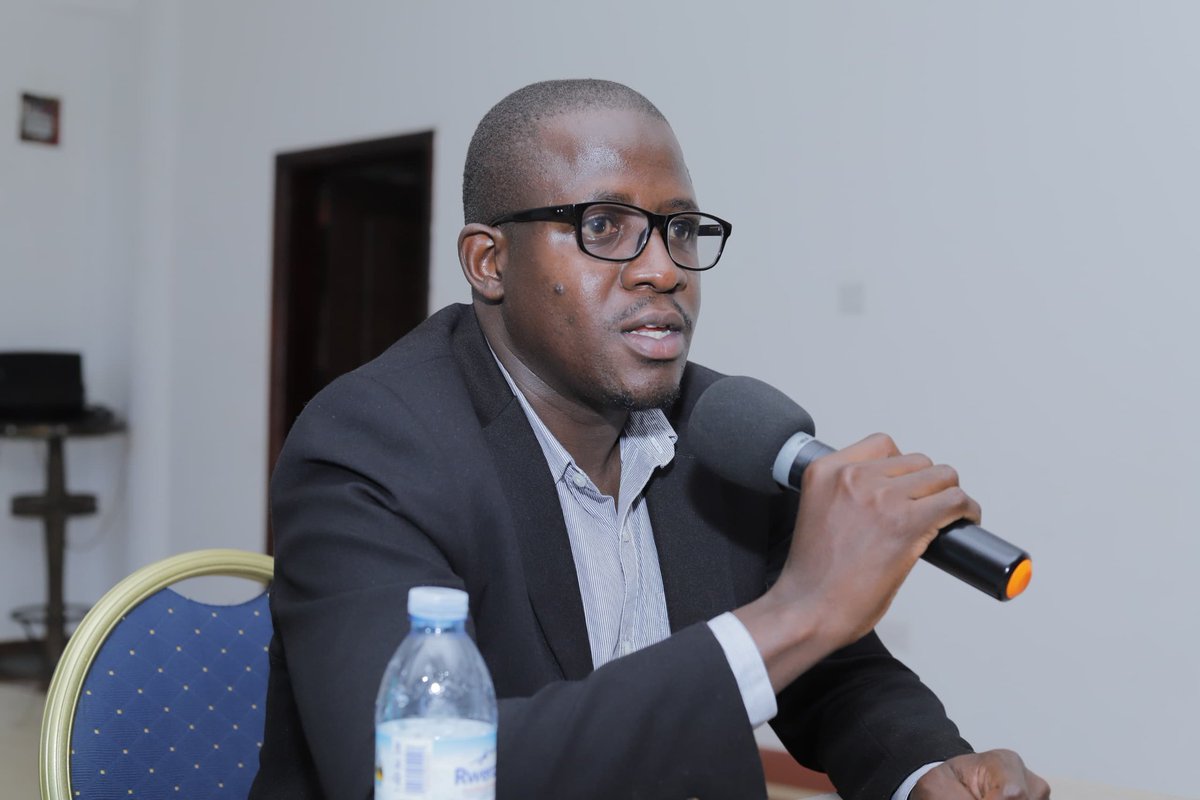
Maternal deaths linked to both safe and unsafe abortions are increasing in Mbarara, raising alarm among medics and post-abortion care practitioners. Prof. Rogers Kajabawangu, an obstetrician and gynecologist at Mbarara Regional Referral Hospital, revealed on Thursday that roughly three out of every ten women admitted to the gynecology ward are post-abortion or miscarriage cases, noting that Ankole has the highest reported number of abortion-related admissions in Uganda.
“The hospital does not perform safe abortions; we register patients who come to manage the complications of safe abortions. We also see quite a number of women who experience miscarriages,” he said during a media café on abortion organized by the Health Journalists Network in Uganda (HJNU) at Adit Motel. The event was themed: “Abortion and human rights in Uganda: balancing the right to life, women’s health and the law in Ankole sub-region.”
Kajabawangu noted that six out of ten maternal deaths in Uganda result from complications related to abortion and called for urgent measures to reduce the death rate. Complications from abortion rank fifth among the leading causes of maternal deaths in the country. “According to statistics, maternal death in Uganda is caused by excess bleeding, followed by hypertension, obstructed labour, infections, and then complications of abortions, which include bleeding, infections, and sometimes uterus removal,” he explained.
He stressed the need for greater sensitization to prevent unsafe abortions stemming from unwanted pregnancies. “Keeping girls in school, sexual and reproductive health education, promotion of family planning methods, and campaigns focusing not only on making abortion legal but also on reducing unwanted pregnancies in our areas are critical,” he said.
Kajabawangu also called for amendments to Section 142 of the Penal Code Act, which criminalizes abortion and carries a penalty of seven years imprisonment. However, he highlighted that the 2006 National Guidelines for Sexual and Reproductive Health recommend abortion under certain circumstances—including rape, defilement, severe illness, renal disease, hypertension, cervical cancer, and HIV—creating a conflict between policy and law.“
These guidelines recommend that a woman or a girl should be assisted to terminate the pregnancy. It’s a policy, not a law,” he said. Pleasure Nuwenshaba, a midwife and maternal health advocate at MRRH, emphasized the importance of post-abortion care, noting that women admitted after induced or spontaneous abortions often require emergency care.
“Spontaneous abortion means the pregnancy ends naturally, while induced abortion is intentional,” she explained. Nuwenshaba said that complications may include heavy bleeding, shock, retained products of conception, or infections that can damage the uterus if untreated. “Abortion is illegal in Uganda, but post-abortion care is very important to save lives. It is a right for every woman. We cannot deny that,” she added, noting that young girls, married women, and students often require care after abortions.
She acknowledged that official statistics are limited but stressed that many women in rural areas face life-threatening complications due to a lack of post-abortion services. The hospital has prioritized continuous training of health workers in post-abortion care. Grace Arinda Aboki, a feminist and abortion survivor, also advocated for safe and legal abortion to protect girls, especially university students. As a community mobilizer with Marie Stopes Uganda, she has spent the last decade connecting post-abortion clients with care services. She called for abortion legalization under the principle of “children by choice, not by chance.”
“Much as most people view abortion as a criminal offense or consider it murder, and religious leaders oppose it, I want the government to legalize it in Uganda,” Arinda said. The World Health Organization defines unsafe abortion as a procedure for terminating an unwanted pregnancy, either by people lacking the necessary skills or in an environment without minimum medical standards. URN