



Overview:
In a resolute closing, the government invoked Iran’s long history of resistance to foreign intervention, declaring that the nation “has never bowed to foreign aggression” and promising that any response would be firm enough to make the aggressors “regret their criminal act.”
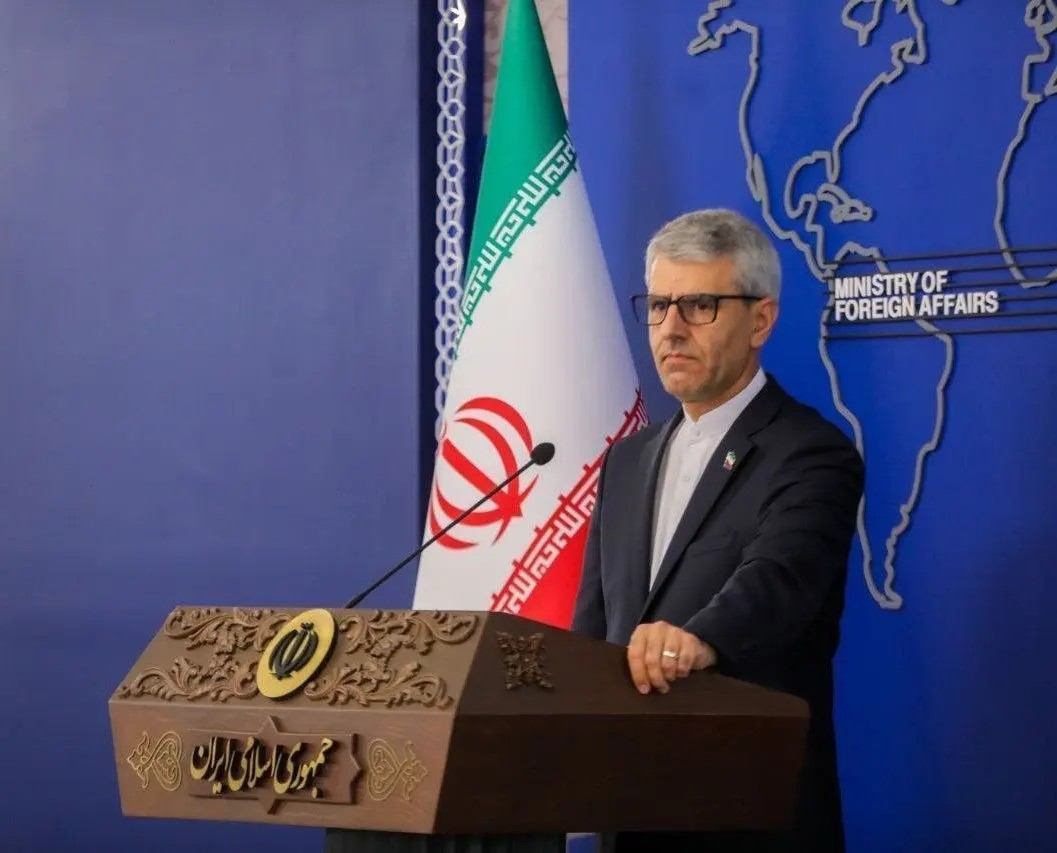
In a dramatic escalation of tensions in the Middle East, the Ministry of Foreign Affairs of the Islamic Republic of Iran has announced that the nation had come under what it described as “criminal military aggression” by the United States and the “Zionist regime,” a term used by Tehran to refer to Israel.
In a statement addressed to the Iranian people, issued on the eve of Nowruz—the Persian New Year—and during the holy month of Ramadan, Iranian officials said airstrikes targeted defensive infrastructure and civilian sites across multiple cities. The government called the attacks a “flagrant violation” of Iran’s territorial integrity and national sovereignty.
Tehran asserted that the strikes occurred while diplomatic discussions between Iran and the United States were still underway. According to the statement, Iranian authorities had re-entered negotiations despite anticipating possible military action, aiming to demonstrate to the international community that Iran had exhausted all peaceful avenues before hostilities resumed.
Framing the strikes as a breach of Article 2(4) of the United Nations Charter, which prohibits the use of force against the territorial integrity or political independence of any state, Iran also declared the attacks an act of armed aggression.
The statement further cited Article 51 of the Charter, asserting Iran’s right to self-defense, where Officials vowed that the country’s armed forces would respond “decisively” and utilize “all capabilities and resources” to repel what they described as hostile acts.
The Foreign Ministry also called upon the United Nations and its United Nations Security Council to take immediate action, urging the Secretary-General and Council members to address what it characterized as a serious breach of international peace and security. The statement appealed to UN member states—particularly regional and Islamic nations, as well as members of the Non-Aligned Movement—to condemn the strikes and take collective measures in response.
In a resolute closing, the government invoked Iran’s long history of resistance to foreign intervention, declaring that the nation “has never bowed to foreign aggression” and promising that any response would be firm enough to make the aggressors “regret their criminal act.”
As the region braces for potential retaliation, the statement also signaled a pivotal and perilous moment, raising fears of broader conflict with far-reaching implications for regional and global stability.