

Overview:
Reducing government borrowing can free up credit for businesses, which currently face high interest rates of 19–21 percent. Many banks prefer lending to the government because it is safer and offers attractive returns, leaving less capital available for private enterprises.
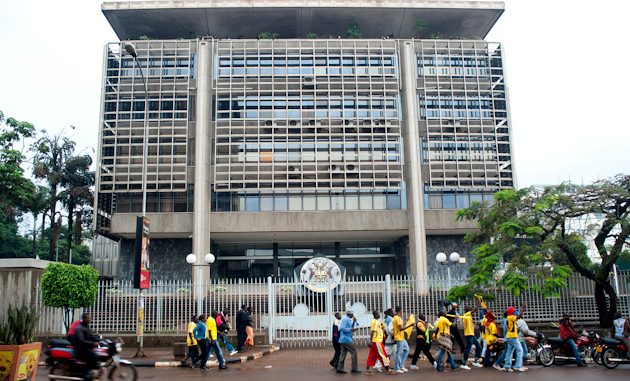
Bank of Uganda Governor Michael Atingi-Ego says the government must manage borrowing carefully to avoid crowding out private businesses from the credit market.
Domestic borrowing is expected to fall from Shs 11.4 trillion to Shs 9 trillion, while external budget support is projected to drop sharply by 84 percent, from Shs 2.1 trillion to Shs 331 billion. Funding for external projects will also decline slightly, from Shs 11.3 trillion to Shs 10 trillion.
These measures are part of a broader fiscal consolidation and debt management strategy designed to reduce reliance on borrowing, improve Uganda’s creditworthiness, and limit arrears.
Some analysts and civil society groups worry that essential sectors, such as agriculture, could face lower allocations under the reduced budget. Atingi-Ego emphasized that the approach reflects the government’s commitment to medium-term fiscal stability.
“You can reduce the fiscal deficit either by cutting expenditure or increasing revenue. Lower deficits mean less borrowing is needed,” he said.
The Ministry of Finance, Planning, and Economic Development has proposed a budget of Shs 69 trillion for the 2026/27 financial year, down from Shs 72 trillion in the current year.
This comes as the government begins implementing its Fourth National Development Plan and the Tenfold Growth Strategy, which aims to grow Uganda’s economy to USD 500 billion by 2040.
The Permanent Secretary to the Treasury, Ramathan Ggoobi, says the reduction is a response to declining external financing. With fewer funds coming from abroad, the government plans to increase domestic revenue while reducing borrowing.
The Ministry of Finance is targeting Shs 40 trillion in domestic revenue next year, up from Shs 36.8 trillion this year. Measures include eliminating low-value tax incentives and using oil revenues expected from production starting around July.
Reducing government borrowing can free up credit for businesses, which currently face high interest rates of 19–21 percent. Many banks prefer lending to the government because it is safer and offers attractive returns, leaving less capital available for private enterprises.
Atingi-Ego stressed that the budget adjustment is not a sign of financial crisis, but a strategy to maintain economic stability, reduce debt accumulation, and prioritize spending. He also urged the judiciary to speed up business-related cases, noting that Shs 6 trillion is currently tied up in the commercial courts, which could otherwise boost private sector activity and economic growth.
****URN****