



Overview:
Mustafa Kikusa, the Chairperson of the District Disaster Management Committee and Principal Assistant to the Chief Administrative Officer (CAO), says clear procedures have been established for relaying early warning information to communities in the disaster-prone areas.
Kasese District authorities have intensified disaster preparedness efforts ahead of the March/April/May months that have been previously associated with heavy rains, floods, and mudslides.
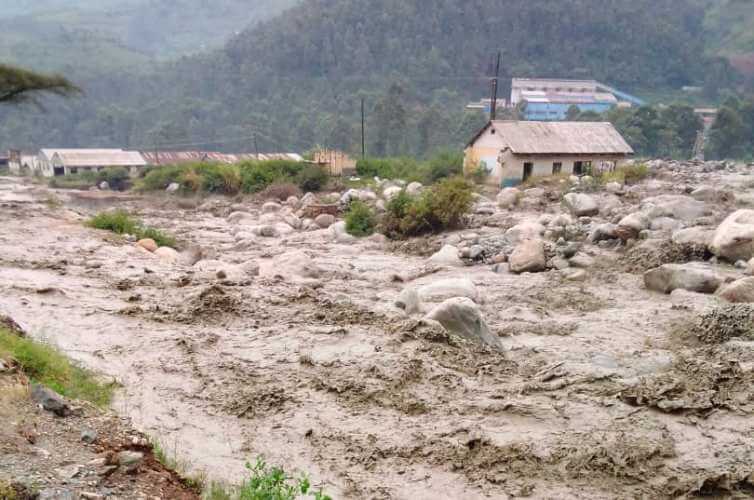
In the past years, major rivers such as Nyamwamba have burst their banks between March and May, causing severe flooding in Kasese Municipality and Karusandara Sub-county, while mudslides devastated mountainous areas in Kyarumba and Rukoki Sub-counties. Homes, crops, and infrastructure were destroyed, and lives were lost.
To reduce future loss of life and property, the district has put in place early warning systems to alert residents when danger is imminent.
Mustafa Kikusa, the Chairperson of the District Disaster Management Committee and Principal Assistant to the Chief Administrative Officer (CAO), says clear procedures have been established for relaying early warning information to communities in the disaster-prone areas.
Kikusa further appealed to local leaders to promptly submit assessment reports whenever calamities occur so that relief support can be mobilised early for affected households.
Local leaders across the district have begun engaging communities in disaster preparedness activities.
Gregory Makotsa, LC III chairperson of Bwera Sub-county, said they have planted trees alongside rivers as a measure to control flooding.
He adds that the early warning systems can enable communities to respond to calamities in time.
Recent research conducted between 2023 and 2024 by Makerere University School of Public Health found that communities in Kasese rely on both scientific and indigenous knowledge to predict and respond to river flooding.
Dr. Justin Namakula, from Makerere University School of Public Health, who was involved in the study, emphasized that combining these two forms of knowledge is crucial for effective preparedness and community response.
Namakula added that the involvement of local leaders and community members in collecting and sharing information greatly strengthens early warning and response efforts.
She is urging residents in flood- and landslide-prone areas to heed warnings, cooperate with local leaders, and take early action to safeguard their lives and property.
****URN****