

Overview:
UNEB feedback indicates that some schools attribute the delays to poor internet connectivity and a shortage of ICT personnel. Odongo, however, expressed concern that even some well-established schools had missing CA scores for certain subjects as submission deadlines approached.
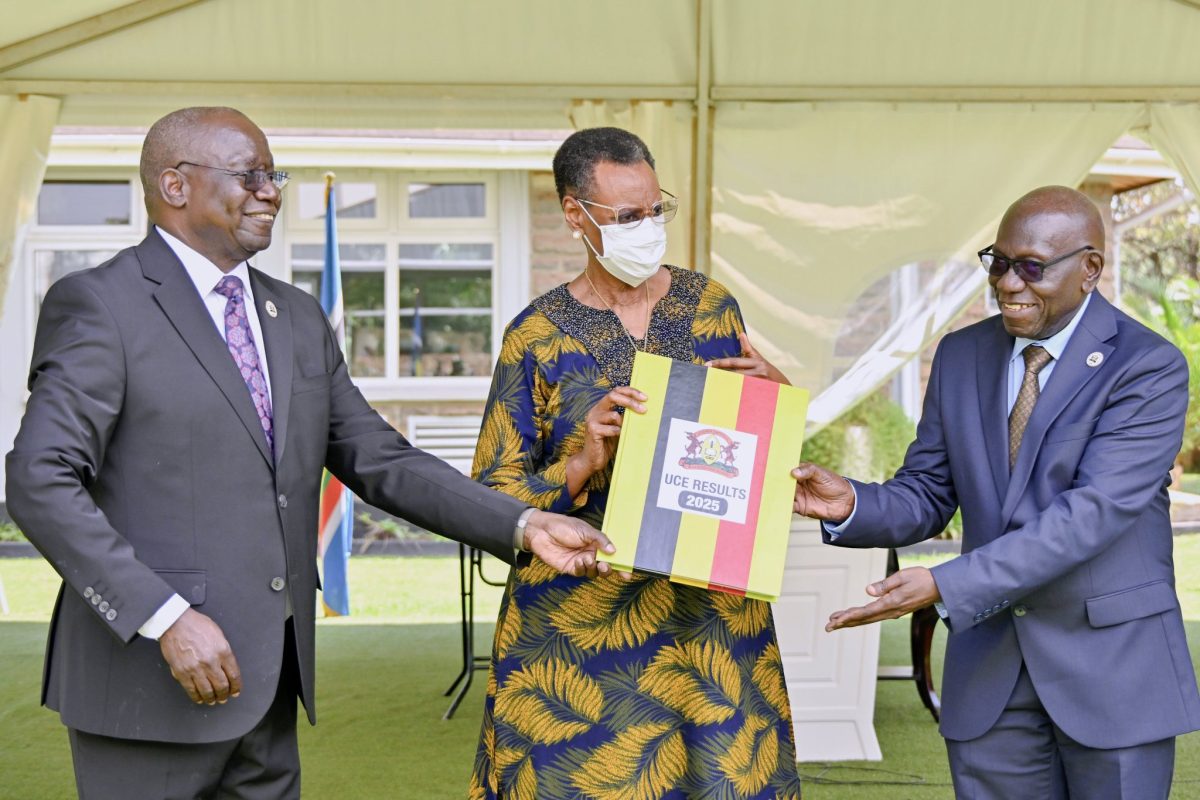
A total of 1,191 candidates who sat the 2025 Uganda Certificate of Education (UCE) examinations will not receive their certificates, effectively blocking their progression to higher levels of education, the Uganda National Examinations Board (UNEB) has revealed.
The affected candidates, representing 0.28 per cent of the total candidature, were issued “Result 2” on their transcripts. This classification indicates that they did not meet all the requirements necessary for grading. UNEB attributed the outcome mainly to missing Continuous Assessment (CA) scores, absent project work marks, or candidates having sat for fewer subjects than required.
Speaking to our reporter on the sidelines of the release of the examination results, UNEB Executive Director Dan Odongo noted that the majority of affected learners lacked CA scores. “Most of these learners with Result Two had no CA results, yet we have consistently called on schools to submit them. We have written reminders, and it is disturbing that such a significant number of candidates have ended up being affected,” Odongo said.
Under the new lower secondary Competency-Based Curriculum (CBC), Continuous Assessment contributes 20 per cent to the final subject score, while the end-of-cycle examination accounts for the remaining 80 per cent. UNEB emphasised that even candidates who perform well in the final examination cannot be graded in a subject if the Continuous Assessment component is missing.
UNEB Chairperson Prof. Celestino Obua observed that delays by schools in transmitting Continuous Assessment scores remain a persistent challenge. He noted that some institutions submit scores months after the deadline, exposing learners to the risk of not being graded. He adds that the board will apply appropriate sanctions to such schools.
UNEB feedback indicates that some schools attribute the delays to poor internet connectivity and a shortage of ICT personnel. Odongo, however, expressed concern that even some well-established schools had missing CA scores for certain subjects as submission deadlines approached.
Odongo added that most cases involve schools without UNEB examination centres, which are required to transmit CA scores through host institutions where their candidates sit examinations. To address this, UNEB has issued unique identifiers to such schools to improve tracking and accountability.
As a way forward, Odongo said the board has allocated a budget and plans to work with the National Curriculum Development Centre (NCDC) and the Directorate of Education Standards (DES) to strengthen monitoring of Continuous Assessment implementation.
Beyond delays in submission, UNEB officials also raised concerns about falsification of Continuous Assessment scores. Findings from a UNEB study revealed that in some schools lacking computers, teachers recorded inaccurate or estimated scores for certain subjects.
Responding to the findings, Prof. Obua said UNEB will intensify nationwide monitoring and verification of Continuous Assessment processes to ensure schools comply with board guidelines and submit credible scores.
****URN****