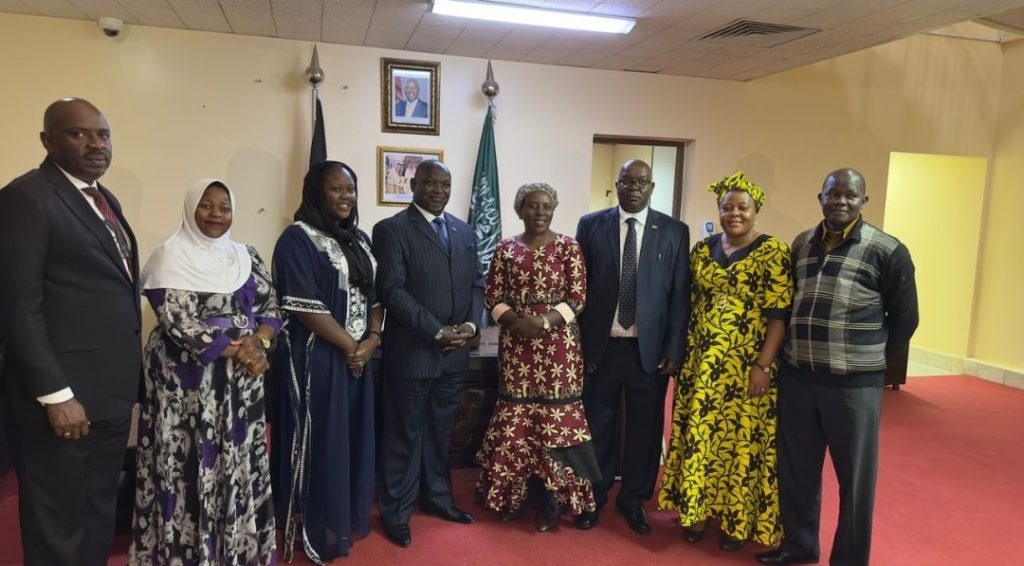


Nakaseke District Woman MP, Sarah Najjuma is part of the delegation of Ugandan members of parliament who travelled to Saudi Arabia as one way of improving the working conditions of Ugandans abroad.
The MPs constitute the Committee on Gender, Labour and Social Development, whose Chairperson, Najjuma deputizes.
Ugandan Migrant workers particularly in the middle east have for long decried often experiencing marginalization, xenophobia, and poor living and working conditions. In serious cases, they suffer exploitation, expulsion, and risk to life. This is rampant in Kuwait, Saudi Arabia, Qatar, Oman, and United Arab Emirates (UAE).
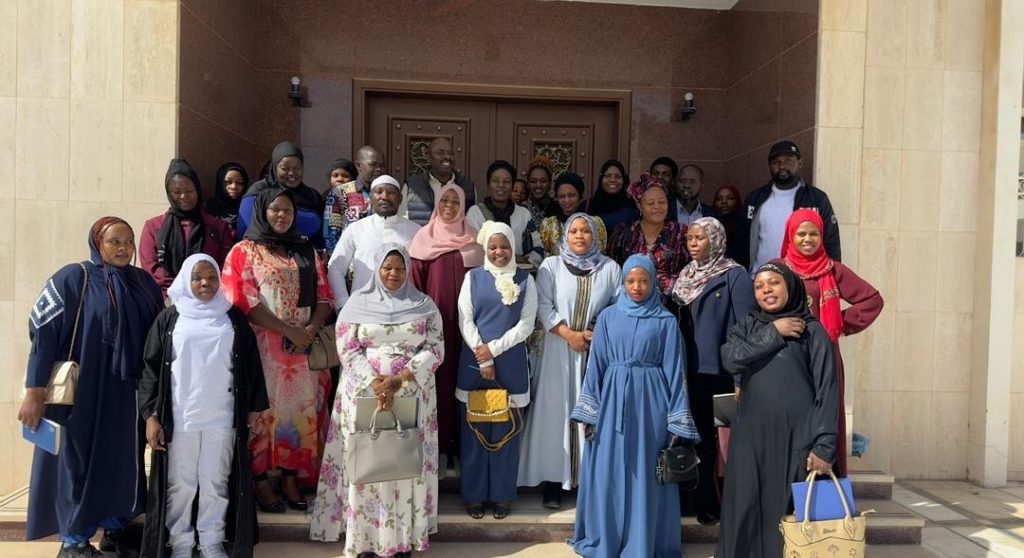
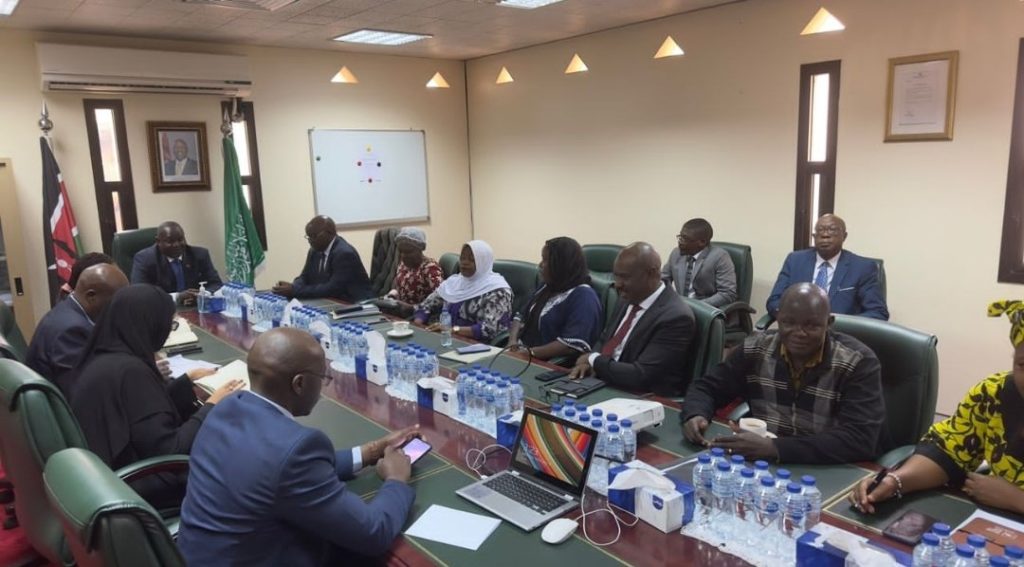
It is behind this background that Najjuma and other lawmakers travelled to the Kingdom of Saudi Arabia with an intention of engaging with both the Ugandan migrant workers as well as the authorities on the best practices in protecting the Former’s rights.
While in Saudi Arabia, the MPs also interacted with officials of Kenyan and Philippine Embassies.
In an interview with Najjuma who objected to delve into details of their findings, she said: “What I can only say now is that we need to review and strengthen frameworks for addressing issues on labour migration to streamline the migration of domestic workers, and managing cases of abuse and violation of the rights of migrant domestic workers.”
Many returning domestic workers report that their migration experience in the destination countries did not match the promises that were made by their recruiters and their own expectations.


In fact, some were not allowed to negotiate their own wages and others reported that upon arrival, their passports were seized by their employers.
The overwhelming majority say they were employed by families, either directly or through recruitment agencies, rather than by companies.
While persons recruited by a company to work for a manager at home are more likely to be covered by written contracts, family recruitments are mostly based on informal verbal agreements with the intermediary or broker.

The informality that is inherent in such relations can allow for abuse of migrant workers’ rights and weakens workers’ ability to seek formal redress.
For domestic workers who were placed with families directly, the main source of redress is through the recruitment agent.
However, families have also been reported to retain contact details for agents and could decide not to share them with domestic workers.
A significant percentage of returning domestic workers report that they suffered various forms of abuse during their period of employment in the Middle East.