

The International Energy Agency’s Electricity 2026 report, released today, forecasts that the share of renewables and nuclear in the world’s power mix will rise to 50% by 2030, with natural gas also growing to help meet surging electricity demand.
According to the new IEA report, global power demand is expected to grow by more than 3.5% per year on average through the end of this decade as the “Age of Electricity” accelerates.
This growth is driven by expanding industrial electrification, the uptake of electric vehicles, greater use of cooling, and the spread of digital technologies.
It provides in-depth analysis of recent trends and policy developments, and includes forecasts for electricity demand, supply, and carbon dioxide (CO₂) emissions over the five years through 2030.
According to the report, electricity demand is on course to grow at least 2.5 times as fast as overall energy demand through 2030 as the Age of Electricity takes hold. Globally, renewables, buoyed by record solar PV deployment, are closing in on coal generation, and nuclear output has hit new highs.
Together, renewables and nuclear are projected to provide half of all electricity by 2030, up from roughly 42% today.
While the IEA report focuses primarily on global trends, recent IEA analysis highlights persistent challenges and opportunities in Africa and East Africa. In the greater Horn of Africa (including Uganda and Kenya), energy consumption has grown by about 3% per year over the last decade, but half the population still lacks access to electricity, and only one in six people cooks with modern fuels.
Countries such as Kenya and Ethiopia have led progress in expanding access, mainly through solar home systems and mini-grids, with Uganda also identified as a frontrunner for decentralized electrification solutions.
Despite growth, the region faces ongoing infrastructure and investment constraints that could hinder economic potential if not addressed with supportive policies and expanded financing.
For Uganda, where electrification and renewable development remain national priorities, the global shifts toward renewables and modern grids present both opportunities and imperatives.
These include the need to expand renewable energy, which can help Uganda accelerate access and diversify its energy mix, building on hydropower and growing solar deployment. It calls for investment in grid expansion and flexibility to connect more households and industries to reliable power, consistent with the report’s call for a rapid expansion of grids worldwide.
Uganda may further need policies that enable mini-grid integration and improve regulatory frameworks to unlock projects and attract investment, resonating with recommendations in the IEA’s regional energy assessments.
“Electricity demand is growing strongly worldwide, and emerging economies remain key drivers of this increase,” said Keisuke Sadamori, IEA Director of Energy Markets and Security.
“Meeting this demand will require not just more generation, but **smarter grids, flexible systems, and policies that attract investment while protecting affordability and resilience.”
In the EAC region, coordinated planning and cross-border infrastructure, such as interconnections and shared grid capacity, will be critical to tap the full potential of renewable resources and ensure a stable supply.
This resonates with regional calls for expanded power interconnections and a shared market. The report finds that global electricity generation from renewables − boosted by record deployment of solar PV – is now in the process of overtaking generation from coal, after virtually drawing level with it in 2025 based on the latest available data.
Nuclear power output also rose to a new record. The momentum behind low-emissions sources of generation continues to 2030, by which time renewables and nuclear are together set to generate 50% of global electricity, up from 42% today.
Natural gas-fired output is also set to grow through 2030, supported by rising electricity demand in the United States and the continuing shift from oil to gas for power in the Middle East. Coal‑fired generation loses ground globally as renewables expand, returning to 2021 levels by the end of the decade.
As a result, global CO₂ emissions from electricity generation are expected to remain roughly flat between now and 2030.
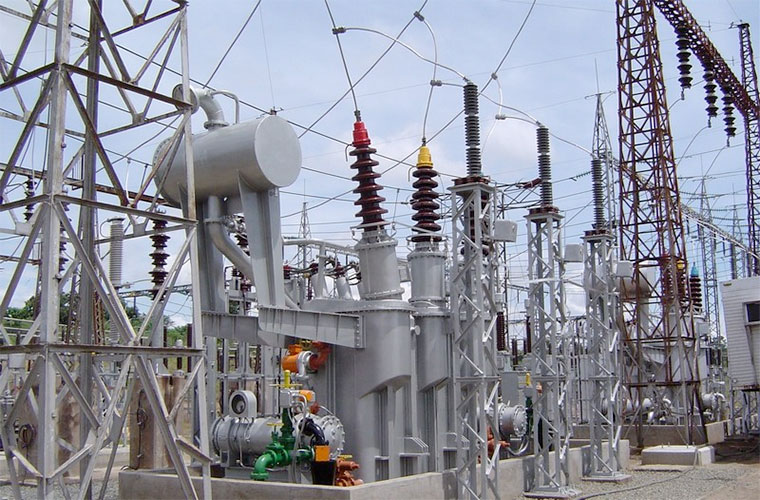
The report emphasises that these trends – growing demand, an increasingly weather-dependent mix of power generation sources, and evolving electricity consumption patterns and technologies – require a rapid and efficient expansion of both electricity grids and system flexibility.
Today, more than 2 500 gigawatts worth of projects – encompassing renewables, storage, and projects with large loads, such as data centres – are currently stalled in connection queues worldwide.
New analysis in the report finds that as the expansion of grids advances, deploying grid-enhancing technologies and implementing regulatory reforms that enable more flexible grid connections and usage could allow for the integration of up to 1 600 gigawatts of queued projects in the near term. Together, these measures would allow the grid to be used more efficiently and unlock substantial capacity.
Electricity 2026 also notes that the affordability of electricity remains a key and growing concern. Household electricity prices in many countries have risen faster than incomes since 2019. Elevated prices are also putting pressure on industries and businesses.
As a result, policymakers are focusing on policies, market designs, and regulations that deliver not just additional investment but also greater flexibility and efficiency across all parts of the power system, including demand, supply, and the use of infrastructure.
According to the report, greater efforts are needed to improve the security and resilience of power systems around the world, which face rising risks associated with ageing infrastructure, extreme weather events, cyberthreats and other emerging vulnerabilities.
Modernising how systems operate, as well as strengthening the physical protection of critical infrastructure, will be essential to countering these threats, the report emphasises.
***URN****