



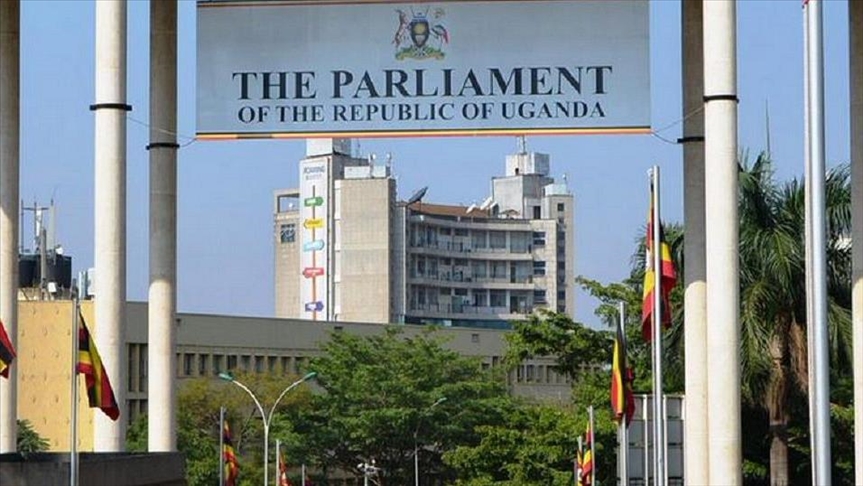
Parliament approved an additional UGX 8.1trillion in supplementary expenditure for the 2025/26 financial year.
The expenditure was approved after a heated debate in the House. Opposition MPS had warned of what they described as “runaway fiscal indiscipline” and the growing reliance on borrowing to fund government operations.
Shadow Finance Minister Ibrahim Ssemujju Nganda condemned what he described as an attempt to make supplementary budgets the new normal, arguing that long-standing expenditures, such as compensation for the oil palm project, road construction backlogs, and repeated allocations for Mbuya Military Hospital, cannot be treated as emergencies.
On Uganda Airlines, Ssemujju cautioned against repeating past mistakes, recalling the Bombardier aircraft procurement debacle, and demanded comprehensive due diligence reports covering sustainability, maintenance costs, and route viability.
Leader of the Opposition Joel Ssenyonyi questioned whether Parliament had met the one-third quorum required under Rule 25, noting that many MPs were away on campaign duties. He warned that decisions taken without a proper quorum could face legal challenges.
Minister Musasizi relied on Section 24 of the Public Finance Management Act, which caps supplementary spending at 3 per cent of the approved national budget unless Parliament authorises more. He argued that the government faced “unforeseen and unavoidable expenditure pressures” that justified the requests.
Despite these objections, the Shadow Cabinet’s recommendations, including freezing certain arrears until audited, demanding documentation from the Electoral Commission on new polling stations, and requiring detailed Uganda Airlines due diligence, were not adopted, and all three supplementary schedules were approved.
The approval followed a surprise amendment of the Order Paper by the Speaker, Anita Among, on Tuesday, 2 December 2025, to accommodate three supplementary schedules presented by State Minister for Finance Henry Musasizi.
Under Rule 153(2) of Parliament’s Rules of Procedure, supplementary requests must indicate their financing sources. The Budget Committee Chair, Patrick Isiagi, confirmed that this requirement was met during the presentation.
The new allocations inflate the national budget from 72.376 to 78.631 trillion shillings.
The first supplementary schedule of UGX 1.652 trillion primarily targets social programs and defence priorities.
It includes UGX 20.43 billion to clear verified seed supply arrears in Agago, Amuru, and Oyam districts under the Office of the President. The schedule also allocates UGX 300 billion to support youth mobilisation tours and the restructuring of the Youth Livelihood Fund under State House.
The Ministry of Defence is set to receive UGX 565 billion for classified operations, welfare, logistics, and special missions, while the Uganda National Oil Company is allocated UGX 81.6 billion to meet operational requirements.
Meanwhile, the Ministry of Agriculture has been granted UGX 103.48 billion to clear terminal benefits under RAPEX, purchase seven million hand-held hoes, acquire land, and compensate project-affected persons in Sango Bay for the Buvuma oil palm project.
The second schedule, amounting to UGX 1.696 trillion, largely targets stalled and delayed road infrastructure. Seven major road projects covering 395 kilometres, including Moroto–Lokitanyala and Najjanankumbi–Busabala, are listed for revival, alongside eleven delayed projects spanning 533 kilometres, such as Olwiyo–Pakwach and Kisubi–Nakawuka–Kasanje–Mpigi. Funding is also earmarked for nine bridge projects that had been constrained by prior financial shortfalls.
The largest of the three schedules, valued at UGX 4.756 trillion, addresses wage arrears and strategic investments. UGX 159.98 billion is allocated to staff transferred from the Office of the President’s Patriotism Department to the State House.
The Ministry of Defence requests a further UGX 305.4 billion for election-related security, medical equipment for Mbuya Military Hospital, welfare for new recruits, maintenance of military equipment, and limited barracks upgrades.
The Ministry of Justice and Constitutional Affairs seeks UGX 7.95 billion to revive the stalled Commission of Inquiry into the Apaa land dispute, while the Ministry of Finance requests UGX 42.03 billion, including refunds of ineligible World Bank expenditures under the Generating Growth Opportunities and Productivity for Women Enterprises – GROW Project.
The Ministry of Works seeks UGX 706.45 billion, largely for Uganda Airlines, including the purchase of two Boeing Dreamliners, a Boeing freighter, and two mid-range Airbus aircraft, as well as pre-delivery payments totalling USD 117.289 million. Additional allocations cover outstanding obligations for fuel supply and engine maintenance.
The Ministry of Tourism is requesting UGX 6 billion for Martyrs Day commemorations and tourism product development at the Namugongo Martyrs site. The Electoral Commission seeks UGX 469.5 billion for 2026 election preparations, including procurement of the Biometric Voter Verification system, ballot papers, declaration forms, and poll official payments.
The Auditor General’s 2023 audit report warned that supplementary budgets have “become wasteful and undermine planning.”
The report highlighted repeated upward revisions: the initial national budget of UGX 48.132 trillion grew to UGX 52.548 trillion, yet only UGX 43.404 trillion was spent, leaving UGX 5.822 trillion unutilized.
The report concluded that supplementary budgets were often unnecessary and submitted without consultation with programme secretariats, undermining the programme-based budgeting approach and distorting planning, implementation, and reporting.
As of the end of June 2025, Uganda’s total public debt stood at UGX 116.2 trillion (US$32.3 billion), representing a 26.2% increase from the previous year.
Domestic debt accounted for UGX 60.3 trillion and external debt UGX 55.9 trillion, with a debt-to-GDP ratio of 51.3%. Analysts warn that rising borrowing, combined with under-utilised supplementary allocations, reduces fiscal space for development, increases debt servicing costs, and heightens long-term sustainability risks.
The Auditor General’s red flags and the opposition’s warnings underscore a broader concern: frequent supplementary budgets and escalating debt could undermine fiscal discipline, governance, and public trust. Mismanaged borrowing and repeated supplementary allocations risk diverting resources away from development priorities, leaving the government with limited flexibility to respond to urgent national needs.
Uganda’s total public debt has soared to UGX 116 trillion, raising questions about the burden it places on citizens. With a population of roughly 45 million, this translates to a theoretical debt of about UGX 2.58 million per person.
***URN***