

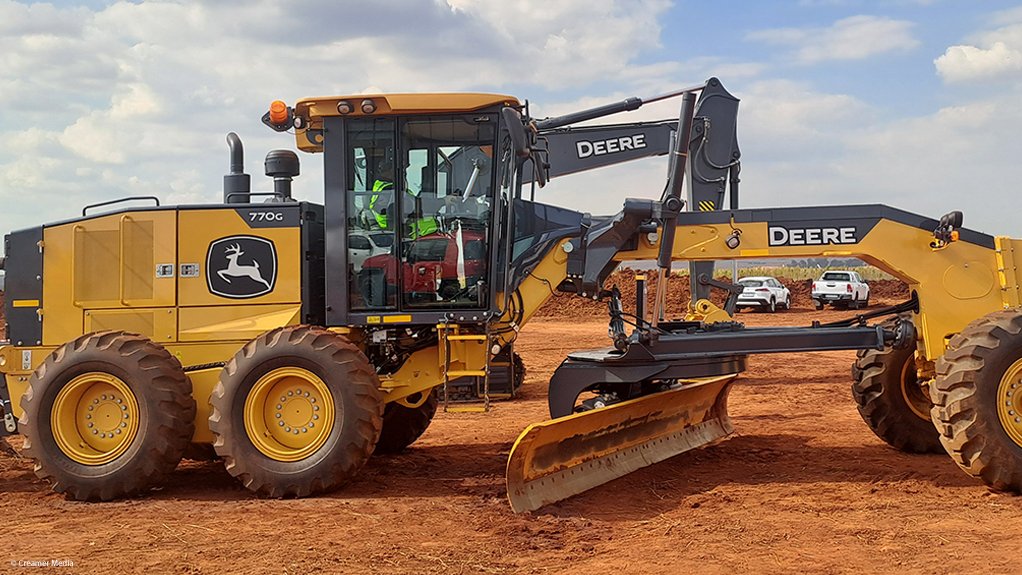
The Ministry of Works and Transport, in collaboration with the Otuke District Local Government, has commenced rehabilitation works on the Otuke–Abim Road.
The road forms part of the larger Lira–Alebtong–Abim gravel road network in Northern Uganda and is a critical transport corridor that is frequently affected by heavy rains, often becoming impassable and forcing travelers to take long detours.
In August, Otuke District was completely cut off from the rest of the country following torrential rains that caused River Moroto to overflow, submerging the Amon-maka and Apak bridges.
Two roads connecting Otuke to Lira and Alebtong districts were cut off as a result. Around the same period, two people lost their lives in Alebtong District after attempting to cross a bridge that had been washed away by floods.
Following numerous appeals and calls for support, residents of Otuke can now breathe a sigh of relief after rehabilitation works on the road began. The district leadership engaged the ministry’s regional office in Lira, which provided fuel to enable the use of district road equipment for the rehabilitation works.
Otuke District Chairperson Francis Abola said complaints about the poor condition of the road had become overwhelming, prompting him to raise the matter with the Ministry of Works and Transport. He explained that he approached the ministry’s Lira branch to seek support.
Through this collaboration, the road has since been reopened for use. Despite the progress, residents continue to raise concerns about the long-term maintenance of the road.
Daniel Obong, a resident of Olilim Town Council, commended the efforts of the district leadership but questioned why the road, which is under central government management, is not properly maintained.
Francis Okello, a resident of Acan-pii in Ogwete Sub-county, expressed happiness that travel has improved compared to the previous two months, when journeys could take weeks before reaching their final destinations due to road closures.
Okello added that the central government, as a major institution, should ensure that national roads are well-maintained at all times. He expressed disappointment with the current state of road infrastructure in the region and appealed for improvements, especially during the dry season.
During recent presidential campaigns in the region, President Yoweri Kaguta Museveni acknowledged the poor condition of roads in Northern Uganda, partly attributing the situation to lapses within the Ministry of Works and Transport.
He promised that once oil exports commence, the Lira–Alebtong–Abim–Kotido road would be upgraded to tarmac.
In September, Members of Parliament also raised concerns over the devastating impact of floods on transport infrastructure and livelihoods in various parts of the country, particularly in the districts of Abim, Alebtong, Amuria, Bukedea, Kapelebyong, and Otuke.
Leading the calls for remedial action was Speaker of Parliament Anita Annet Among, who personally experienced the poor road conditions while traveling to Otuke from Teso through Amuria.
****URN****