



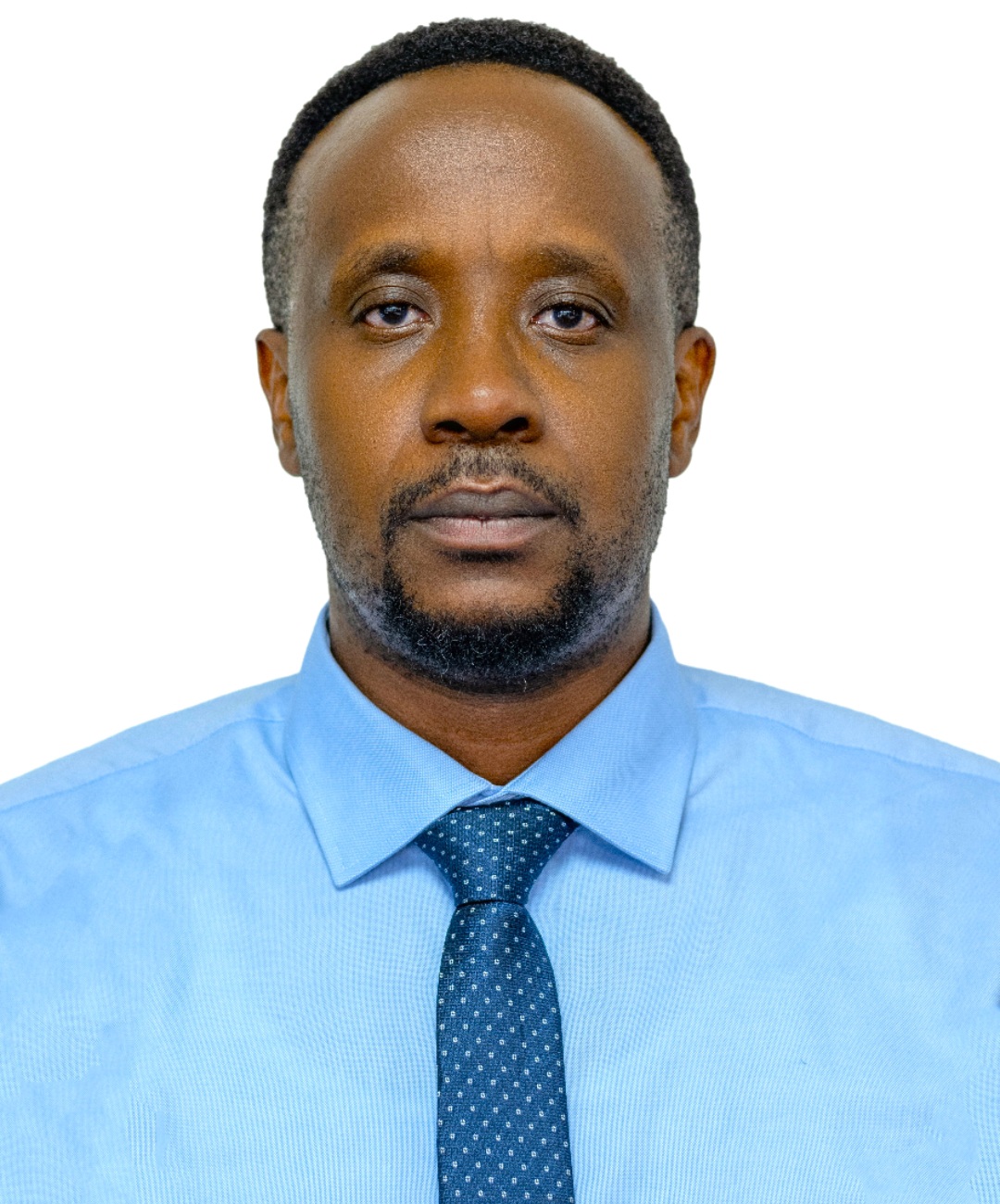
By Hosea Katamba
The recently concluded Mt. Rwenzori Marathon, now in its fifth year, presents a compelling case for what is possible even in the wake of the grim blow that the COVID-19 pandemic dealt Uganda’s fragile tourism sector.
The marathon attracted 8,000 runners from more than 42 countries, a 33 percent increase from the 6,000 runners drawn from 36 countries the previous year. The 8,000 figure excludes other tourists, service providers, entertainers and individuals who participated simply for the experience. This year, the marathon was certified as a World Athletics Label Road Race, earning it international recognition at the highest level of the sport.
In a country where tourism remains a key foreign exchange earner, contributing approximately 16 percent of Uganda’s total export revenues in 2025, there are lessons to be learnt about what can be done to grow this contribution. One of the hurdles Uganda faces in its pursuit of rapidly expanding the economy from US$50 billion in 2023 to US$500 billion by 2040 is how to diversify its tourism offering.
The National Development Plan IV, the first five-year operational blueprint for delivering the ten-fold growth ambition, identifies Uganda’s narrow tourism product range as a barrier to fully exploiting the sector’s potential. Tourism earned Uganda UGX5.8 trillion, equivalent to US$1.62 billion, in 2025.
To realise the ten-fold growth ambition, government has set ambitious targets, including increasing foreign exchange earnings from US$1.6 billion to US$10 billion, increasing tourists’ average length of stay from 7.6 nights in FY2023/24 to 14 nights, and increasing domestic tourism expenditure from UGX3.6 trillion in FY2023/24 to UGX7.3 trillion.
This is where the Rwenzori Marathon story becomes relevant. It offers a window into how the private sector and government can collaborate to innovatively expand what Destination Uganda can offer beyond wildlife and nature. The private sector can lead as the engine of product creation, investment and service quality, while government provides the enabling infrastructure and conducive environment.
Until the marathon was conceived, Kasese was predominantly known for Queen Elizabeth National Park, the Rwenzori Mountains, the Equator crossing at Kikorongo and other geographical features. Today, the marathon has created a weekend gateway that draws 8,000 runners to Kasese. But what they do on their way to Kasese, while there and on their return journey is of even greater economic significance.
For example, a survey focusing on one of the organisations whose staff travelled to Kasese for this year’s race found that individual expenditure ranged from UGX400,000 to UGX5 million, depending on the mode of transport and the number of people travelling together.
Using a conservative estimate of UGX500,000 as the average spend, the 8,000 runners would have injected at least UGX4 billion into the local economy, money that otherwise might not have been spent there. This expenditure went towards accommodation, fuel, meals, entertainment, shopping and roadside food, among other things.
Beyond individual spending, entities such as Uganda Development Bank provided financial support to the marathon as part of efforts to sustain the product. This points to the synergies that can be unlocked when the private sector takes the lead. It also aligns with one of the Bank’s mandates to enhance Uganda’s attractiveness as a preferred tourism destination by diversifying tourism opportunities and promoting experiential tourism.
Trends in global tourism indicate that, unlike in the past when travellers picked a destination first and chose what to do upon arrival, today’s travellers increasingly choose destinations based on specific activities and experiences. Experiences have therefore moved closer to the centre of travel decisions.
A 2023 report by the Mastercard Economics Institute on tourism trends found that consumer spending on experiences had increased by 65 percent from 2019. Potentially influenced by social media and entertainment, travellers are increasingly visiting lesser-known destinations in search of cultural immersion. The COVID-19 pandemic, during which shutdowns disrupted travel, restaurant dining and ticketed events, also reminded consumers of the important role experiences play in a well-rounded life.
A sports tourism product such as the Rwenzori Marathon provides tourists with a dynamic way to experience Uganda’s attractions. We have already witnessed what other groupings, such as the Ntare League community, have done in this space by popularising the idea that people can travel in large numbers to Jinja, Mbarara, Fort Portal and even Kigali purely for sporting activities.
This begs the question. If each of Uganda’s regions, which are already uniquely endowed, created an innovative tourism activity inspired by the strategic significance of the Rwenzori Marathon, how much additional revenue could they generate?
Picture an annual festival hosted on one of the islands of Lake Bunyonyi. A multi-day event could combine dragon boat races, island-hopping canoe safaris, a giant water slide ending in the lake, campfire meals, sunrise birding and Batwa cultural experiences. An annual competitive dragon boat race specially curated for corporate entities could further drive participation among Uganda’s middle class.
In Karamoja, a tourism product could leverage the region’s peaks, including Mount Napak, Mount Moroto, Mount Morungole and Mount Kadam, to create a guided multi-day trek linking two or more of them. The trek could feature portable camps, porters drawn from local communities and a finishing certificate or medal. Visitors could also take part in bookable gravel-cycling routes, with stops for farm-to-table dining experiences in the wild and curated craft markets.
Development finance institutions such as UDB offer affordable and patient capital that is critical to developing tourism products, thereby amplifying tourism’s local economic impact through job creation, SME growth and multiplier spending across communities. As of 2025, services, which include tourism, constituted 17 percent of UDB’s portfolio.
Although international tourist arrivals increased by 19.7 percent to 1,642,215 visitors in 2025, surpassing pre-pandemic levels according to the Ministry of Tourism’s Statistical Abstract 2025, only 13 percent of these tourists visited Uganda for leisure and holidays, a marginal increase of 0.4 percentage points from 2024.
Positioning Uganda as a competitive destination, particularly for domestic travellers, will require a private sector that is willing to think beyond conventional tourism products.
The writer is Senior Investment Manager – Services at Uganda Development Bank.