

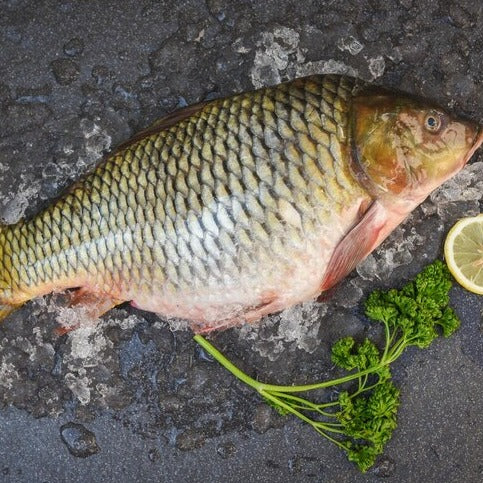
Preliminary laboratory tests have confirmed that the unusual injuries and deaths among aquatic life in the Agago River, spanning Agago and Pader districts, are caused by hemorrhagic septicemia, a viral or bacterial infection that affects fish and other aquatic animals.
The findings follow earlier reports of fish, frogs, and other species emerging from the river with blister-like lesions, foul odour, and abnormal behaviour, raising alarm among riverside communities.
Geoffrey Odokonyero, a fisheries expert and veterinary doctor who conducted the tests, said the disease thrives in stagnant water with prolonged accumulation of waste. He identified the inactive Agora Dam as a likely source, citing long periods of stagnation and seasonal flooding that create conditions favourable for infection.
“Samples collected from Agago through Pader to Abim showed fish exhibiting blister-like rings, visible injuries, and strong, unpleasant odour,” Odokonyero explained. He noted that while the infection does not pose a direct risk to humans, residents should avoid consuming fish from the river until comprehensive testing is completed.
Odokonyero noted that the length of the Agago River makes local containment measures impractical and called for intervention by the Ministry of Agriculture, Animal Industry and Fisheries (MAAIF). He explained that mitigation products such as Aqua Safe cannot be applied effectively to such a large water body.
He also warned that migratory birds feeding on infected fish may have contributed to the spread of the disease. Residents previously reported that at least four fish species, tilapia, lungfish, sprat, and clarias, have been affected.
Fishermen described swollen tails, missing scales, and abnormal smell, while some aquatic animals were seen forcing themselves out of the water, a behaviour often linked to low oxygen levels or contamination. Fishing activities along the river, which support more than a thousand people, have been severely disrupted, sparking concerns over food security and livelihoods.
The Pader District Agricultural and Production Officer, Seydou Opoka Adolatona, confirmed that affected fish were collected and preserved for laboratory analysis. He added that the National Environment Management Authority (NEMA) has deployed a team to conduct further investigations, while district fisheries officers continue monitoring the river.
Earlier, Dr Gillian Mylrea of the World Organisation for Animal Health (WOAH) pointed to environmental contamination as the most likely cause and advised close collaboration with veterinary and environmental authorities.
Nighty Akello, a resident, said she fears feeding her children potentially contaminated fish, while fisherman Richard Ocan described seeing dead fish and others with severe scale loss.
Although some residents admitted to consuming affected fish without immediate illness, experts caution that delayed or cumulative health effects cannot be ruled out. Authorities say investigations are ongoing and continue to urge communities to avoid using the river for fishing, consumption, or domestic purposes until the situation is fully understood.
Preventive measures are now being considered to protect both the Agago River ecosystem and the communities that depend on it.
****URN****