

Overview:
In Hoima City, Kagadi, Kikuube, and Hoima districts, even on the second day, learner attendance remains very low, particularly in government-aided schools, according to education officials.
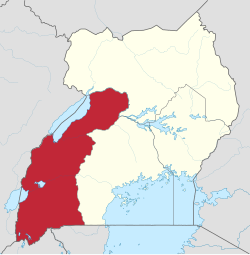
Education authorities in Bunyoro and Kasese sub-regions have expressed deep concern over low student turnout as schools reopened for the first term on Tuesday.
Parents cite rising living costs, school fees, and the expense of scholastic materials as key barriers, prompting schools to adopt flexible payment policies while urging timely attendance for effective learning.
In Hoima City, Kagadi, Kikuube, and Hoima districts, even on the second day, learner attendance remains very low, particularly in government-aided schools, according to education officials.
Inspections conducted by regional stakeholders indicate that nearly 50% of learners failed to appear on the first day of the 2026 academic year.
Officials say many parents did not send their children to school, citing a lack of school fees and scholastic materials.
Julius Alinda, Kagadi District Inspector of Schools, described this year’s turnout as among the lowest in recent years, stressing the need for urgent action by both parents and the government.
At Kagadi Secondary School, which has an enrollment of 3,000 students, only 50% reported on the first day, while at Good Hope Foundation School in Muhorro Town Council, only 40% of learners were present on the second day, according to staff.
In Hoima City, Johnson Kusiima Baingana, the City Principal Education Officer, said enrollment in most government-aided schools remained very low, noting a tendency among parents to delay sending children to school at the start of terms.
Edward Habasa, headteacher of Step by Step High School in Hoima, reported 50% attendance, while Central Secondary School recorded 59.3% attendance by Wednesday morning.
In Kikuube, District Education Officer Deogratious Byakagaba urged parents to send children to school, with RDC Godwin Angalia warning that punitive measures could be taken against defiant parents.
Meanwhile, in Kasese district, schools reopened amid ongoing financial hardships faced by parents.
Many schools relaxed fee policies, allowing learners to start classes without paying full fees upfront, providing parents a window of one week to one month to clear at least half of the fees.
School administrators said the flexibility is necessary due to the rising cost of living, which has made it difficult for many families to meet financial requirements.
In Kasese town, parents thronged uniform and bookshops, struggling to purchase the increasing number of required materials. Ramulah Nakachwa, Director of Nyakasanga Infant Primary School, said her office has been busy since Monday with parents requesting more time to pay fees, which affects schools’ ability to meet operational costs such as water, electricity, and student meals.
Hamidar Masereka, Headteacher of Nadir Preparatory School, reported that some learners were allowed to start the term without paying a single shilling, with two weeks to settle at least half of the fees.
Living Thembo, deputy headteacher at Ruwenzori Valley School, added that some learners arrived without sufficient scholastic materials despite the extended reopening period.
Parents also spoke out. Edina Kabugho said it has been difficult to raise basic requirements for her daughter, while Sadick Bwambale noted he had to take a school-fee loan to pay half the fees for his three children.
Education stakeholders in both regions have urged parents to ensure timely attendance so the curriculum can be delivered effectively, despite financial challenges.
*****URN****