



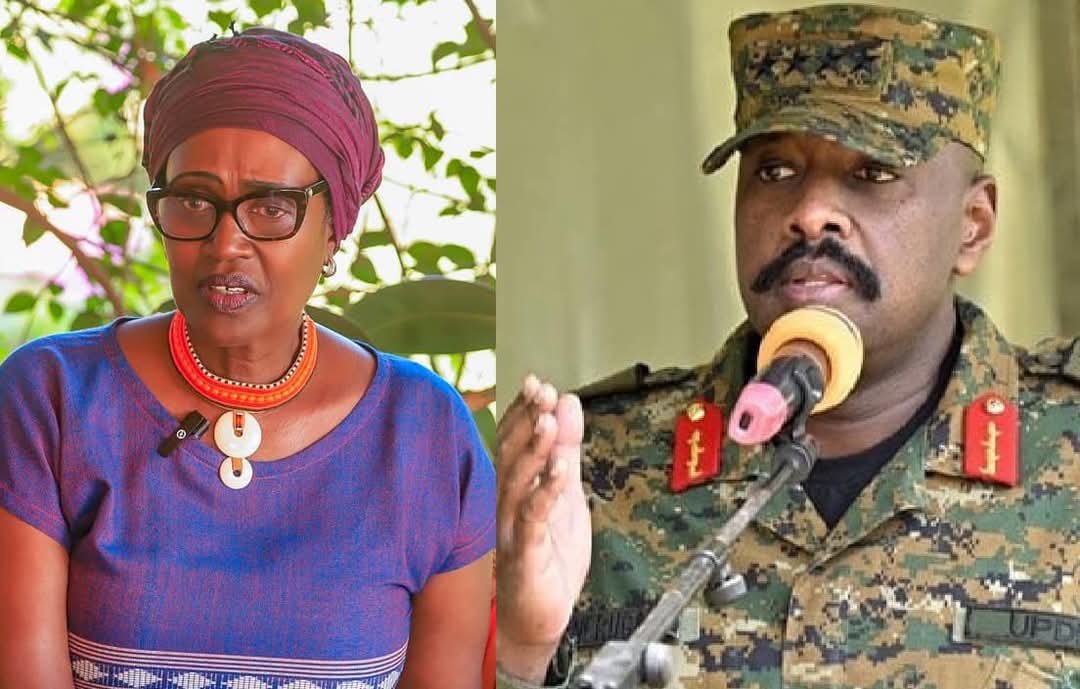
Winnie Byanyima, the wife to detained opposition figure, Kizza Besigye, has cited a recent United Nations investigation to accuse Uganda’s top military commander, Muhoozi Kainerugaba, of publicly boasting about military operations in South Sudan that allegedly harmed civilians.
In a post on X, Byanyima thanked the United States Senate Foreign Relations Committee for raising concerns about the report by the United Nations Commission on Human Rights in South Sudan, which said Ugandan forces may have supported aerial bombardments targeting areas populated by civilians during fighting between government troops and opposition forces.
“General Muhoozi Kainerugaba has himself publicly boasted about UPDF brutality against South Sudanese civilians cited in the UN report. There is no denial,” Byanyima wrote.
She further alleged that the Ugandan commander has repeatedly issued threats against political opponents and spoken about violence against civilians inside Uganda.
Byanyima referenced opposition leaders Kizza Besigye and Bobi Wine, saying Kainerugaba had previously issued public threats against them on social media.
“Ugandans, South Sudanese, and all the people of our region deserve peace and professional armies accountable to elected civilian governments,” she said, urging international partners not to ignore alleged human rights violations.
UN Findings
The comments follow the release of a report by the United Nations Commission on Human Rights in South Sudan alleging that Ugandan forces helped the government of Salva Kiir carry out airstrikes during fighting with forces loyal to opposition leader Riek Machar.
According to the report, aircraft involved in one attack in March 2025 dropped incendiary materials that ignited homes in civilian areas near Juba.
The commission cited flight-tracking data suggesting an aircraft involved in the bombing had flown in from Uganda and was operated by the Uganda People’s Defence Forces.
Ugandan authorities have previously denied participating in combat operations in South Sudan, saying the deployment of troops there is based on a bilateral security agreement with the government in Juba.
The Ugandan military has also rejected accusations that it used prohibited weapons or deliberately targeted civilians.
Uganda has historically intervened in South Sudan’s conflicts in support of the government of President Kiir, including during the 2013–2018 civil war.
Byanyima said governments in the region and international partners should demand accountability and professionalism within armed forces.
Her remarks add to growing scrutiny of Uganda’s military involvement in South Sudan as renewed fighting threatens the fragile 2018 peace agreement that ended the country’s civil war.