

The recent United Nations vote declaring the transatlantic slave trade “the gravest crime against humanity” marks a turning point in how the world confronts centuries of exploitation endured by Africa and its people.
Led by Ghana and backed by 123 nations, the resolution calls for reparations, including financial compensation, apologies, and the return of stolen cultural artifacts.
The refusal of the United States and a handful of other nations to support this move exposes once again how badly justice has been denied.
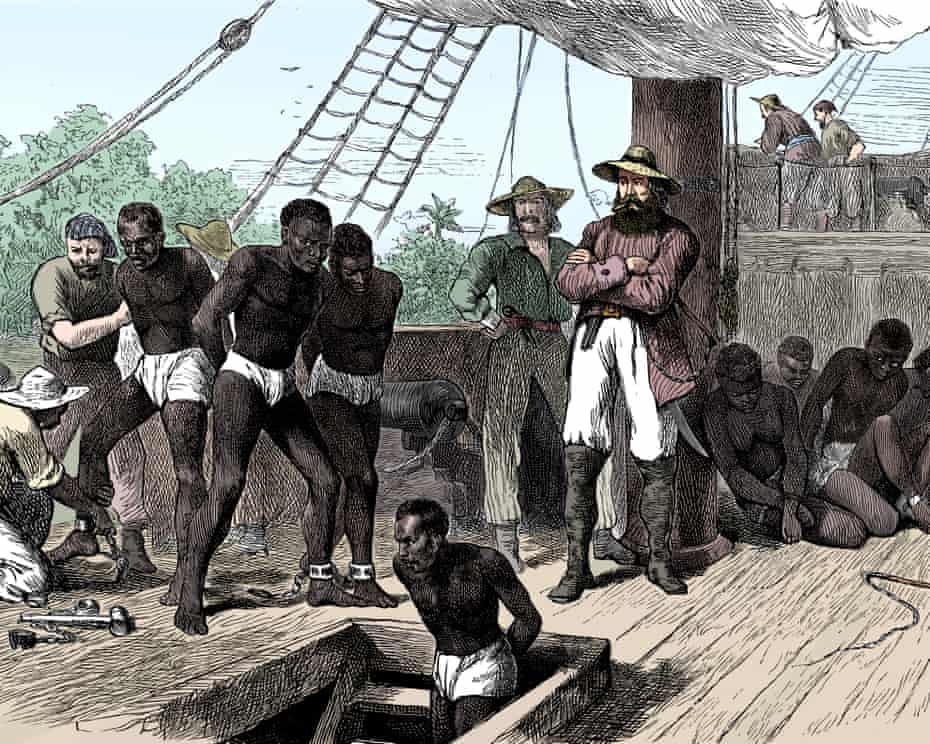
The scale of human suffering inflicted by the transatlantic slave trade was enormous.
Between the 15th and 19th centuries, about 12–12.5 million Africans were kidnapped from their homes and shipped into bondage across the Atlantic.
Families were torn apart; whole communities were emptied of their best‑aged people. These losses left deep demographic scars that reshaped the continent.
But the harms did not stop with the slave trade. Europe’s colonial rule over Africa restructured African economies to benefit foreign powers at the expense of local prosperity.
Colonial policies forced African societies to focus on exporting raw materials like cotton, minerals, and agricultural products, while indigenous industries, markets, and systems of education were sidelined.
The infrastructure that was built primarily served the needs of European resource extraction, not the communities living on the land.
The legacy of this exploitation still shapes Africa’s economy today. Colonial land policies often concentrated fertile land in the hands of settlers or corporations, creating patterns of unequal land ownership that persist.
Colonial administrations invested little in healthcare, education, or human capital development, leaving newly independent nations with weak systems to support growth and well‑being. These structural barriers have helped entrench poverty, widen inequality, and slow economic progress.
Scholars studying the long‑term effects of the slave trade have found that areas from which the most people were taken often remain among the poorest today.
When wealth and human resources were diverted toward the slave trade and colonial export systems, African economies lost vital human capital needed for local development, and social divisions were sharpened.
The economic harm and cultural loss cannot be understated. Precious cultural artifacts were looted and placed in museums far from their origins. Indigenous knowledge systems and languages were devalued and suppressed.
Borders drawn by colonial powers split ethnic groups and forced rival communities together, contributing to conflict after independence.
Yet despite this profound history of extraction and suffering, Africa has rarely been compensated for these losses.
Apologies and symbolic gestures have been offered sporadically, but no significant reparations have been made to African countries for the centuries of forced labor, resource theft, and systemic underdevelopment
Ghana’s leadership at the UN should be seen as a rallying call for a unified African demand for justice.
Reparation is not simply a payment—it is a serious recognition that Africa’s development was deliberately stunted to enrich others.
Former colonial powers must go beyond defensive arguments about legal liability and engage meaningfully with Africa’s claim. Europe and the United States must support concrete measures that address the material consequences of slavery and imperialism, including direct investment in African infrastructure, education systems, healthcare, and cultural restoration.
The UN resolution opens a door that cannot be shut again. Historical injustice becomes reparatory justice when it results in real, measurable commitments that help repair the damage done.
Africa deserves compensation that reflects the scale of its losses and the ongoing obstacles to equal participation in the global economy.
The responsibility lies with global powers to answer this call with honesty, accountability, and tangible action.