



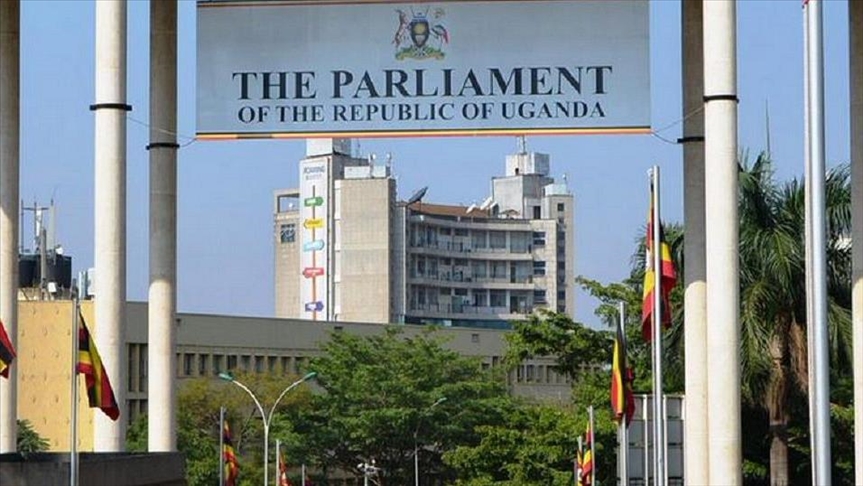
Overview:
The current hall, built in 1956 for just 88 MPs, has 559 legislators and 450 staff, forcing overflow seating and rented offices. Official composition confirms 353 constituency reps, 145 women, and specials totaling 555, far exceeding the colonial-era design.
Seven years after ground-breaking, Uganda’s ambitious new Parliament Chamber, that was meant to ease the squeeze on a legislature bursting with over 550 members, remains a half-built symbol of fiscal folly, mired in cost overruns, repeated extensions, and a controversial government bailout of contractor Roko Construction Ltd.
With the latest six-month ultimatum issued in February 2026 set to expire in August, critics are demanding accountability for what they call a “black hole” of public funds, while officials insist the project is vital for modern governance. The saga underscores broader concerns over public procurement in Uganda, where mega-projects often balloon in cost and timeline amid allegations of mismanagement.
With the conclusion of the 2026 elections, the incomplete chamber raises questions about parliamentary efficiency and the stewardship of taxpayer money in a debt-stressed economy projected to see public debt hit 52 percent of GDP by mid-2026.
Construction kicked off in July 2017 under Roko, a local firm tasked with building a nine-floor edifice featuring a 600-seater debating hall, state-of-the-art conference facilities, a museum, archiving center, and additional offices.
The initial deadline was July 2020, but extensions pushed it to July 2021 and beyond. By the Auditor General’s last available report on the matter for the year ending June 2023, the contract had been varied five times, with progress languishing at 41 percent against a planned 80 percent.
Speaker Anita Among halted further payments to Roko and demanded a status report within two weeks, citing stagnation.”The issue of ROKO concerns us all as we should already be seated in that chamber,” Among fumed, noting the current commission inherited the mess but vowing no more funds until clarity emerges.
Patrick Nsamba Oshabe, Member of Parliament for Kassanda North Constituency echoed the frustrations: “Last financial year, we used to hear the sound of construction, but now there’s nothing.”
The most recent twist came in February 2026, when the Parliamentary Commission issued a six-month ultimatum for completion, setting an implied August 2026 deadline. This marks at least the sixth extension, per oversight reports, though some sources suggest more informal delays. Roko has blamed factors like bomb-proof design requirements and liquidity issues, but critics point to deeper systemic flaws.
The project’s price tag has swelled from an initial UGX 179.8 billion to UGX 220 billion (VAT inclusive) after five variations, driven by additions like an extra floor for 100 more seats and scope changes. Official audits confirm the UGX 220 billion figure as of 2023, though media reports occasionally cite up to UGX 278 billion, potentially including inflation adjustments or disputed claims.
Adding fuel to the fire is the 2022 government bailout of Roko, where taxpayers forked out UGX 266 billion for preferential shares to prop up the insolvent firm, a move justified as saving 3,000 jobs but slammed as cronyism.
Leader of Opposition Joel Ssenyonyi demanded accountability: “We need to know what value we’re getting from this investment.”
The bailout, approved under Cabinet Minute 164 (CT 2022), ties into the chamber project, as Roko’s financial woes directly caused delays.Parliament records show UGX 207.13 billion in shares acquired, but opposition tallies escalate to Shs266 billion including accrued costs.
The new chamber promises relief for Uganda’s ballooning Parliament, now at 555 members as of January 2026. The current hall, built in 1956 for just 88 MPs, has 559 legislators and 450 staff, forcing overflow seating and rented offices. Official composition confirms 353 constituency reps, 145 women, and specials totaling 555, far exceeding the colonial-era design.
The upgrade to 600 seats aligns with the National Development Plan’s push for institutional modernization, but delays mean continued inefficiency, with sessions sometimes shifted to costly external venues like Serena Hotel.
Roko’s troubles run deep as Liquidity crises led to stalled projects nationwide, including the chamber, prompting worker protests over unpaid salaries in 2024. Opposition MPs were denied site access, fueling suspicions of opacity. Broader controversies include procurement irregularities – the tender faced challenges in 2016 – and questions over the bailout’s returns, with no dividends reported yet.
The Auditor General’s 2023 report flagged “deficiencies in project design” causing “probable loss of funds,” urging better oversight. No public report for 2024-2025 has surfaced, but a December 2024 audit anticipated “significant progress” – a claim at odds with on-ground stagnation.
Roko defends itself, citing external factors like COVID-19 and supply chain issues, and highlights 2025 completions like the Finance Ministry headquarters.
If unfinished by 2027, the 12th Parliament could start in chaos, amplifying calls for procurement reforms under the Public Procurement and Disposal of Public Assets Act, 2003. As Deputy Speaker Thomas Tayebwa inspected the site in August 2024, optimism flickered, but history suggests more extensions loom.
****URN****