

Leaders from Karamoja Sub-region have renewed calls for the Ministry of Lands, Housing and Urban Development to urgently intervene and demarcate administrative boundaries in the districts and their neighboring regions to end persistent land-related disputes along borderlines.
They say unclear boundaries are fueling conflicts over pasture, water, and administration, and are frustrating service delivery across the region.
Boundary disputes in Karamoja are driven by unclear administrative borders, competition for natural resources like pasture and water, and historical cattle rustling among transhumant pastoralist communities. For instance, a boundary dispute delayed the construction of Nakonyen Dam in Tapac Sub County, Moroto District, after leaders from Amudat District claimed ownership of the land where the dam was situated.
The conflict dragged on for months and involved several dialogues between the two districts before a consensus was reached.Similarly, tension remains high between residents of Ngoleriet Sub County in Napak District and their neighbors in Nadunget Sub County in Moroto District over a contested piece of land, with each side claiming to be the rightful owners.Another dispute involves Napak and Katakwi districts around Iriiri Sub County.
The row centers on the Alekilek and Alamatoi areas, stretching across a contested 67km boundary. Katakwi leaders accuse authorities in Napak of encroachment. The Ministry of Lands, alongside the Ministry of Local Government, has repeatedly tried to open and demarcate borders based on the 1962 Constitution. However, surveyors have faced resistance, with past boundary reopening exercises stalling due to disagreements over how the land is interpreted by local leadership.
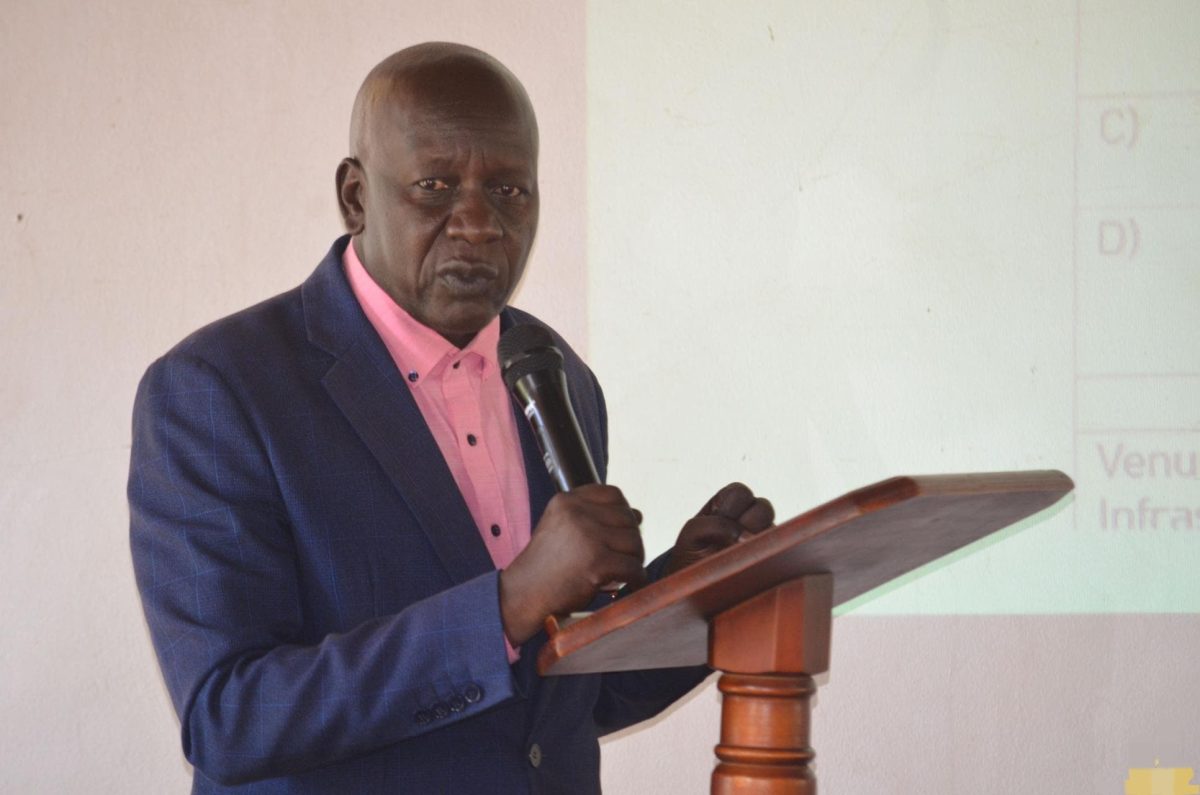
Meri Jino, former LC5 Chairperson of Kaabong District, said many requests have been made to the Ministry of Lands to have boundaries opened, but they keep getting promises with no action. “We want the boundaries of Kotido-Kaabong and Karenga to be made clear so that we can know our boundaries and also help in the budgeting processes,” Jino said.
He noted that the boundary conflict between Kotido and Kaabong has frustrated efforts to implement district policies.He cited an incident involving charcoal burning at the border where the State Attorney told them to first establish the border before taking action.
Jino called upon the new leadership and stakeholders to renew calls for boundary opening, saying it has taken too long despite reports of the government releasing money to facilitate the process. Robert Adiama, the Abim Resident District Commissioner, said they are faced with boundary tensions among neighboring communities of Napak and Agago districts.
Adiama said the situation seems to be fueled by uncoordinated movement of troops, and there is a need for harmonized interpretation of the situation. He said he has already written to the Ministry of Lands to intervene, but they are yet to get feedback. Savior Okwi, Deputy RDC, blamed local leadership for inciting conflicts over boundaries instead of promoting peaceful alternatives.
“It is the role of leaders to inform the community about the rightful boundaries and ensure that they don’t promote conflict,” Okwi said. He noted that most boundary conflicts are incited by local leaders for selfish interests, and they hide behind the community, making it difficult for authorities to settle matters even when there are archives of clear borders.
Maj Gen Wilberforce Sserunkuma, the UPDF 3rd Division Commander, said corridors from Napak to Abim need to be escalated to a higher level if the boundary conflict is to be permanently addressed. However, he said the best approach would be to encourage communities to coexist instead of conflicting.
“There is no need for neighboring communities to fight over boundaries which do not benefit them. They should instead focus on economic development to transform their livelihoods,” Sserunkuma said. He added that so far, there are no security threats resulting from boundary matters and people can continue with their normal businesses.
Leaders say the immediate priority is for the Ministry of Lands to open and clearly mark boundaries to ease administration and improve delivery of social services in the region. URN