



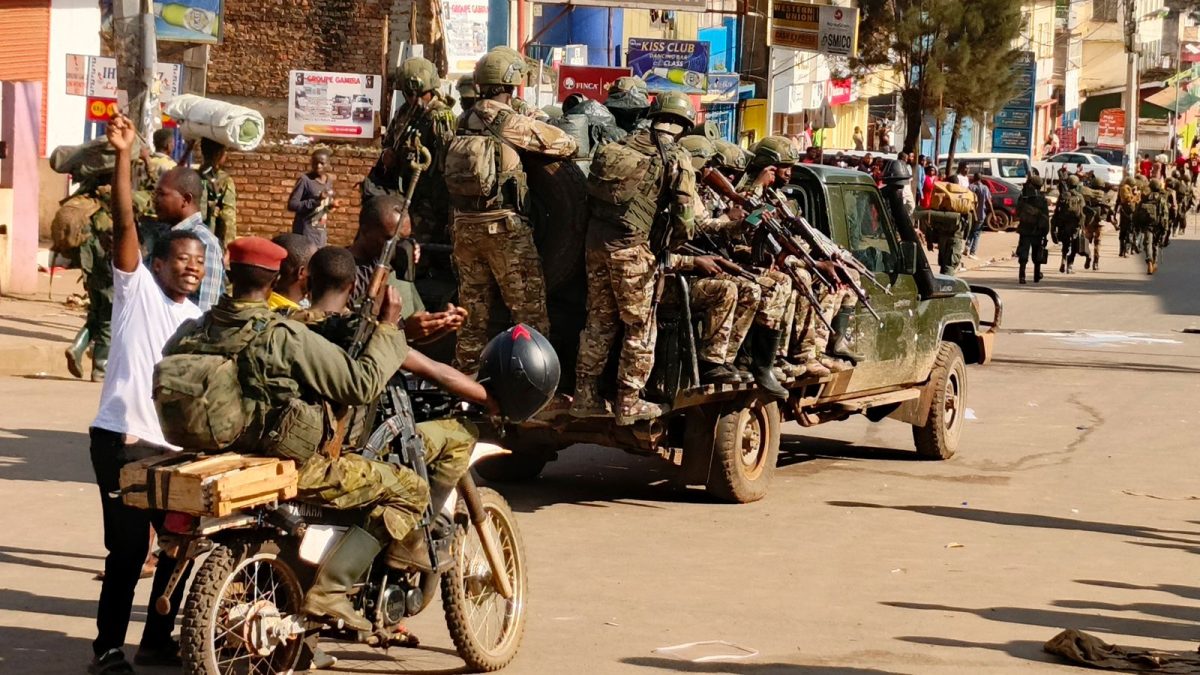
Overview:
M23/AFC asserts that its objective is to combat corruption, xenophobia, and discrimination within the DRC’s political leadership. A rapid offensive in early 2025 saw M23 capture several towns in eastern Congo, raising fears of a broader regional conflict.
The Wazalendo (Patriots) of the Volunteers for the Defense of the Homeland, translated in French as Volontaires Pour la Défense de la Patrie (VDP-RDC), a coalition aligned with the Armed Forces of the Democratic Republic of Congo (FARDC), claims to have recaptured several positions from the March 23 Movement/Alliance of the Congo River (M23/AFC) rebels, as fierce fighting enters its seventh day.
The clashes began last week across several villages in North and South Kivu provinces, with both FARDC and M23/AFC accusing each other of violating ceasefire agreements. On Tuesday morning, VDP-RDC spokesperson Sé Jules Mulumba released a statement asserting that coalition forces had dislodged M23/AFC rebels and their Twirwaneho allies from multiple positions along Nkowe–Masisi and Katoyi–Masisi roads, including Mutuza, Kasasa, Nkowe, Nyakigano, Miruta, Nyarunaba, Runigi, Kabara, Kanyaru, Katoyi Sector headquarters, Bibatama, Muhairwa, Katunda, Bukumbiri, Muho, Kawele, Tchugi, Mutobo, Luke, Mulema, Kitembe, and Kavuta.
Positions in Bijombo and Mulenge along the Bijombo–Fizi road were also reportedly reclaimed. Mulumba added that attacks on Mpeti Road in Walikale, North Kivu, had been repelled. According to the statement, several M23/AFC fighters were captured, about fifty were neutralized, and numerous weapons, including AK-47 rifles, PKM machine guns, heavy 12.7mm (MIAA) weapons, a 60mm mortar, and RPG rocket launchers, were recovered from rebel forces.
In the early hours of Tuesday, FARDC and coalition forces reportedly bombed Rubaya, a town in Bahunde Chiefdom, Masisi Territory, North Kivu, known for its coltan mining. M23/AFC spokesperson Lawrence Kanyuka accused FARDC and the coalition of indiscriminate bombing, describing it as terrorizing civilians and constituting crimes against humanity and war crimes. Later that morning, Kanyuka issued another statement alleging further attacks on Kitendebwa, Kashihe, and Kiduveri in Kalehe Territory, South Kivu, and condemned the Kinshasa regime for violating the ceasefire and launching “total war across all frontlines.”
M23 President Bertrand Bisimwa also condemned the government, claiming that since the signing of mineral-related economic agreements in Washington, the Kinshasa regime has acted with arrogance, disregarded the peace process, and carried out killings and massacres of civilians with impunity. The ongoing violence has prompted significant displacement. Since Monday, February 23, 2026, residents of Rubaya have been fleeing to Ngungu, Bihambwe, Mushaki, and other locations in South Kivu or Goma, leaving homes without belongings due to the sudden bombings.
Repeated ceasefire violations have cast doubt on prospects for a swift end to the insurgency. Since its resurgence in 2022 under leaders Bertrand Bisimwa and Emmanuel Sultan Makenga, the Congolese government has accused Rwanda of supporting M23, claims denied by both Kigali and the rebels. M23/AFC asserts that its objective is to combat corruption, xenophobia, and discrimination within the DRC’s political leadership. A rapid offensive in early 2025 saw M23 capture several towns in eastern Congo, raising fears of a broader regional conflict.
****URN****