

After years of delays caused by financing constraints, land acquisition challenges and the COVID-19 pandemic, the government is moving to revive the long-stalled 48-megawatt Muzizi Hydropower Project through private sector financing.
The Ministry of Energy and Mineral Development says Dott Services Limited and its associate companies are finalising commercial financing under the Independent Power Producer (IPP) model, signalling a broader government shift towards mobilising private capital for strategic infrastructure.
Speaking to Uganda Radio Network, Permanent Secretary Eng. Pauline Irene Bateebe said the project has entered a critical implementation phase.”The project is on track, and Dott Services together with its associate companies are closing in on the financing.
The Ministry is also supporting them to conclude land acquisition for the project,” Bateebe said. She said the project forms part of the Fourth National Development Plan (NDP IV) for 2025/26-2029/30, which identifies expanded electricity generation as a key driver of industrialisation and economic transformation.
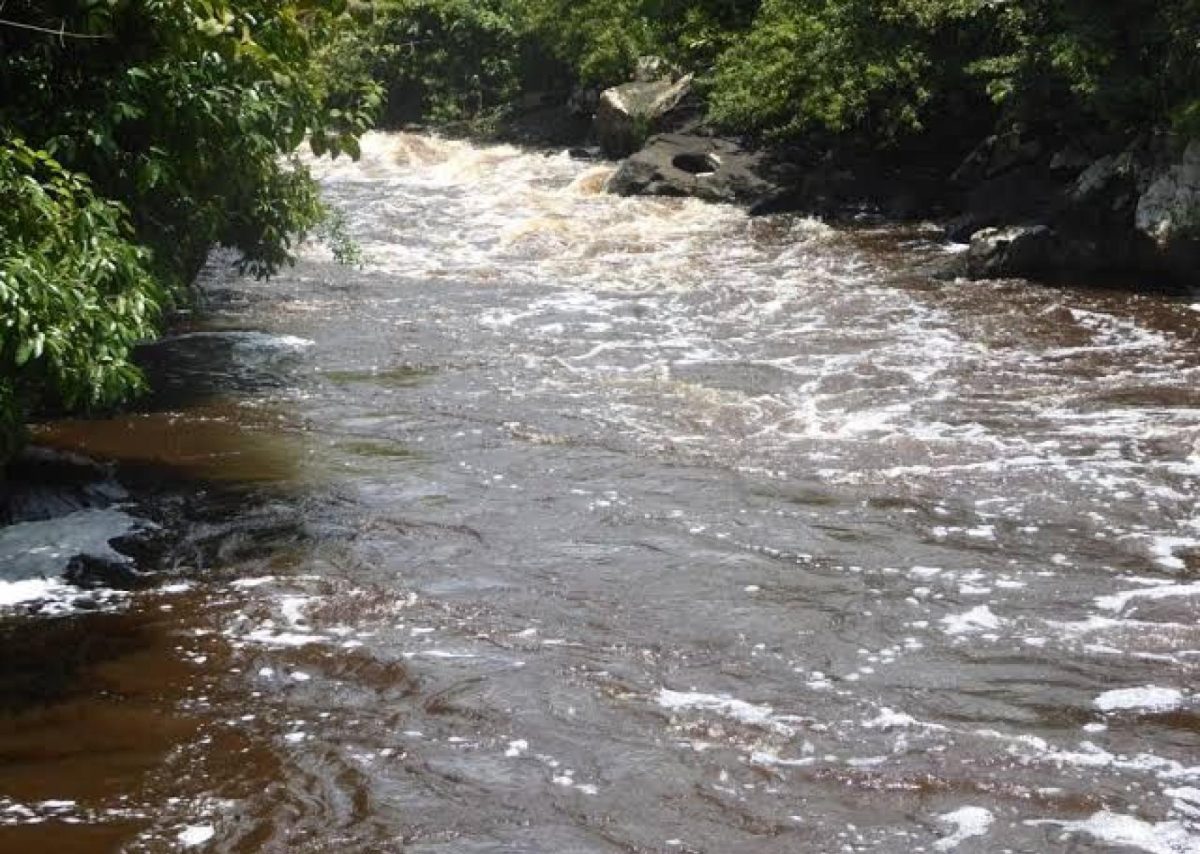
The 48MW run-of-river hydropower plant will be constructed on the lower reaches of River Muzizi, spanning Kagadi, Kyenjojo, Kabarole and Ntoroko districts. The project is being implemented by the Uganda Electricity Generation Company Limited (UEGCL), the state-owned power producer established following electricity sector reforms.
Once completed, Muzizi will add to Uganda’s national generation portfolio, which includes the 600MW Karuma Hydropower Plant, the 183MW Isimba Hydropower Plant, Nalubaale, Kiira, the 50MW Namanve Thermal Power Station and the recently commissioned 6.6MW Nyagak III Hydropower Plant.
Originally, the project was expected to be financed through a combination of concessional loans from Germany’s KfW Development Bank, the French Development Agency (AFD) and government equity, amounting to about €110 million (approximately Shs472 billion).
Although UEGCL completed detailed engineering designs and prequalified contractors as early as 2017, implementation stalled because of prolonged compensation of Project Affected Persons (PAPs), delays in approving construction costs and disruptions caused by the COVID-19 pandemic.
The decision to pursue commercial financing reflects a broader government strategy of leveraging private investment to deliver critical infrastructure as public borrowing space narrows.
The approach aligns with the Public Private Partnership Act, which encourages collaboration between government and private investors to finance major infrastructure projects.The renewed push also comes as the government seeks to expand electricity generation to support industrialisation, mineral beneficiation, oil and gas development and value addition.
Speaking during the Second Annual Energy Convention 2026 in Kampala last week, State Minister for Energy Sidronius Okaasai Opolot said Uganda requires about US$17 billion (approximately Shs64 trillion) in energy investments to realise its long-term development ambitions.
He challenged Ugandan financial institutions to play a bigger role in financing national infrastructure instead of relying predominantly on external lenders.”We are working with our local banks, and Ugandans must devise solutions locally instead of always looking outside the country to finance critical national infrastructure,” Okaasai said.
He described energy as the foundation of Uganda’s structural transformation, saying reliable electricity is essential for achieving the government’s ambition of transforming Uganda into a US$500 billion economy by 2040. Commercial banks say they are increasingly positioning themselves to finance sustainable infrastructure.
Cathy Adengo, Stanbic Bank Uganda’s Head of Sustainability and Environmental, Social and Governance (ESG), said reliable energy remains central to improving productivity, attracting investment and creating jobs.”Energy is a competitiveness issue for our nation. Delivering the tenfold growth ambition will require collective action, long-term investment and innovative financing to power our future,” she said.
The Muzizi project also supports Uganda’s commitment to Sustainable Development Goal 7, which seeks universal access to affordable, reliable, sustainable and modern energy while using electricity to accelerate industrial growth, improve public services and reduce poverty.
If successfully financed and completed, Muzizi would become another test case for Uganda’s growing reliance on private capital to bridge the country’s infrastructure financing gap. URN