

A request by the Government of Uganda for supplementary funding worth Shs6 trillion to cover past expenditure has reignited concerns over public spending discipline and accountability.
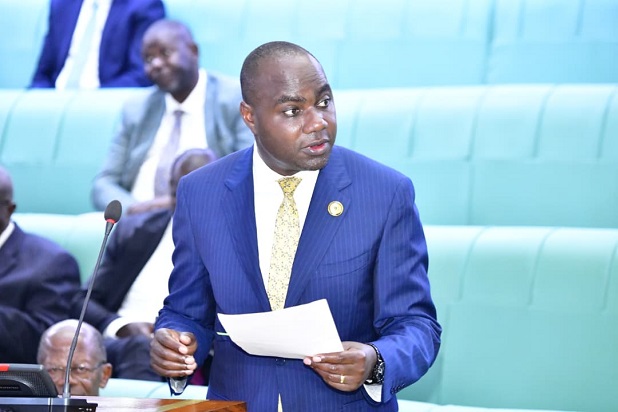
The Supplementary Appropriation (No.2) Bill, 2025 was tabled before Parliament by Henry Musasizi, seeking approval for funds drawn from the Consolidated Fund during the 2024/2025 financial year to address budget shortfalls across sectors, including State House, defense and security, and local governments.
The government says the additional funding is necessary to address gaps caused by lower-than-expected revenues, higher recurrent expenditures such as wages and interest payments, and unforeseen demands during the financial year.
The Bill, presented close to the end of the 2025/2026 financial year, is largely intended to regularise spending already undertaken in line with the Public Finance Management Act.However, critics—including opposition MPs, civil society actors, and analysts—argue that supplementary budgets are increasingly becoming routine rather than exceptional.
They warn that the practice of spending first and seeking approval later risks undermining accountability and turning Parliament into a “rubber stamp.”Julius Mukunda of the Civil Society Budget Advocacy Group (CSBAG) urged Parliament to scrutinize the request, questioning whether the expenditures were truly unavoidable and whether they delivered value for money.
He warned that such large supplementary spending could threaten fiscal stability and debt sustainability.In response, Musasizi defended the request as constitutional, noting that supplementary estimates are permitted where approved funds are insufficient or where urgent expenditure arises. The Bill, signed by Matia Kasaija in December 2025, seeks to legalise the additional spending retrospectively from July 1, 2024.
Key beneficiaries include the Ministry of Energy and Mineral Development (Shs915.4 billion), State House (Shs606.4 billion), Ministry of Works and Transport (Shs442.8 billion), and the Ministry of Defence and Veteran Affairs, alongside allocations to local governments largely for salaries and wages.
Meanwhile, Ramathan Ggoobi attributed recurring supplementary requests to poor budgeting practices within Ministries, Departments, and Agencies. He said some accounting officers deliberately understate initial budgets—a practice known as “low-balling”—to justify later funding requests, warning that such “budget games” fuel inefficiency, corruption, and weak fiscal discipline.
Ggoobi said the government is taking steps to curb these practices as part of broader efforts to strengthen transparency and improve public finance management. URN