



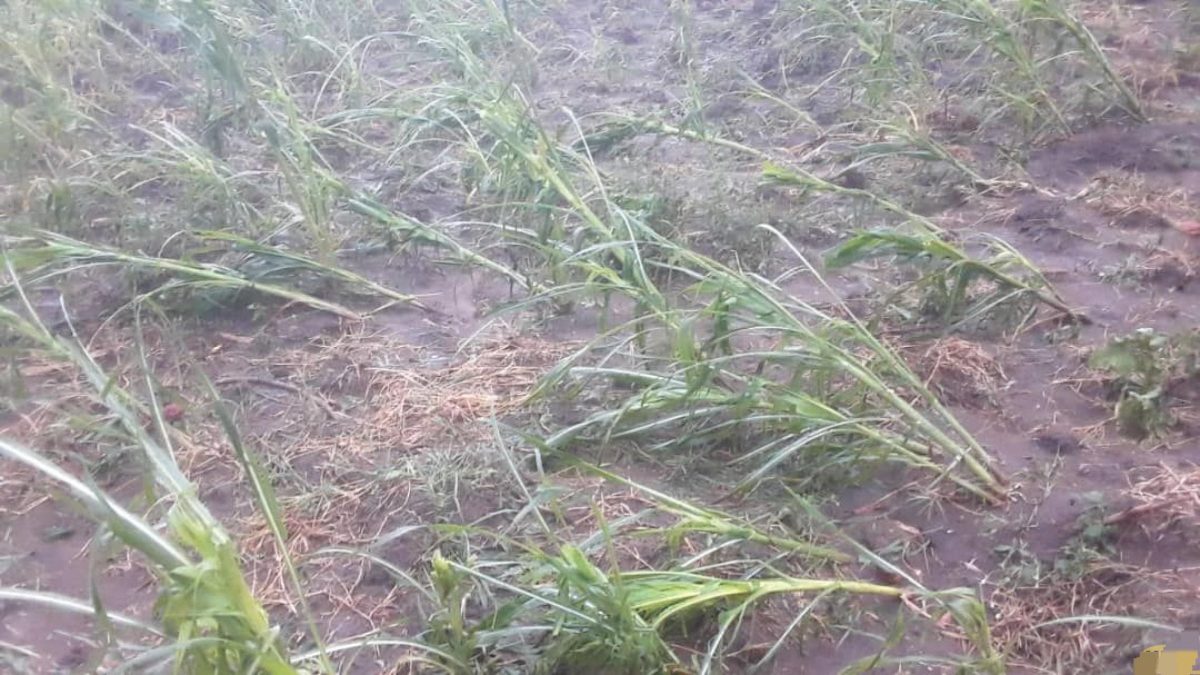
Growing fears of food insecurity and potential famine are emerging in Katakwi District after hundreds of farmers lost crops to a devastating hailstorm that swept through several villages following a brief return of rains.
Farmers say the storm destroyed gardens that had only just recovered from a prolonged dry spell, leaving them with no clear option for replanting and deepening concerns about household food supply in the coming months.
The disaster struck on Friday evening, April 24, 2026, at around 5 p.m. in Katakwi Sub-county, shortly after rains returned following a three-week drought that lasted from early February through March and extended into April.
The downpour was accompanied by hailstorms that wiped out an estimated 500 crop gardens across Apollin Parish in Ngariam County.
The most affected villages include Aguriguri, Apuuton, Angoobo, Apollin, and Atiriiri.Crops destroyed include sorghum, maize, groundnuts, cassava, beans, millet, and rice—leaving farmers uncertain about recovery options.
Farmers like Daniel Olaki in Agurigur Village said the rains that were initially welcomed quickly turned destructive, as strong winds and hail flattened crops and damaged homes.
He warned that the situation could worsen food insecurity in Agurigur, Apuuton, Angoobo, Apollin, and Atiriiri villages.Other residents, including John Peter Aomat, 61, from Aguriguri, reported additional losses, including destruction of two gardens and the death of 25 chicks, and called for urgent government support in form of seed relief.
Robert Ibwala, LC1 Chairperson of Aguriguri Village, said about 500 gardens were destroyed, including maize, groundnuts, cassava, and rice plantations that had been planted for the first harvest.
Max Oleumo, Vice Chairperson of Apollin, said the hailstorm affected the entire parish and warned of worsening hunger and rising living costs if urgent intervention is not provided.
He urged the Office of the Prime Minister and the Katakwi District Disaster Committee to provide emergency seed support to help farmers replant.
He cautioned that the combined effect of crop loss and rising market prices could worsen hardship in the area. URN