

Independent candidates made a strong showing in the recently concluded LC1 Chairperson and Women Council elections in Mbarara City, despite the National Resistance Movement (NRM) retaining an overwhelming majority.
Official results show that the NRM won a total of 887 seats in the two elections, while independent candidates captured 88 seats, demonstrating that although the ruling party remains firmly in control, a notable number of communities opted to elect candidates outside established political party structures. However, the elections were not without disruption. Voting in seven villages was cancelled following violence and disputes over the voters’ register.
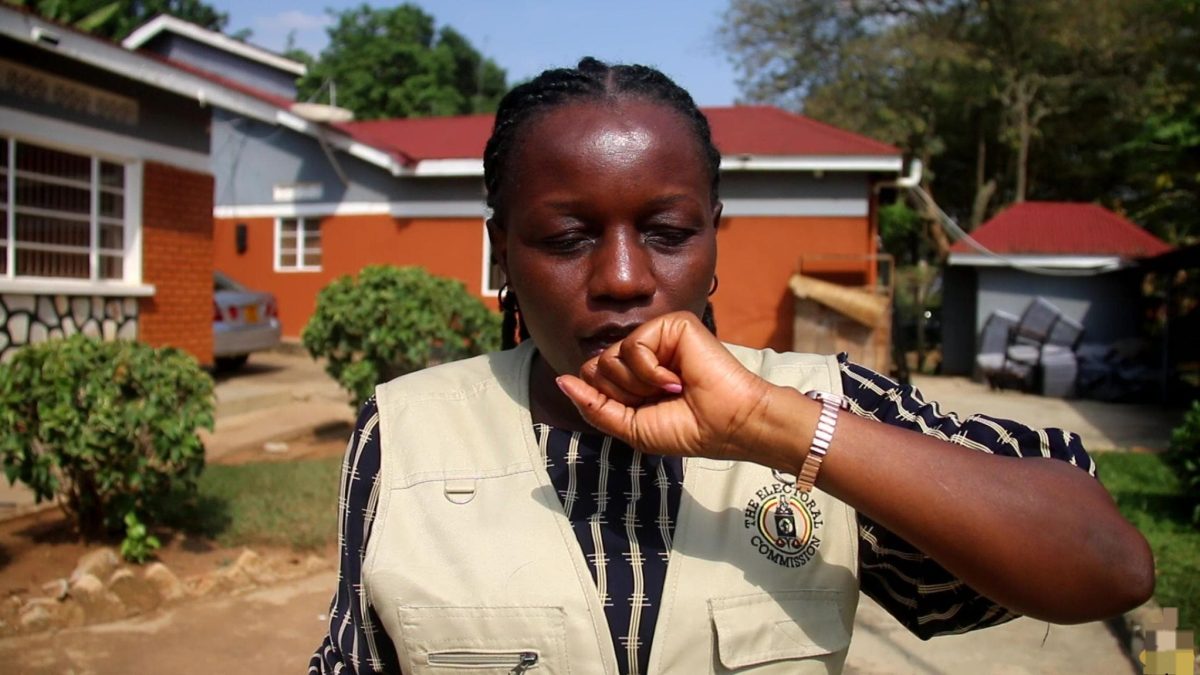
Mbarara City Election Administrator Violent Atuhurra said disagreements erupted after people whose names were not on the register insisted on voting, sparking confrontations among rival supporters and forcing election officials to halt polling in the affected areas.
The affected villages are Karugangama, Nyakeizi, Mandela, Kakiika and Rwenkaja, where voting turned violent. Two other villages also had their elections cancelled, bringing the total number of affected villages to seven.
Atuhurra added that election officials also received complaints of interference by politicians holding higher offices, including division and city councillors, Members of Parliament, and former electoral contestants who allegedly sought to influence the village elections.
A breakdown of the results shows that in the Women Council elections, the NRM won 732 seats, while independents secured 64. Only one village failed to hold the election. In the LC1 Chairperson elections held on Wednesday, the NRM won 155 seats, while independents claimed 24. Elections in seven villages were not concluded after violence disrupted polling.
Rwizi Region Police spokesperson Samson Kasasira confirmed that police recorded several violent incidents during the elections but said comprehensive details would be released after reports from across the region are compiled.
Mbarara City comprises two divisions, Mbarara City North and Mbarara City South, with 24 wards and 186 cells, where the elections were conducted. URN