



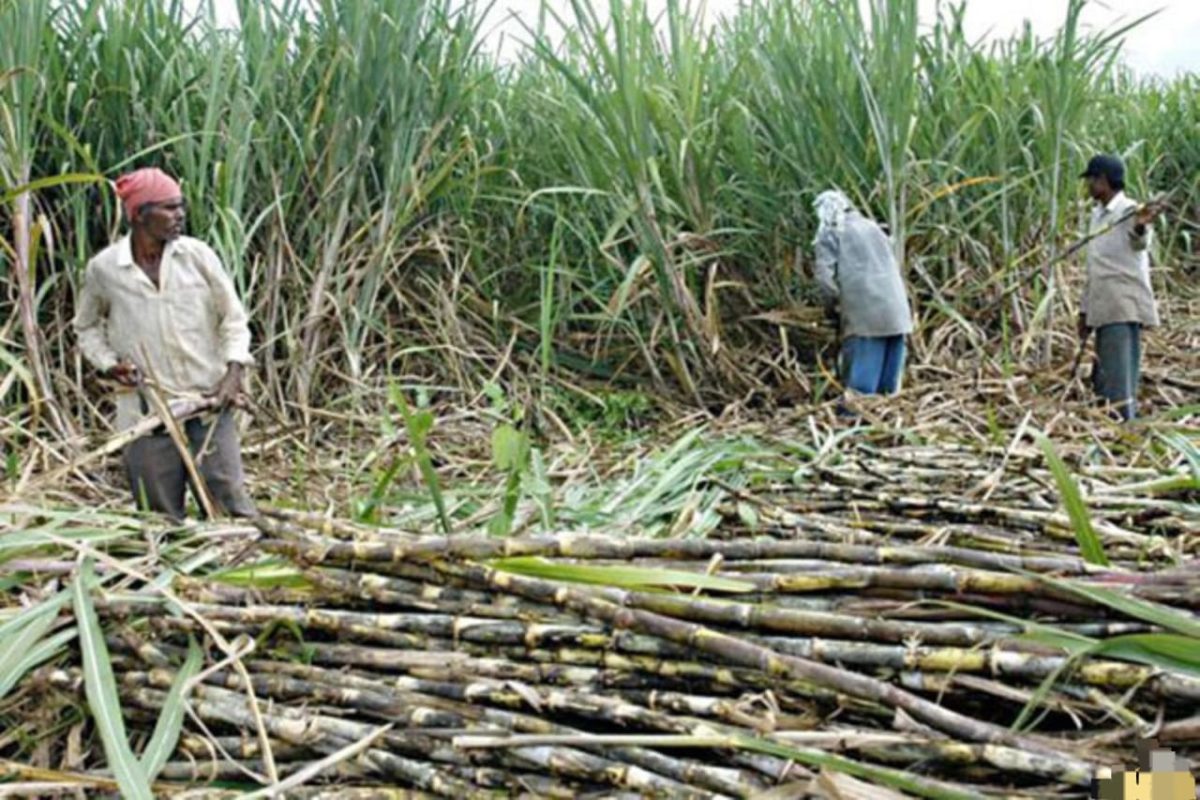
Sugarcane farmers in Agururu B3 Village, Western Division of Tororo Municipality, have raised concerns over alleged exploitation by Kenyan traders who they accuse of buying their produce at unfairly low prices.
The village has in recent years emerged as a key hub for soft red sugarcane production in Bukedi Sub-region, with many farmers abandoning other crops in favor of sugarcane due to its relatively stable returns.
The area is estimated to produce over 30,000 tonnes of sugarcane annually.However, farmers say the entry of cross-border traders, mainly from Kenya, has disrupted the local market.
The traders reportedly move directly to farms with trucks and purchase cane in bulk, often buying entire plantations at once.Geoffrey Hasakya, the LC I Chairperson of Agururu B3 Village, says the lack of farmer organization has made it easier for traders to dictate prices.
“Because we are not organized, these traders dictate the prices. They buy our cane at as low as 500 shillings per piece and later sell it in Kenya at over 2,000 shillings.
Farmers are losing out on the real value of their produce,” Hasakya said.He adds that the traders selectively harvest mature and healthy cane, leaving farmers with low-quality produce that is difficult to sell on the local market.
Farmers previously sold sugarcane at prices ranging between 100 and 1,000 shillings per piece depending on size and quality.
They now say that despite selling in bulk, prices remain low and largely unchanged.Hasakya notes that the matter has been raised with the district production office, with farmers calling for government intervention to regulate the trade and protect local producers.
In addition to market challenges, farmers are also reporting a decline in yields. Hasakya says that sugarcane which previously grew to between seven and ten feet about five years ago now averages less than five feet.“Our yields have reduced significantly.
We need government support in accessing improved and fast-maturing sugarcane varieties if we are to sustain production,” he added.Roda Nakawuka, a local farmer, says the situation reflects broader neglect of the sugarcane sector.“If the government had protected sugarcane farmers, many of us would be living better lives.
Right now, we are working hard but earning very little,” Nakawuka said.Farmers are now appealing to government to support the formation of cooperatives, regulate cross-border trade, and provide access to improved planting materials to enhance both production and profitability. URN