

A story about a schoolgirl in eastern Uganda who reportedly filled a polythene bag with sand, added a little water to hold it together, and used it as a makeshift sanitary pad has inspired a nationwide campaign aimed at ending period poverty and keeping girls in school.
The incident, which was reported by the Daily Monitor in August 2024, deeply moved Mukundane Hope, the Lead Partnerships, Services and Housing Projects Manager at Kili Clear Campaign. “When I read that story, it broke my heart,” Mukundane said. “At the time, I was already working on a project addressing teenage pregnancy. I realized period poverty was another crisis forcing girls out of school, and it needed an immediate solution.”
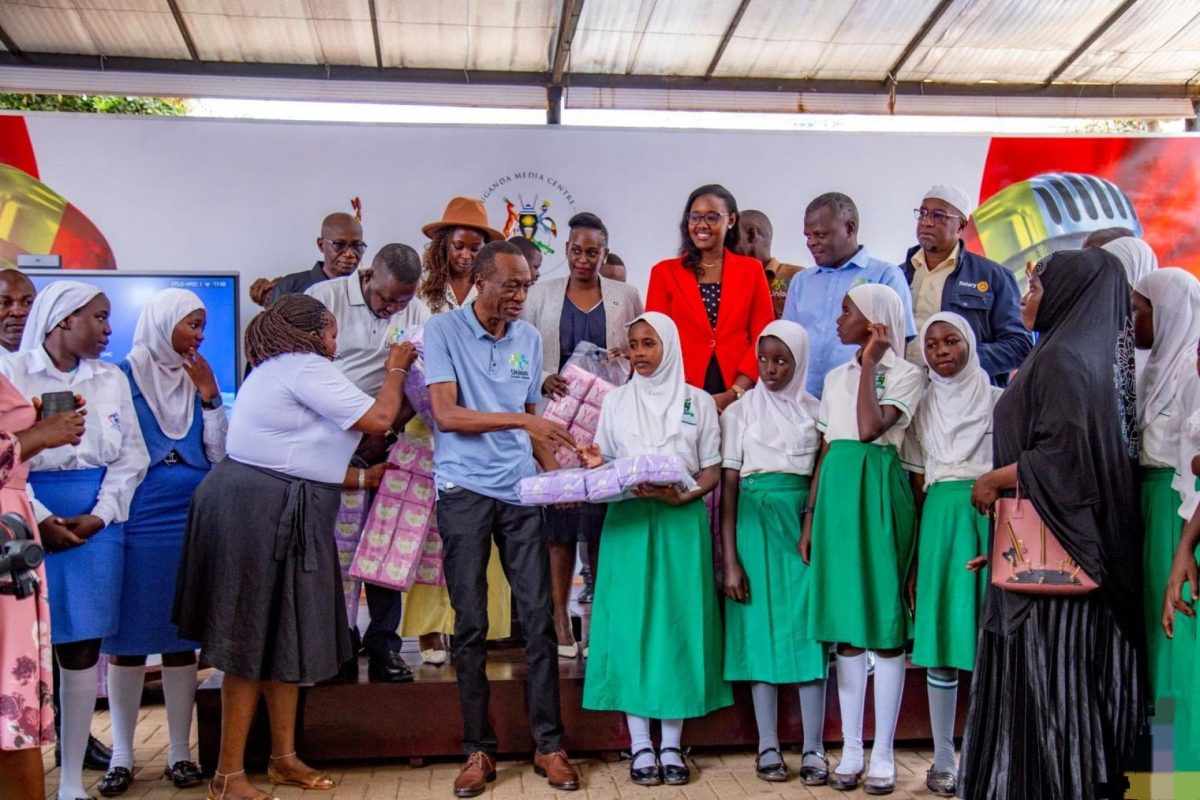
It was from that moment that the Kili Clear Campaign was born. Launched this week, the campaign seeks to reach one million girls across Uganda with free sanitary pads to ensure they can attend school without interruption during their menstrual periods. Mukundane said many girls continue to miss classes or drop out of school altogether because they cannot afford basic menstrual hygiene products.
“Our goal is for every girl to have peace of mind while at school,” she said. “We want her to concentrate on her education instead of worrying about where she will get a sanitary pad.” Each beneficiary will receive a package containing 10 packs of sanitary pads, enough to last approximately one year. Each package is valued at about Shs20,000, providing girls with a reliable supply throughout the school year.
The campaign will initially focus on vulnerable communities in Karamoja, Mubende, Bundibugyo and other underserved areas where period poverty remains a significant barrier to girls’ education. Mukundane acknowledged that limited resources mean the campaign cannot immediately reach every girl in need.
“We would love to support every girl in Uganda, but because resources are limited, we are starting with one million girls as we continue mobilising more partners and resources,” she said. The initiative has already attracted support from individuals and organisations committed to improving girls’ education and menstrual health.
Frank Fred Ssenoga of the Transport Alliance said the high cost of sanitary pads continues to lock many girls out of school. He called on government leaders, development partners and well-wishers to support the campaign, revealing that the organisation has already contributed Shs2 million towards providing sanitary pads to girls in Kawempe.
Ssenoga also announced that campaign teams will begin distributing sanitary pads in schools across Kampala this week, adding that the initiative is intended to become an annual programme rather than a one-time intervention.
The campaign’s chairperson, Rashid Ssekandi, said restoring girls’ dignity and ensuring they remain in school are at the heart of the initiative. “By providing quality sanitary pads, we are empowering girls to remain in class and helping build a brighter future for them,” he said. Ssekandi also donated Shs5 million to support girls in Kalungu District.
Health experts have welcomed the campaign, noting that poor menstrual hygiene management remains one of the overlooked factors affecting girls’ education, health and well-being.
Richard Mugabi, representing the Ministry of Health, said adolescent girls continue to face multiple reproductive health challenges, including early pregnancies, which often result in school dropout and childbirth-related complications.
He called for stronger reproductive health education alongside improved access to menstrual hygiene products to enable girls to remain healthy and complete their education.
As the Kili Clear Campaign begins distributing sanitary pads across Uganda, its founders hope no girl will ever again be forced to use sand in a polythene bag simply because she cannot afford a sanitary pad. URN