



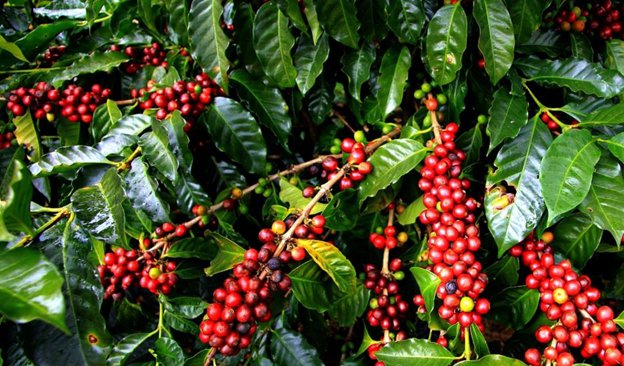
James Rujumba a beneficiary welcomed the initiative noting that tea farmers are currently struggling due to low prices and lack of stable income and that venturing into coffee growing would offer better earnings.
Mwenge South residents in Kyenjojo District have been urged to change their mindset and embrace agriculture, particularly coffee growing, as a sustainable way to boost household incomes and fight poverty.
The call was made on Friday during the launch of a coffee seedlings distribution project spearheaded by Mary Kamuli Kuteesa, the Mwenge Central MP elect.
The initiative seeks to encourage families to shift from subsistence maize farming to coffee production, which leaders describe as more profitable and sustainable. Kyenjojo is widely known as one of Uganda’s largest tea-growing districts.
However, many farmers have been abandoning tea due to persistent challenges in the sector, especially low market prices. At the same time, maize which many households have turned to has also proven less profitable and labor-intensive, with fluctuating market prices.
Kamuli emphasized that the project is aimed at eradicating poverty by promoting crops that generate steady income.
She noted that most households have been planting maize, which requires a lot of care yet brings in little income.
She says that many people have avoided coffee because they lack seedlings and believe it takes long to mature but urges that although coffee may take about two years before the first harvest, it produces for many years and offers better returns.
The five-year project, targets the production of five million coffee seedlings from the setup nursery beds.
Each household is expected to receive at least 30 seedlings, which can potentially earn a family up to two million shillings per harvest season.
Robert Ahabyona, the coffee technical officer overseeing the project says that the seedlings being distributed are improved Robusta coffee wilt-resistant varieties suited to the soils and weather conditions in the region.
Ahabyona, urged the beneficiaries to ensure proper planting practices, including digging appropriate holes, proper spacing, and good maintenance.
James Rujumba a beneficiary welcomed the initiative noting that tea farmers are currently struggling due to low prices and lack of stable income and that venturing into coffee growing would offer better earnings.
Violet Kaganzi observed that maize farming has not been yielding meaningful profits for most families and said embracing coffee growing would enable households to better support themselves.
Joseph Amanya described the project as transformative but appealed for additional support such as fertilizers and pesticides to ensure higher yields.
****URN****