



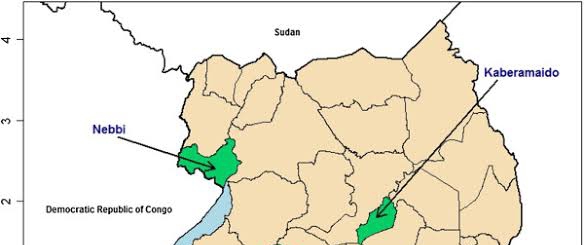
Local leaders in Nebbi have sounded the alarm over the escalating land conflicts, citing threats to agricultural production and food security within the district. These conflicts, according to the leaders, have resulted in the displacement of numerous households, depriving them of land for cultivation and, in some tragic cases, leading to loss of lives.
The most severely affected areas include Erussi Sub County, which was historically a food basket for the district and the wider West Nile region, as well as Parombo, Atego, and Jupangira sub-counties. Collins Oromchan Jalachida, the LC3 chairperson of Erussi sub-county, attributes the surge in land conflicts to the region’s increasing population and insecurity over land tenure.
He highlights that as the population grows, land fragmentation becomes a pressing issue, undermining agricultural productivity and jeopardizing food security.
Alfred Rupiny, a resident affected by the disputes, reveals that numerous court injunctions have been issued for contested land within the sub-county, leaving squatters in a state of uncertainty. Rupiny emphasizes that many affected households have become food insecure due to unresolved land disputes.
Kelvine Adubango, a lawyer from Joel Cox Advocates, underscores that land conflict challenges extend beyond Erussi sub-county to the broader Nebbi region. Adubango notes that an average of 1,000 land cases are filed in court annually.
However, Robert Abak, the Nebbi Resident District Commissioner, reveals that women, widows, and children bear the brunt of land conflicts in the district. He emphasizes that efforts are underway to conduct community dialogues to raise awareness about the importance of amicably resolving land disputes.
URN.