



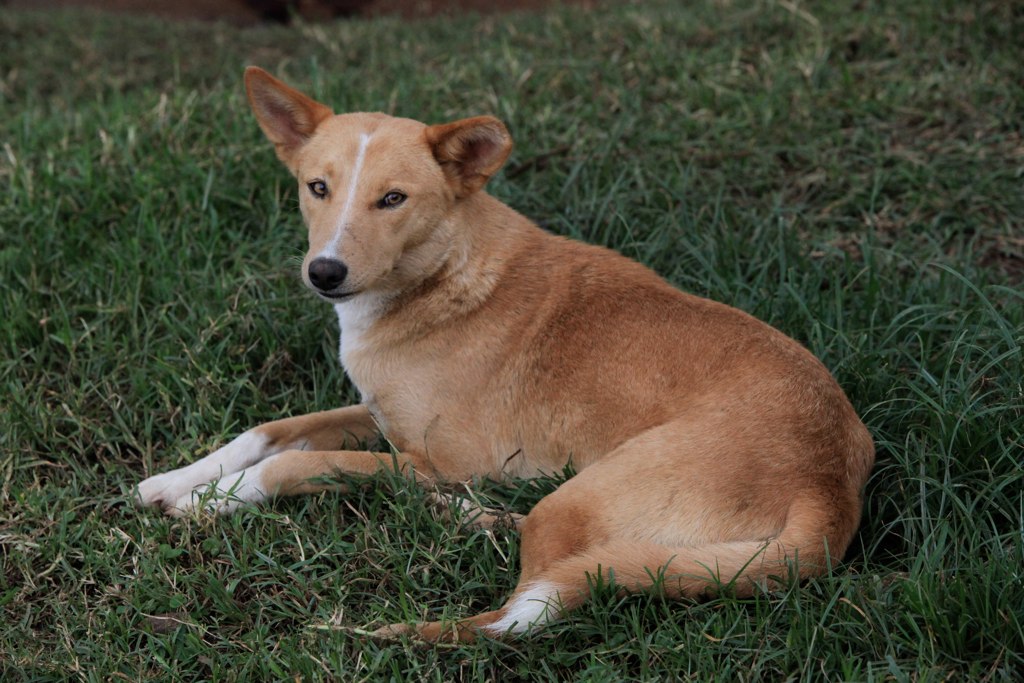
Authorities in Lira City have issued an urgent public alert after a sharp rise in dog bite cases and three confirmed deaths linked to suspected rabies. Data indicates that the city now records an average of five dog bite cases every week, though the actual number is believed to be higher due to underreporting.
Lira City is home to over 4,000 dogs, 1,100 cats, and approximately 6,600 heads of cattle, putting its 300,000 residents at continued risk if the situation escalates. Bruno Seronkum Akejo, City Production Officer, said, “A rate of five cases every week is already a significant threat,” adding that the recent deaths have raised concerns over a potential rabies outbreak.
He confirmed that dogs linked to the fatal incidents have been “put out of action,” while emergency surveillance has begun to determine whether a full-scale outbreak is underway.
Rabies is a viral zoonotic disease and the deadliest disease of mammals, killing more than 59,000 people annually. Bites from rabid dogs account for 99 percent of human cases, with 40 percent affecting children under 15. The virus spreads through the saliva of infected animals, usually via bites.
Senior Veterinary Officer Peter Okello said the city recently received 480 doses of rabies vaccine, but supplies have already run low, with 275 doses administered in just two weeks. Vaccination teams have covered Anai, parts of Angwetangwet, Boke, and Akia, and are continuing operations.
Okello appealed to the Ministry of Agriculture for more vaccine doses, citing earlier stock-outs. “We have notified all relevant authorities,” he said. “We hope the ministry will act quickly so we can continue with the vaccination program.”
Richard Ayo, a resident of Gwengabara in Lira City East Division, said he will vaccinate his dog after seven years of ownership. “I have had this dog for seven years, but never bothered to vaccinate it. Now that there is a disease in the area, I will take it for vaccination,” he said.
One suspected rabid dog reportedly moved through several neighborhoods, including Baropuu, Barlwala, and Angwetangwet, before being tracked and killed. Another suspected rabid dog attacked a woman and child in Boke ward and was subsequently put down.
Nelson Okello, Head of the Lira City Veterinary Section, confirmed that dog bite cases have been gradually rising, peaking in August when 22 cases were recorded in a single month. He warned residents to remain vigilant and follow safety precautions: do not run from dogs, never inspect a sick dog’s mouth, and supervise children, who are more frequently bitten—especially by paralyzed or weakened animals.
Victims of dog bites are urged to wash wounds thoroughly with clean water and seek immediate attention from veterinary officers before proceeding to medical facilities for post-exposure prophylaxis (PEP). Okello cautioned that bites to the head, face, or neck carry the highest risk as the virus reaches the brain faster. He also advised the public to avoid consuming meat from untrusted sources, as some livestock may have been bitten by infected dogs.
Uganda’s national strategy aims to eliminate dog-mediated rabies by 2030, achievable only if communities fully participate in vaccination and reporting efforts. As surveillance intensifies, veterinary officers continue to urge residents to remain alert, report all dog bites, and cooperate with ongoing vaccination campaigns.
***URN***