



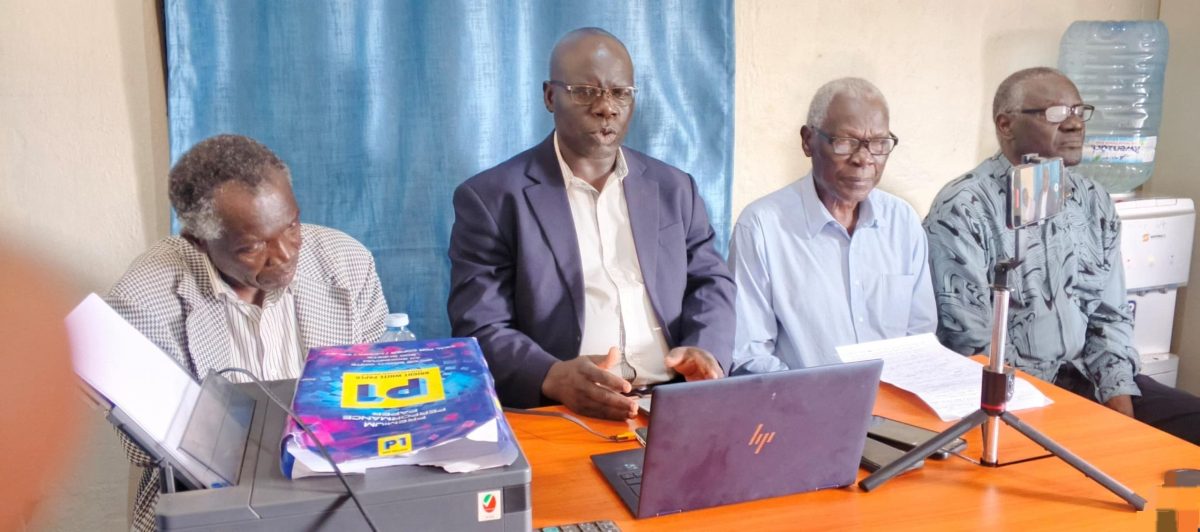
Efforts to protect customary land from rampant sale and preserve it for future generations are underway in West Nile, following the development of a new land policy by the Lugbara Cultural Institution and legislators from Lugbara-speaking communities.
The policy is intended to sensitise the Lugbara people about the dangers of selling inherited land and encourage communities to preserve customary land for future generations. The initiative comes amid growing concerns over land conflicts, with the increasing value of land and rapid urbanisation prompting many individuals to sell inherited and customary land.
Officials say the practice has contributed to landlessness, family disputes and numerous land-related cases in courts. Although the Constitution of Uganda provides for individual ownership of land, Lugbara Kari officials say communities need to safeguard customary and hereditary land to ensure it remains available for future generations.
Rev. Dr. Christopher Yiki, Speaker of the Lugbara Kari Parliament, said the new policy is aimed at creating awareness among the Lugbara about the long-term dangers of disposing of their ancestral land. According to Yiki, the cultural institution has also partnered with Members of Parliament from Lugbara-speaking communities to support people in obtaining customary land titles.
Meanwhile, Prof. Willy Ngaka, Deputy Prime Minister and Minister for International Relations and Diaspora Affairs of Lugbara Kari, said the institution has embarked on identifying and engaging Lugbara people living outside West Nile to popularise the cultural institution’s values and policies.
Ngaka said the outreach is intended to ensure that all Lugbara subjects are adequately informed about the institution and treated equally, while reducing misinformation.
According to Lugbara Kari officials, efforts are also underway to finalise the gazetting of the cultural institution with the Ministry of Gender, Labour and Social Development under Paramount Chief Designate Anzelo Alia Pati of Maracha.
The development follows disagreements within the Ayivu community, where a section of the people denounced their chief, Yuma Manase, who had been expected to be enthroned as Paramount Chief.
Meanwhile, officials of Lugbara Kari have begun popularising the institution’s anthem in schools, other institutions and public and social gatherings as part of efforts to strengthen cultural identity and affirm the administration of the cultural institution across Lugbara land. URN