

Uganda’s rapidly changing media landscape will come under fresh scrutiny this week as Market Intelligence Group (MIG) launches the 2026 Uganda National Media Survey (UNMS), providing new insights into how Ugandans consume radio, television, print and digital media.
The report will be launched on Thursday, September 3, 2026, from 7:00am in Kampala, according to an invitation issued by the research firm.
The 2026 survey covers 146 districts and examines media consumption across Uganda’s major regions, including Acholi, Ankole, Buganda, Bugisu, Bukedi, Bunyoro, Busoga, Greater Kampala, Karamoja, Lango, Kigezi, Rwenzori, Sebei, Teso and West Nile.
The findings are expected to provide updated data on radio listenership, television viewership, print readership and digital-media consumption, at a time when traditional media continues to compete with rapidly expanding digital platforms.
Tracking a changing media industry
Market Intelligence Group has conducted the UNMS for more than a decade, positioning the survey as one of the recurring attempts to measure Uganda’s media audience nationally.
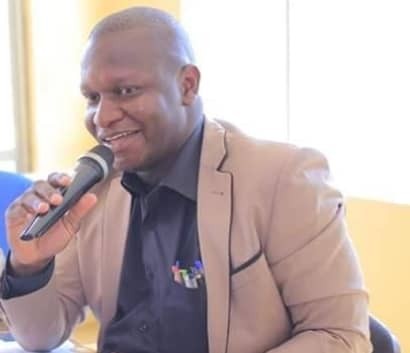
Ahead of the 2025 edition, MIG Managing Director and Principal Investigator Dr Joel Isabirye said the importance of audience research had grown as the media environment continued to change.
“Measuring media trends is a practice the world over,” Isabirye said, stressing that consumers, advertisers and media practitioners need to keep track of changes in audience behaviour.
The methodology used in previous editions has included random stratified sampling across Uganda’s sub-regions and districts, which MIG says is intended to produce nationally representative findings.
Isabirye has previously explained that the purpose is not simply to establish which media brands are popular, but to understand how, where and why audiences consume media.
“We have consistently prioritized random stratified sampling to make our findings as representative as possible,” he said in explaining the survey methodology.
From radio and television to digital
The latest survey comes against a backdrop of a significant expansion in Uganda’s media industry, with hundreds of radio stations, more than 50 television stations and a growing number of digital publishers and content creators competing for audiences.
The 2024 UNMS findings, for example, showed the growing importance of internet consumption alongside traditional platforms. That survey reported internet consumption at 84%, television at 77%, radio at 59% and print at 27% on the indicator measured.
The 2026 report could therefore offer an important indication of whether digital consumption has continued to expand and how that growth is affecting radio, television and newspapers.
Previous UNMS editions have also ranked individual media brands, programmes and personalities, making the survey particularly significant to broadcasters, advertisers and media managers.
In 2024, MIG’s findings included rankings of television stations, current-affairs programmes, presenters and online news platforms. Dr Isabirye said the research gives advertisers, consumers and policymakers a basis for understanding changing media-consumption patterns and making informed decisions.
The 2025 survey similarly produced rankings across different media categories and regions, including sports television and personalities.
The 2026 survey is expected to go further by examining audience behaviour across the country’s 146 districts, potentially providing media houses with a clearer picture of regional differences in consumption.
Popular culture also part of the picture. The 2026 UNMS is also expected to capture aspects of popular culture and entertainment consumption.
Earlier reporting on the forthcoming survey revealed that MIG examined music consumption among Ugandans, with Cindy Sanyu and Omega 256’s “See You Tonight” identified as Uganda’s Song of the Year for 2025 in the survey findings.
Isabirye explained that popular music was included because it forms part of the broader mass-media ecosystem.
“We identified a number of variables that reflect how the public consumes media,” Isabirye said, explaining the inclusion of popular music in the research.
The release of the 2026 UNMS is consequently expected to attract attention from media owners, journalists, advertisers, communication scholars, policymakers and content creators, all of whom increasingly depend on reliable audience data to understand Uganda’s changing information environment.