

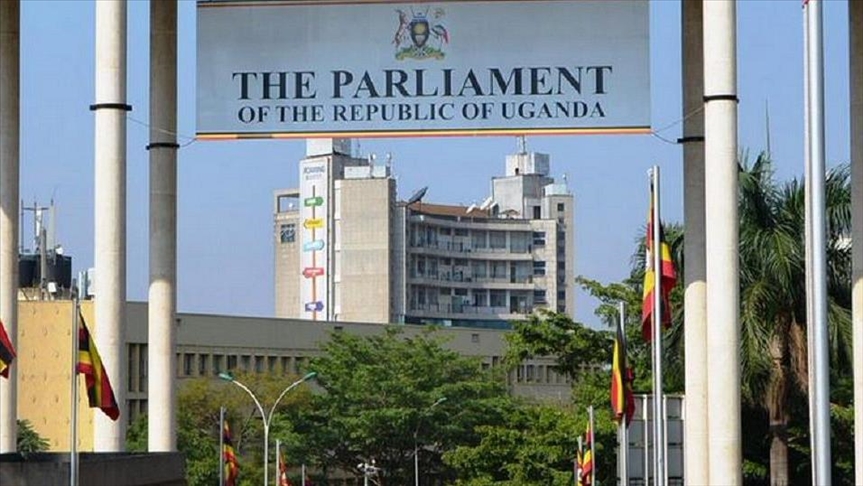
Members of Parliament are demanding urgent government intervention to contain rising fuel and food prices, warning that the worsening cost of living could push more Ugandans into poverty and threaten economic stability.
The legislators want the government to reduce taxes on petroleum products, use its foreign exchange reserves to help stabilise the shilling and cut non-essential public expenditure.
The demands followed a statement on the State of the Economy by Finance Minister Henry Musasizi, which MPs said had failed to propose concrete measures to ease the growing economic pressures on households.
Ntungamo Municipality MP Gerald Karuhanga said Ugandans had expected the minister to announce decisive interventions but were disappointed by the response. He called on the government to present practical measures to stabilise prices, protect household incomes and strengthen domestic production.
//Cue in; “So, we have…
Cue out…30 million back.”//
Karuhanga cited the rising cost of essential commodities, saying a bunch of matooke now costs 90,000 Shillings, beans about 7,000 Shillings per kilogramme and maize flour more than 3,000 Shillings per kilogramme. He added that petrol prices had risen to between 7,500 and 10,000 Shillings per litre at some fuel stations. He questioned why the government was accumulating foreign exchange reserves while consumers struggled with rising prices.
Karuhanga said Uganda had increased its reserves by about 2.4 billion dollars last year and called for more direct interventions to ease the pressure on households and businesses. He proposed reducing taxes on fuel and establishing an industrial park fund to support domestic manufacturers, reduce reliance on imports and lower demand for foreign currency.
Katikamu South MP Hassan Kirumira attributed some of the economic pressures to declining donor support, capital flight and reduced remittances from Ugandans living abroad. He urged the government to address concerns about human rights and political developments, arguing that doing so could help restore donor confidence.
Kirumira also questioned Uganda’s export performance and repeated delays in the anticipated commencement of oil production. He said the government needed to explain the assumptions underpinning its budget in light of the country’s economic challenges.
Luwero District Woman MP Brenda Nabukenya said the minister’s explanation that imported inflation was driving price increases failed to address the broader impact of rising fuel costs on locally produced goods. She called for a review of excise duty and other taxes on fuel and essential commodities, alongside cuts in non-essential government expenditure.
Mbale Industrial Division MP Masaba Karim criticised the government’s advice for Ugandans to rationalise their consumption, arguing that many households were already struggling to afford basic meals. He also questioned the increase in allowances for government officials at a time when ordinary citizens were grappling with rising living costs.
Karim urged the government to consider reducing fuel taxes, citing Kenya’s reported reduction of Value Added Tax on petroleum products from 16 per cent to eight per cent as a possible model.
Kilak South MP Gilbert Olanya warned that rising fuel and transport costs were placing a disproportionate burden on low-income households. He gave the government 14 days to present solutions, warning that continued economic hardship could trigger public discontent.
//Cue in; “Currently, the prices…
Cue out…suffering out there.”//
Mukono District Woman MP Sheilah Draville Amaniyo questioned the disparity between official economic growth projections and the declining purchasing power of ordinary Ugandans.
Wakiso District Woman MP Betty Ethel Naluyima also demanded an explanation for the weakening shilling, saying exchange-rate pressures were making essential commodities increasingly unaffordable.