

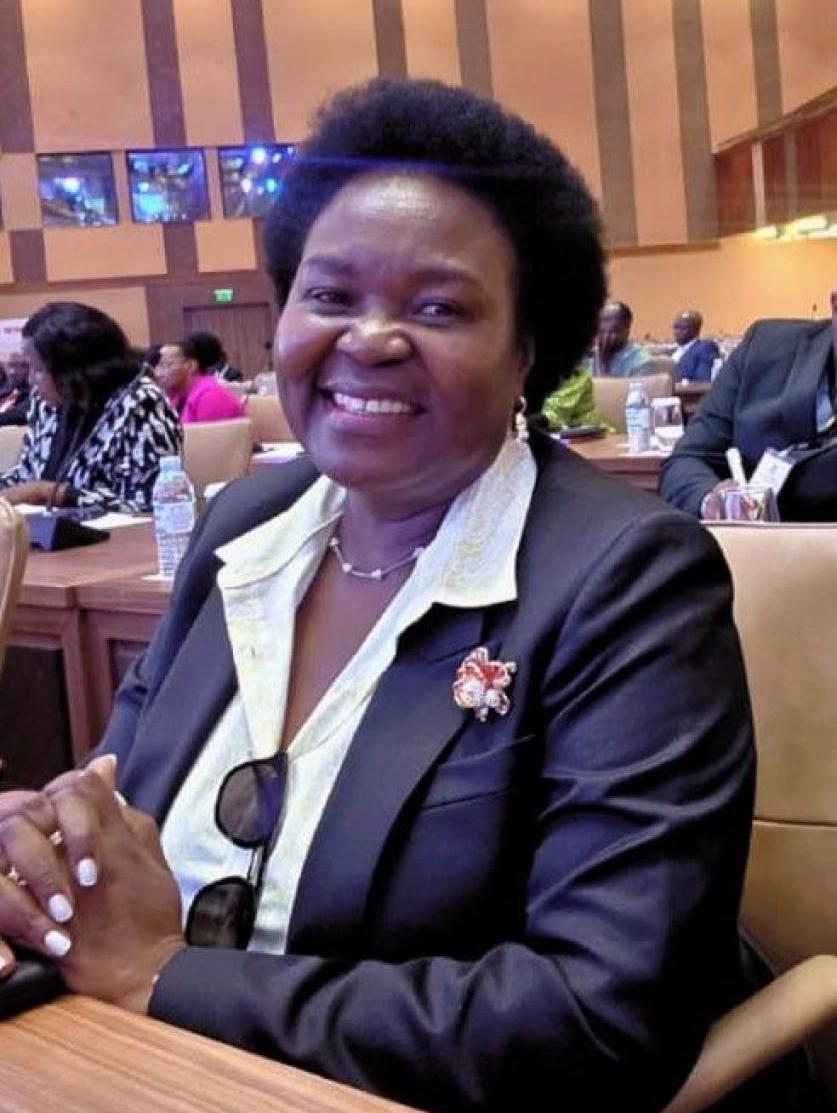
Former Minister Ruth Nankabirwa has urged members of the 12th Parliament to exercise financial discipline, warning that poor financial decisions and mounting personal debt are undermining legislators’ effectiveness and exposing them to unnecessary pressure.
Speaking during an induction session for newly elected Members of Parliament at Speke Resort Munyonyo, Nankabirwa said financial literacy should be treated as an essential part of parliamentary leadership, noting that many legislators fall into debt shortly after assuming office. She also cautioned MPs against borrowing to settle existing loans, saying the cycle of refinancing often leaves legislators paying excessive charges they do not fully understand.
She urged members to seek financial advice before taking on major loans, arguing that informed borrowing would help them avoid financial distress. Drawing on her previous experience as Government Chief Whip, Nankabirwa said financial hardship has become one of the biggest challenges facing legislators.
She noted that parliamentary leaders are sometimes forced to intervene personally to help colleagues who are overwhelmed by creditors, a situation she said could be avoided through better financial planning. She also challenged MPs to demonstrate discipline through consistent attendance in committee meetings and plenary sittings, reminding them that parliamentary proceedings are broadcast live and closely monitored by constituents.
She said absenteeism reflects poorly on legislators and weakens public confidence in Parliament. Nankabirwa urged members to keep time, actively contribute to committee work and remain accountable to the people who elected them.”Absenteeism is indiscipline,” she said. “People will see empty seats and ask where you were. They will tell you they didn’t see you in Parliament.”
Nankabirwa further encouraged legislators to prioritise consensus over confrontation, arguing that while voting is a democratic process, it often leaves Parliament divided. She said building consensus strengthens institutions and promotes more effective decision-making.
Explaining the Westminster parliamentary tradition, Nankabirwa said the role of parliamentary whips extends beyond enforcing party discipline to coordinating attendance, communication and voting. She stressed that effective leadership requires understanding members’ personal circumstances, noting that party leaders should show empathy when legislators face family emergencies or other personal challenges.
She also urged political parties to resolve disagreements within their caucuses before debates reach the floor of Parliament. According to Nankabirwa, allowing members to openly debate and settle differences internally helps present coordinated positions during parliamentary proceedings and reduces unnecessary public confrontations.
Nankabirwa further warned legislators against engaging in corruption, saying misconduct by individual MPs damages the credibility of Parliament as a whole and erodes public trust in the institution. She reminded members that election to Parliament is a public trust rather than a personal achievement. She said MPs are entrusted with representing their constituents, safeguarding public resources and shaping Uganda’s future through responsible leadership.
Her remarks come amid growing public scrutiny of Parliament over accountability, attendance and integrity following recent corruption scandals involving parliamentary officials and increasing public debate over the performance and conduct of legislators. URN