



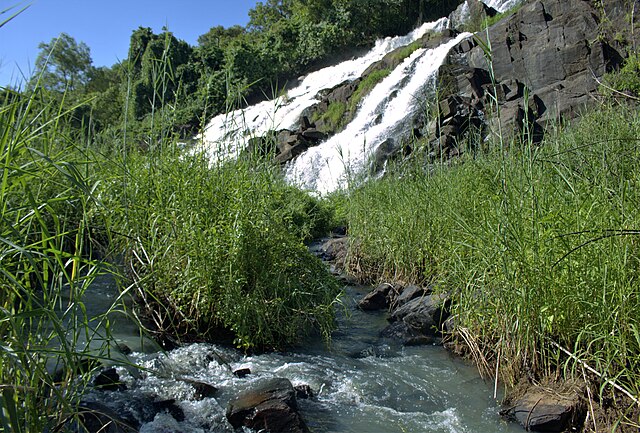
In Pader District, wetlands are more than marshes, they are lifelines. Swamps, riverbanks, floodplains, and seasonal marshes sustain farming, protect communities from floods, and support wildlife.
Farmers noted that wetlands provide water for households, grazing for livestock, and fertile grounds for dry-season crops, while also supporting beekeeping and traditional practices.
Yet wetlands face mounting threats. Pollution from vehicle washing, chemical use, sand mining, charcoal burning, and illegal construction are destroying these ecosystems. Forest Officer Okello Martin urged strict adherence to Uganda’s laws and permit systems, while farmers advocated climate-smart agriculture, buffer zones, and local committees to manage wetlands.Protecting these swamps safeguards livelihoods, preserves culture, and strengthens climate resilience for generations to come.
Wetlands in Pader are not idle land waiting to be “developed.” They are critical for sustaining farming communities, protecting the environment, and anchoring cultural traditions. This reality emerged during a live field visit, under the programme “Ngec Pi Lapur,” supported by ECOTRUST and the TASLL Project.
Farmers explained that wetlands take many forms like swamps, riverbanks, floodplains, and seasonal marshes. Locally known as “Togo or Dago,” they hold water for long, regulate floods, and replenish soil moisture in dry seasons. And with rain increasingly unpredictable, wetlands act as natural water reserves.
Community members emphasized the ecological services provided by wetlands. Doreen Akello noted that wetland grasses hold soil together, reducing erosion and protecting downstream farmland. They clean the air and are habitats for fish, turtles, and wildlife, keeping potentially dangerous animals away from homes.”
Her colleague, Elizabeth Aciro said farmers rely on wetlands for dry-season vegetable growing, generating income for school fees and household needs. Beyond ecology, the local farmers say wetlands support daily survival. They explained that it provides drinking water when boreholes fail and sustain beekeeping, as bees depend on wetland water to produce quality honey.
Wetlands also carry deep social and cultural value. Rose Auma from Tenam Sub-county described them as outdoor classrooms where children learn about indigenous trees and ecosystems. She also spoke of traditional practices linked to wetlands, including rain-invoking rituals and spiritual healing ceremonies.
Despite these benefits, farmers warned that wetlands are under increasing threat. They pointed to pollution from vehicle washing, where leaking engine oil kills grasses, insects, and aquatic life. Widespread use of herbicides and pesticides has also triggered crop diseases, including sugarcane that rots from the inside.
Charcoal burning and tree cutting were repeatedly mentioned as major drivers of destruction. Ronald Okema, another farmer stated that trees near wetlands are cut during dry seasons to make charcoal, leaving soils exposed.
“Some of the activities we do in wetlands are destroying our environment,” said Ronald Okema from Golo Parish, Latanya Sub-county. “Air pollution is a major issue. In places like Pager in Kitgum, vehicles are washed near wetlands, and leaking engine oil kills grasses, insects, and other living things. People also use herbicides and pesticides that harm all plants and animals, and charcoal cutting removes trees that protect the soil. Even rice farming, when not managed properly, can damage wetlands. We must protect our wetlands to avoid future problems.”
Community members in Pader District emphasized practical solutions to protect wetlands, advocating climate-smart agriculture, avoidance of large-scale cultivation, and use of organic practices. Farmers stressed the importance of buffer zones, suggesting 100 meters for major rivers and 30 meters for smaller water bodies.
“Within these zones, farmers can pursue sustainable activities like fishfarming and beekeeping, generating income while preserving water flow,” said Peace Akot, adding that controlled harvesting and selective tree cutting protects soil stability.
“As farmers working near wetlands, it is crucial to protect the plants and resources there. These are God-given, and we should treat them with the same care we give our own belongings. If we assume the wetland belongs solely to the government and use it carelessly, we risk losing its benefits. Wetlands must be used responsibly so that everyone can benefit.”
Okello reminded farmers that under Uganda’s 1995 Constitution and the National Environment Act, all wetlands belong to the state.
“Even if a wetland is on your land, the government decides how it can be used and grants permission according to the law. Farming, bush burning, and uncontrolled diversion of water are prohibited without a permit. Violations can lead to prosecution.”
Okello added that institutions like NEMA enforce wetland laws, including destroying illegally planted crops, while local governments monitor and report misuse. Permits are short-term and closely monitored to ensure responsible use.
According to NEMA, Uganda’s wetlands cover about 13.9 percent of the country’s land, with 3.4 million hectares formally protected. Despite improved restoration, 4.7 percent remain degraded by human activity. Government enforces regulations and raises awareness, underscoring the urgency for communities to protect wetlands to sustain livelihoods, biodiversity, and climate resilience.
****URN****