



Poor management of community maintenance funds is emerging as a major threat to the sustainability of rural water sources in Agago District, despite significant investments in expanding access to safe water.
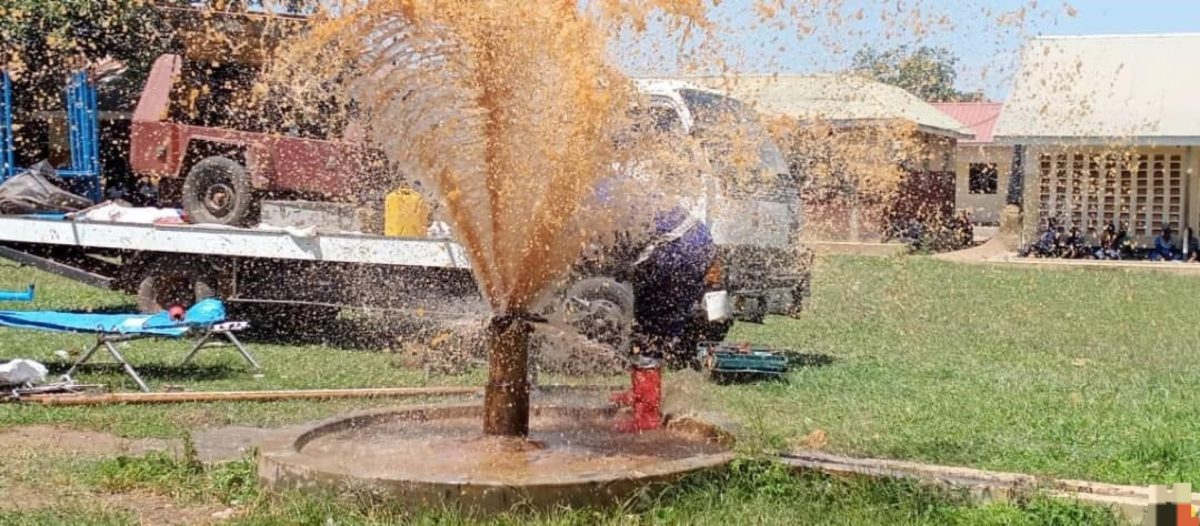
The concern was raised as the Lutheran World Federation (LWF) commissioned and handed over 247 newly drilled and rehabilitated boreholes, completing a four-year multimillion-Shilling water access project implemented under the Pii En Kwo (Water is Life) programme.
The boreholes, drilled and rehabilitated between August 2025 and July 2026, were officially commissioned on Friday at Te-Bung Village in Kal Parish, Patongo Sub-county by Agago Deputy Resident District Commissioner Susan Akot Moro.
The project benefited communities in Patongo, Lokole, Wol, Kotomor, Lirakato and Kuywee sub-counties. However, district officials warned that many rural water sources continue to fall into disrepair because communities are failing to properly manage funds collected for routine maintenance.
Agago Assistant Water Officer Alfred Ocaya said the district’s actual access to safe water stands at only 72 per cent after a recent verification exercise removed several obsolete water points from the Ministry of Water and Environment’s database.
Previous records had indicated coverage of 99 per cent. Ocaya attributed the frequent breakdown of boreholes largely to weak accountability among community water management committees.
According to him, households contribute between 1,000 and 2,000 shillings towards borehole maintenance, but the money is often unavailable when repairs are needed because some committee members divert the funds for personal use. As a result, broken boreholes can remain non-functional for months and, in some cases, more than a year while communities struggle to raise money for spare parts.
He also criticised politicians who promise to repair boreholes during election campaigns, saying such pledges discourage communities from saving for routine maintenance and weaken local ownership of the facilities. To improve accountability, Ocaya said the government has reduced the membership of water management committees from nine to three people comprising a chairperson, secretary and treasurer, making it easier to monitor finances and hold committee members accountable.
LWF Project Manager Richard Akena Oloya said the maintenance challenge remains one of the biggest threats to rural water supply in Agago. He revealed that although the district has more than 1,000 registered boreholes, nearly half are currently non-functional due to poor operation and maintenance.
Akena urged communities to strengthen oversight of water management committees, remove leaders who fail to account for maintenance funds and review user fees to match the rising cost of spare parts, noting that replacing a single pipe now costs more than 300,000 Shillings. To improve sustainability, LWF is introducing prepaid water management systems already being piloted in Labala, Lamiyo and Omot.
Under the system, users pay electronically before collecting water, allowing management committees to accumulate maintenance funds and respond more quickly to breakdowns.
The organisation is also shifting its focus from hand-pump boreholes to piped water systems and has already drilled three production wells at Opyelo, Ligiligi and Omot. The Omot piped water scheme is expected to serve both Omot and Arum sub-counties.
Agago Principal Assistant Secretary Samuel Nyeko urged communities that donated land for the water projects to protect the facilities and improve sanitation, saying access to safe water must be complemented by proper latrine use and hygiene practices to improve public health.
District Secretary for Works and Technical Services David Onencan appealed to LWF to extend its interventions to underserved areas that still lack safe water while calling on local leaders and Village Health Teams to enforce sanitation standards in every household.
Residents welcomed the rehabilitation of the boreholes, saying reliable access to clean water has improved their daily lives. Betty Akello, a resident of Orango Te-Bung Village, said frequent borehole breakdowns had previously forced families to fetch water from distant villages.
Akena warned that unless communities take greater responsibility for managing and maintaining water infrastructure, Uganda risks falling short of Sustainable Development Goal Six, which seeks universal access to safe water and sanitation by 2030. URN