

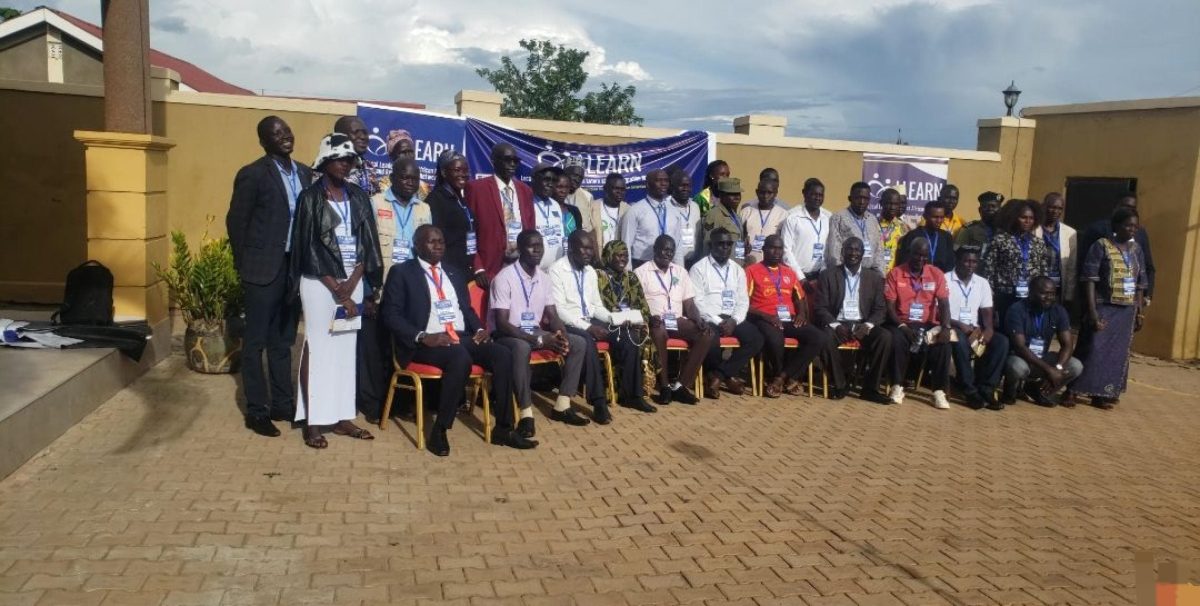
Refugees in Koboko Municipality have appealed for fair treatment and equal access to social services and economic programs.They are raising concerns over challenges they face in accessing services.
They said some schools charge different school fees for child refugees. They also claimed that the landlords tend to hike rental charges if approached by refugees.
Viola Saidia, a 23-year-old refugee who has relocated to Koboko town from the settlement, explained that, much as they want to operate businesses formally, registration is restricted to Uganda’s National Identity card.
She asked the authorities to address school fees disparities between nationals and refugees.Similarly, Isaac Mandela, another refugee living in the municipality, cited uneven charges for house rent and challenges in getting work as some of the major hindrances that they face.
These concerns were raised during the second participatory forum organized under the Local Leadership East African Return and Re-integration Network (LLEARN) program, spearheaded by Samuel Hall.
The program is jointly implemented by the South Sudanese Refugees Association (SSURA) in Uganda and regional partners in Ethiopia, Kenya, South Sudan, and Somalia, with funding from the International Centre for Migration and Policy Development (ICMPD).
Koboko Municipal Mayor, William Sanya, pledged meaningful integration of refugees to access all services, which he said will also help the local government in development, as everyone in the municipality will be actively involved.
He proposed skilling of both refugee and host community members to contribute to the economic development of the municipality. Many refugees from different settlements have since relocated to urban areas, posing pressure on service delivery to local governments since they did not include them in the budget.
The refugees, who access social services from the areas, were forced by economic hardships in the settlement, especially after donor funding was cut to refugees. Patrick Bongo Namisi of Cities Alliance emphasized the need for skilling programs for both refugee and host communities in response to the impact of donor funding cuts, which affect their livelihoods.
Uganda is now a host to 1,986,814 refugees as of February 28, 2026, according to the latest statistics obtained from the Office of the Prime Minister and UNHCR. The refugees are living in 538,447 households. URN