



Russia is seeking to deepen its scientific and technological cooperation with African countries, focusing on education, digitalisation, cybersecurity, medicine, and industrial development as demand for locally adapted technologies grows across the continent.
The push is outlined in an analytical review by the Roscongress Foundation titled Russia–Africa Cooperation: Implementation of the Action Plan for 2023–2026 and Future Prospects. The report identifies Africa as a strategic market for Russian technological expertise, investment, research partnerships, and professional training.
According to the review, population growth, digital transformation, and demand for solutions tailored to local needs are creating opportunities for Russian companies to expand their presence in African economies. Moscow also sees scientific cooperation as a way to promote domestic technologies, develop skilled personnel, strengthen research partnerships, and attract private investment.
Education and scientific training remain among the longest-standing pillars of Russia–Africa relations, dating back to the 1960s. More than 35,000 African students are currently enrolled in Russian universities, while Russian language centres operate in 27 African countries.
The report also highlights training programmes in digital public administration, with specialists from more than 20 African countries receiving instruction in the field.
Healthcare is another growing area of cooperation. Russian pharmaceutical companies are expanding into African markets, while Russia’s consumer protection and public health watchdog, Rospotrebnadzor, is working with African partners to establish a network of mobile laboratories for epidemic control.
Russian specialists have supported responses to outbreaks of Ebola, plague, measles, and yellow fever, alongside training programmes for local health workers. Mobile laboratories mounted on KAMAZ and GAZ vehicles have been supplied to Guinea, Madagascar, the Democratic Republic of the Congo, and South Africa.
These initiatives are intended to strengthen disease surveillance, improve outbreak preparedness, and build local capacity to respond to public health emergencies.
Beyond education and healthcare, Russian state-owned corporations and private technology companies are establishing a stronger presence in African markets.
The report identifies ROSATOM and ROSCOSMOS among the major state corporations involved in Russia’s technological engagement with the continent, alongside private companies such as Yandex.
Cybersecurity is emerging as a particularly promising area. According to the review, limited access to advanced cyber defence services in some African markets is creating demand for foreign solutions. Russian companies operating in this sector include Positive Technologies, Kaspersky, and StormWall.
In the oil, gas, and mining industries, Russian companies are combining resource extraction with geological exploration, technological services, and training for African personnel. Fertiliser production is another area where Russia has established a significant presence, offering opportunities for cooperation linked to agricultural productivity and industrial development.
Despite progress in several sectors, the Roscongress Foundation argues that Russia–Africa scientific and technological cooperation has yet to realise its full commercial potential.
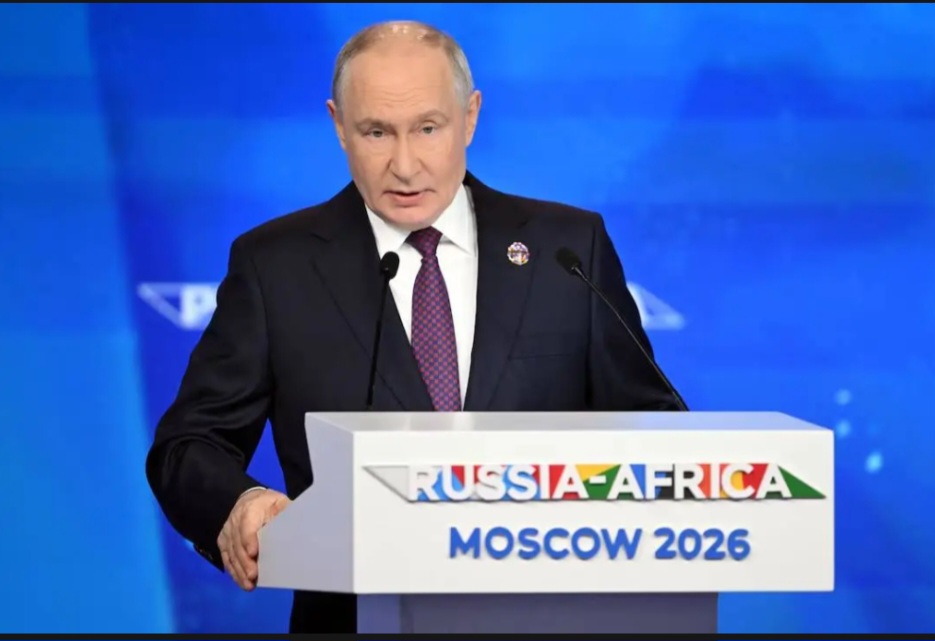
The report says some elements of the 2023–2026 Action Plan, adopted following the Second Russia–Africa Summit in July 2023, remain at an early stage. It calls for stronger mechanisms to turn existing projects into commercially viable technologies, sustainable supply chains, and long-term partnerships.
Information technology, cybersecurity, fertilisers, education, and medicine are identified as sectors where cooperation is sufficiently developed to move beyond isolated projects towards more systematic models of technology transfer, localisation, and professional training.
The report also warns that Russia must make timely and coordinated decisions to remain competitive in African technology markets, where other international players, particularly China and European countries, are seeking to expand their influence.
For African countries, the emerging partnerships offer potential access to technology, specialist training, research opportunities, and industrial expertise. Their long-term value will depend on how effectively these initiatives build local capabilities, support technology transfer, and create sustainable economic benefits.
Established in 2007 by a decision of the Russian president, the Roscongress Foundation is a non-financial development institution that organises international and domestic economic forums, exhibitions, and business, cultural, and public events.
The foundation also conducts economic research and analysis, supports investment promotion, and works with international organisations, government institutions, business associations, and media outlets to advance Russia’s economic interests and international partnerships.