



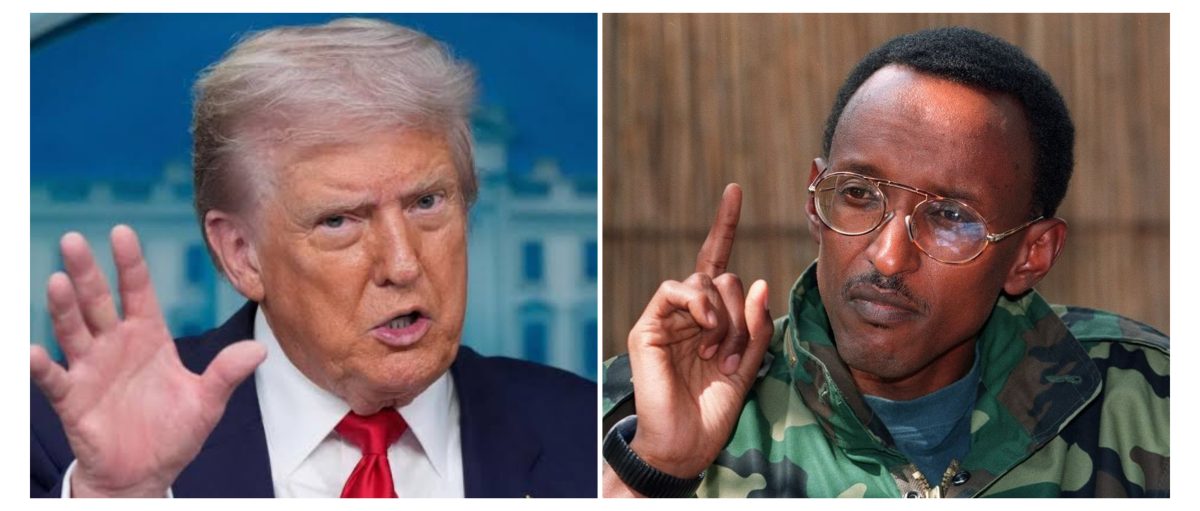
The Government of Rwanda has strongly rejected fresh sanctions imposed by the U.S. Department of the Treasury, describing the measures as “one-sided” and a distortion of the realities of the conflict in eastern Democratic Republic of the Congo (DRC).
In a statement issued Monday by the Office of the Government Spokesperson in Kigali, Rwanda said the sanctions unjustly target only one party to the peace process and misrepresent the situation on the ground.
The U.S. Treasury earlier announced sanctions against the Rwanda Defence Force (RDF) and four of its senior commanders — Vincent Nyakarundi, Ruki Karusisi, Mubarakh Muganga, and Stanislas Gashugi — accusing them of supporting the rebel group March 23 Movement in eastern Congo.
“Misrepresent the Reality”
In its response, Rwanda argued that consistent drone strikes and ground offensives by Congolese forces constitute violations of existing ceasefire agreements and continue to cost civilian lives. Kigali maintained that protecting Rwanda’s national security remains a “badge of honour” for the RDF.
The statement further accused the DRC coalition of including foreign mercenaries, state-sponsored ethnic militias known as Wazalendo, and the Democratic Forces for the Liberation of Rwanda (FDLR), which Rwanda describes as a genocidal militia operating alongside the Congolese army (FARDC).
Rwanda said that under the Washington Accords, Kinshasa committed to an irreversible and verifiable end to state support for the FDLR and associated militias but has failed to take concrete steps toward that goal.
Washington Accords at the Center
The diplomatic row follows the signing of the “Washington Accords for Peace and Prosperity,” brokered in the United States between Congolese President Félix Tshisekedi and Rwandan President Paul Kagame.
Days after the agreement, renewed fighting erupted in eastern Congo, including M23’s brief capture of Uvira near the Burundi border.
While Washington has called for the immediate withdrawal of RDF troops and equipment from eastern Congo, Kigali insists it remains committed to disengagement — provided the DRC fulfills its own security obligations under the peace framework.
Rwanda welcomed the resumption of the implementation process, including the Joint Oversight Committee mechanism established under the accords. It stressed that a sustainable solution requires an “even-handed approach” from all international partners.
Sanctions and Regional Implications
Under the U.S. action, all property and interests in property of the sanctioned individuals and the RDF within U.S. jurisdiction are blocked, and U.S. persons are generally prohibited from conducting transactions with them.
The sanctions mark a significant escalation in pressure from Washington and could strain historically close U.S.–Rwanda relations, particularly in the security and peacekeeping sectors.
Despite the tensions, Rwanda reiterated its commitment to delivering on all aspects of the Washington Accords, including regional economic integration efforts, signaling that it intends to remain engaged in diplomatic processes even as it contests the legitimacy of the sanctions.