



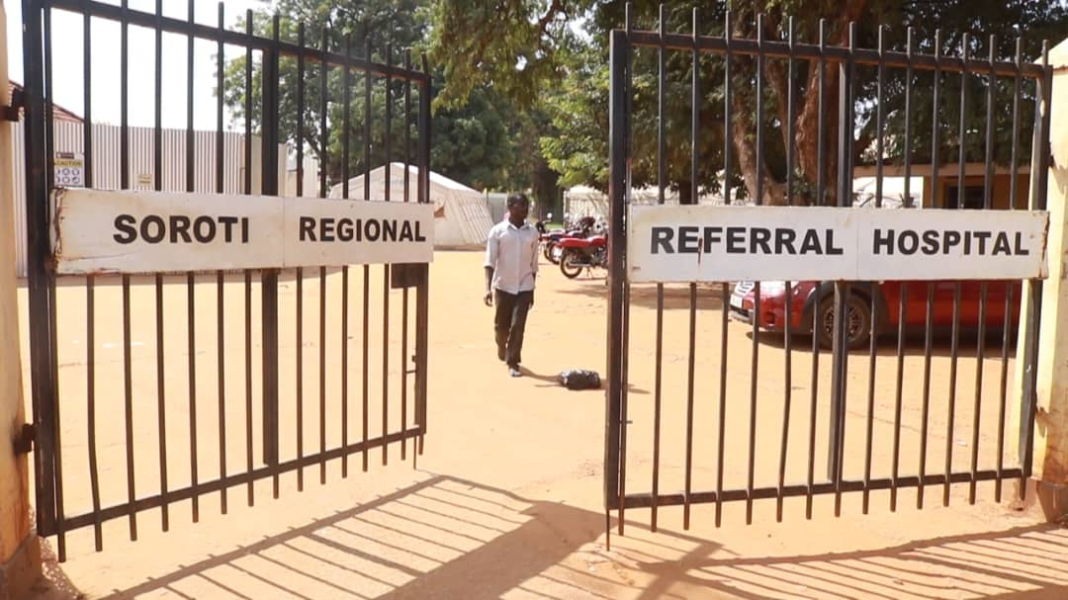
Soroti Regional Referral Hospital has rolled out a comprehensive Public Health Emergency Management System aimed at improving early detection, surveillance, and response to disease outbreaks across the Teso sub-region. With a total allocation of 110 million shillings, the program is designed to serve over 2.4 million people across Bukedea, Kumi, Ngora, Serere, Kaberemaido, Kalaki, Amuria, Katakwi, Kapelebyong, Soroti City, and Soroti district.
Dr. Joseph Morris Enabu, Head of the Community Health Department at the hospital, explained that the system ensures timely, coordinated, and data-driven responses to emerging public health threats. “The framework centres on the Public Health Emergency Operations Centre (PHEOC) at Soroti Hospital, which functions as the nerve centre for monitoring disease trends, coordinating responses, and guiding decision-making at the regional level,” Dr. Enabu said.
The system uses real-time disease surveillance supported by the National District Health Information System (DHIS2). All health facilities report identified disease conditions through the platform, enabling health authorities to detect unusual increases and trigger alerts. Dr. Enabu noted that disease thresholds help distinguish between expected disease levels and outbreaks. For example, tuberculosis is expected to affect about three people in a population of 200,000; any rise beyond that triggers urgent intervention.
The surveillance system operates from the community level up to the national level, with Village Health Teams and community members acting as the first line of detection. Suspected cases are reported to health facilities, escalated to district authorities, and consolidated at regional and national emergency centres. Lessons from the COVID-19 pandemic informed the decentralization of emergency response, allowing regional hospitals to act swiftly without waiting for directives from the Ministry of Health.
“When disease levels remain normal, the system operates in a ‘watch mode,’ focusing on surveillance, preparedness, training, and public awareness. Once alerts are confirmed, the response escalates to full intervention, followed by de-escalation once the threat is contained,” Dr. Enabu said.
With schools reopening, he warned of increased risks of measles and other contagious diseases, citing outbreaks in at least five Teso districts in 2025. Regional teams supported districts with response planning, contact tracing, and mass vaccination campaigns. The emergency operations centre is equipped with digital monitoring screens that track disease trends at the hospital, district, regional, and national levels. It also monitors performance indicators from development partners supporting health interventions.
Dr. Enabu identified malaria as the leading disease burden in the region, followed by respiratory tract infections, which peak during dry seasons. He also raised concern over rising cases of non-communicable diseases such as hypertension and diabetes, particularly among the elderly, attributing the trend to reduced physical activity and changing lifestyles.
Oversight of the system is provided by a Regional Steering Committee comprising Resident District Commissioners, district leaders, health and veterinary officers, security agencies, UPDF medical teams, hospital management, and implementing partners. The committee conducts multi-hazard risk assessments and develops seasonal calendars to anticipate disease outbreaks.
Dr. Enabu called on the public to actively support the system by reporting suspected health threats through the toll-free SMS line 6767, where alerts are verified and acted upon immediately. Hospital authorities say the strengthened public health emergency management system will enhance preparedness, protect communities, and reduce the impact of disease outbreaks across the Teso sub-region.
****URN****