



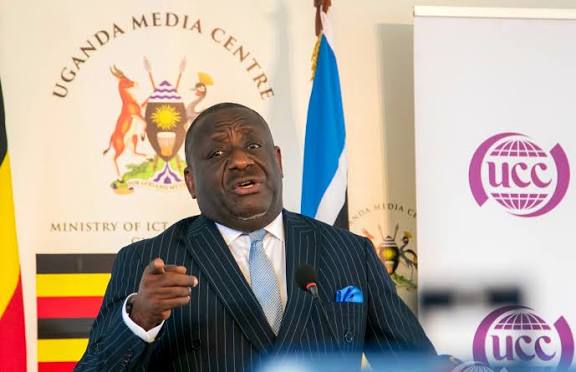
The Uganda Communications Commission (UCC) has ordered a partial shutdown of internet access in public places ahead of Thursday’s presidential and parliamentary elections, a move that revives memories of past election-period restrictions and has already sparked concern among civil society and digital rights advocates.
In a directive issued on Tuesday, UCC said the decision was taken following guidance and recommendations from the Inter-agency Security Committee, a multi-agency body responsible for coordinating national security during sensitive periods such as elections.
According to the commission, all licensed mobile network operators and internet service providers have been instructed to temporarily suspend public internet access, halt the sale and registration of new SIM cards, and suspend outbound data roaming services to One Network Area countries.
The measures are expected to affect internet access in public spaces such as cyber cafés, public Wi-Fi hotspots, and other shared access points.
UCC spokesperson Ibrahim Kibuuka Bbosa said he could neither confirm nor deny details of the directive, noting that the commission’s Executive Director was scheduled to address the matter at a press conference later in the evening.
The move comes against the backdrop of earlier warnings by the Electoral Commission (EC) that internet access during the election period would depend on how users conduct themselves online.
In December, EC legal advisor Abdu Sallam Waiswa said the commission had a team monitoring online activity and would recommend an internet shutdown if digital platforms were deemed a threat to security or the electoral process.
Waiswa said at the time that once authorities determined that online activity was being used to incite violence, spread harmful misinformation, or undermine public order, restrictions would be imposed. However, it remains unclear whether UCC has received conclusive evidence that the internet has been abused or misused to justify the latest directive.
Bbosa said all questions surrounding the decision to suspend public internet access would be addressed by the UCC Executive Director during the 6 pm briefing.
In its written explanation, UCC said the suspension is intended to mitigate the rapid spread of online misinformation and disinformation, prevent electoral fraud, and reduce the risk of incitement to violence that could undermine public confidence in the electoral process and threaten national security.
The suspension will take effect on January 13, 2026, at 6 pm and will remain in force until UCC issues a restoration notice.
During this period, all non-essential public internet traffic is to be blocked. This includes, but is not limited to, access to social media platforms, web browsing, video streaming services, personal email, and messaging applications.
Uganda has previously imposed internet restrictions during general elections, citing security concerns, a practice that has drawn criticism from rights groups who argue that such measures limit access to information, restrict freedom of expression, and hinder transparency during a critical democratic process.