

Diplomatic relations between Uganda and the Democratic Republic of Congo (DRC) are facing renewed strain following controversial remarks by Uganda’s Chief of Defence Forces, Gen Muhoozi Kainerugaba, over the escalating conflict in eastern Congo.
The diplomatic fallout has exposed growing sensitivities surrounding Uganda’s military presence in eastern Congo, Kinshasa’s concerns over territorial sovereignty and the increasingly complicated political dynamics surrounding the conflict.
The latest dispute follows social media statements by Muhoozi expressing support for the advance of the Front for the Refoundation of the Nation (FRN), a movement associated with former Congolese president Joseph Kabila.
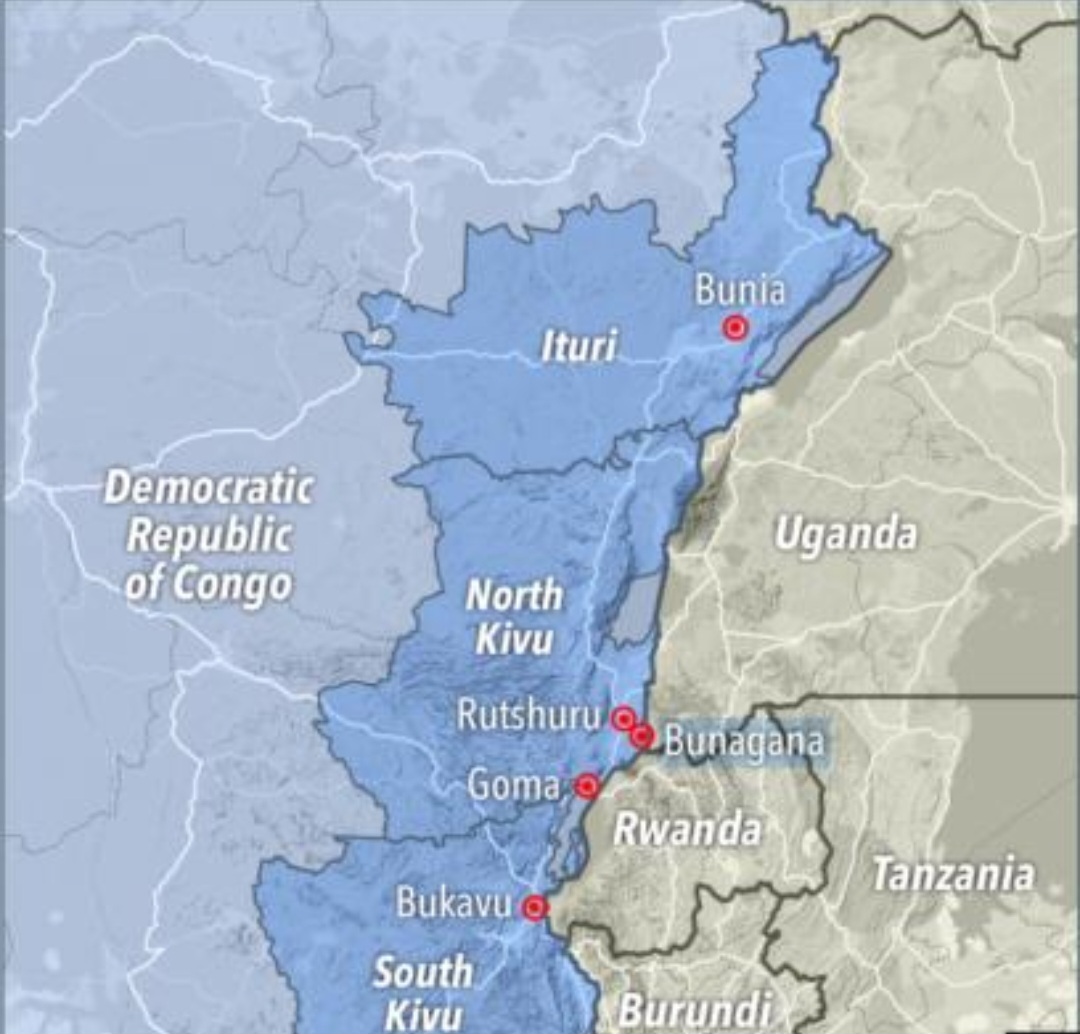
His remarks reportedly included references to the possible capture of Walikale in North Kivu and suggestions that Ugandan forces could take control of the territory if the rebel movement failed to do so. He also made comments concerning Isiro Airport in Haut-Uele.
The statements triggered concern in Kinshasa, prompting the Congolese government to summon Uganda’s diplomatic representative on November 24 and demand clarification over the military chief’s remarks.
At the centre of the disagreement is whether the statements represent personal political commentary or reflect Uganda’s broader military and foreign policy intentions.
The controversy is particularly sensitive because Uganda and the DRC have maintained military cooperation in eastern Congo through Operation Shujaa, a joint campaign launched in November 2021 to combat the Allied Democratic Forces (ADF).
The ADF, which originated in Uganda and established bases in eastern Congo, has carried out deadly attacks in both countries and is linked to the Islamic State.
The joint operation provided Uganda with an opportunity to pursue the group across the border while strengthening military cooperation with the Congolese armed forces, FARDC.
However, eastern Congo’s security situation extends well beyond the ADF insurgency. The region is affected by numerous armed groups, political rivalries, territorial disputes and competing regional interests.
This complexity has increasingly placed Uganda’s military engagement in a politically sensitive environment.
For Kinshasa, the question of sovereignty is particularly important. The DRC has experienced decades of conflict involving domestic armed groups and allegations of foreign interference. Any suggestion that a neighbouring country’s military could independently take control of Congolese territory is therefore likely to provoke a strong response.
Muhoozi’s position as Uganda’s serving military chief makes the controversy even more consequential. Unlike ordinary political commentary, statements from a senior military commander can be interpreted as indications of military thinking or strategic intentions, regardless of whether they represent formally approved government policy.
The dispute also raises questions about the coordination between Uganda’s military leadership and its diplomatic institutions, particularly when public statements concern sensitive regional security developments.
Meanwhile, Uganda’s planned withdrawal of troops from Lubero town in North Kivu has added another dimension to the unfolding situation.
The UPDF has indicated that it intends to withdraw its forces from Lubero within approximately two weeks and transfer security responsibilities to FARDC. Uganda has maintained that the wider Operation Shujaa campaign will continue elsewhere in eastern Congo.
Although the timing has attracted speculation about a possible connection with the diplomatic disagreement, neither government has established that the planned withdrawal is a direct response to the tensions.
The handover could nevertheless become an important test of the two countries’ ability to maintain military cooperation while respecting Congolese authority over its territory.
Beyond security, Uganda and the DRC have significant economic interests in maintaining stable relations.
The DRC is an important destination for Ugandan exports, while cross-border trade supports businesses, transporters, farmers and communities in both countries. Uganda has also invested in infrastructure intended to improve access to eastern Congo and strengthen regional commercial connections.
A deterioration in diplomatic relations could therefore affect more than military cooperation, potentially undermining trade, infrastructure development and broader regional integration.
The dispute also has implications for the wider Great Lakes region, where Uganda, Rwanda, Burundi and the DRC have overlapping security and political interests.
Eastern Congo remains a major regional security concern, particularly because of the M23 conflict and the presence of several other armed movements. Any deterioration in relations between Kampala and Kinshasa could complicate regional efforts to stabilise the area and create further uncertainty around military cooperation.
Despite the tensions, both governments appear keen to prevent the disagreement from escalating into a broader diplomatic crisis.
Ugandan Foreign Minister Adonia Ayebare and his Congolese counterpart, Thérèse Kayikwamba Wagner, held a telephone conversation on November 27, during which they agreed to address their differences through official diplomatic channels.
The two sides also reaffirmed respect for sovereignty and territorial integrity and the importance of maintaining cooperation in defence, economic relations and public health.
The engagement suggests that diplomacy remains the preferred avenue for managing the disagreement, although significant questions surrounding military communication, political sensitivities and the future of Operation Shujaa remain.
For Uganda, the challenge is to protect its security interests in eastern Congo without creating the perception that it is interfering in the country’s internal political affairs.
For the DRC, the challenge is to preserve regional security cooperation while ensuring that foreign military involvement does not undermine its territorial authority.
The immediate diplomatic fallout may be contained, but the underlying differences expose a difficult balancing act for two neighbours whose security and economic interests remain closely connected.
The unfolding situation raises a fundamental question: Can Uganda and the DRC sustain their military partnership while increasingly differing over the political and security future of eastern Congo?