



Months after the conclusion of the 2026 general elections, Uganda remains locked in a digital standoff. While the Electoral Commission (EC) officially declared Yoweri Museveni the victor in mid-January, opposition figures have turned to X (formerly Twitter) to wage a persistent campaign for “granular transparency,” demanding polling-station-level results to verify the reported 71.65% victory.
The tension began on election day, January 15, when National Unity Platform (NUP) leader Robert Kyagulanyi (Bobi Wine) alerted the international community to a nationwide internet shutdown.”Massive ballot stuffing reported everywhere,” Kyagulanyi posted, urging Ugandans to “reject the criminal regime.” The blackout, which persisted throughout the tallying process, has become the cornerstone of the opposition’s argument. They contend that the official numbers were “manufactured” while the country was digitally silenced.
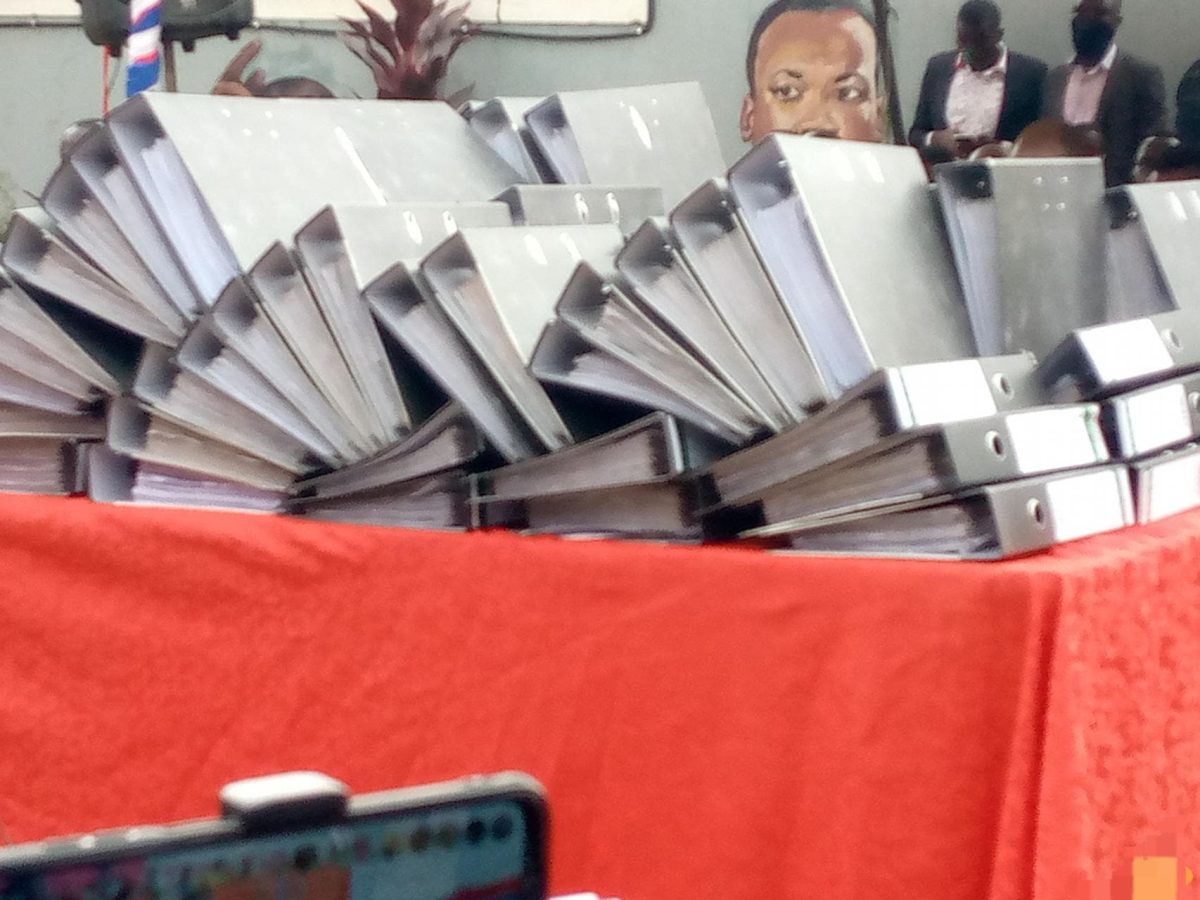
Since the January 17 declaration, the demand has shifted to a specific technical requirement: the publication of Declaration of Results (DR) forms.”Where are the DR Forms? We challenge the EC to publish the tally sheets for every polling station for public scrutiny,” the party’s official account posted on January 18. On February 3, FDC Presidential Candidate Nandala Mafabi formally rejected the results, citing systematic manipulation.
This stance was later echoed by Party President Patrick Amuriat Oboi, who characterized the election as a failure of the people’s will.The 2026 post-election period saw a significant departure from traditional legal strategies.
While NUP dominated the digital space, the formal legal battle in the Supreme Court took a sharp turn.Presidential Petition No. 1 of 2026, filed by candidate Robert Kasibante, was withdrawn on February 26. Kasibante cited the “prohibitive cost of forensic audits” and a lack of access to electronic data as primary obstacles.
However, Bobi Wine explicitly refused to file a petition, labeling the judiciary as “captured” and citing his 2021 experience as proof of the futility of formal legal challenges. Following the withdrawal of the Kasibante petition, the Supreme Court confirmed President Museveni as the President-elect, clearing the path for his inauguration on May 12.
The Uganda Law Society (ULS noted in its February report that while the letter of the law was followed, the “transparency gap” created by candidate disqualifications and internet disruptions remains unhealed. The global response has also been starkly divided. While the African Union (AU) acknowledged the “consistent holding of elections,” Western powers have been far more critical.
In a heated February 12 session, the European Parliament criticized the “systematic shrinking of democratic space” and discussed a full review of developmental funding to Uganda. Senator Jim Risch suggested that the Ugandan administration is becoming a “problematic exporter of instability.” Discussions in Washington have even shifted toward individual sanctions, specifically targeting General Muhoozi Kainerugaba.
As of May 2026, the Ugandan government continues to dismiss international critiques as interference with “internal sovereignty,” maintaining that heavy security was necessary to prevent an insurrection. However, with “digital evidence” of irregularities continuing to circulate on social media, the 2026 election is still being fought- one tweet at a time. URN