

The 12th Parliament has breathed new life into dozens of accountability reports, petitions and statutory instruments that lapsed with the dissolution of the 11th Parliament, setting the stage for renewed scrutiny of public spending, governance failures and unresolved audit queries involving government institutions.
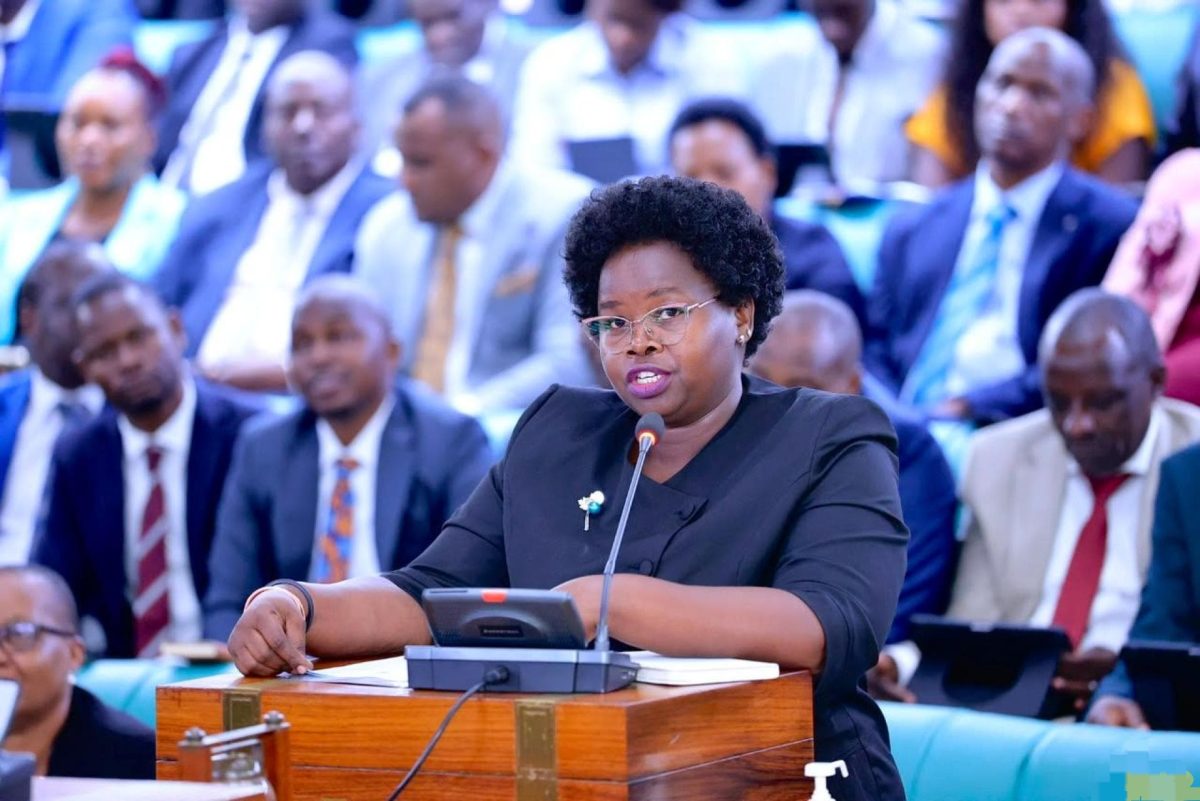
The House adopted a motion moved by Judith Nakut Loru, invoking Rules 58 and 245(2) of the Rules of Procedure of Parliament, to reinstate parliamentary business that automatically lapsed when the 11th Parliament completed its constitutional five-year term on 24 May 2026.Under Rule 245(1), all business pending before Parliament or its committees expires upon dissolution.
However, Rule 245(2) allows the new Parliament, within its first 14 sittings, to restore unfinished business through a formal resolution where it considers such matters to be of continuing public importance.In moving the motion, Nakut argued that many of the outstanding matters involved statutory reports and petitions that Parliament is constitutionally mandated to consider.”Parliamentary business that lapsed upon the dissolution of the 11th Parliament is of a vital nature, relating to statutory reports, petitions and statutory instruments, the consideration and approval of which is a preserve of Parliament,” she told the House.
The motion was seconded by John Baptist Nambeshe, the Manjiya County MP, and James Kakooza, the Older Persons Representative for Central Region.Among the most significant items revived is the Auditor General’s Annual Report to Parliament for the audit year ended 31 December 2025, a document expected to form the basis of investigations by Parliament’s accountability committees into the management of public resources across ministries, departments, agencies and local governments.
Also reinstated were the National Planning Authority Annual Performance Report for Financial Year 2024/2025, the Petroleum Fund Annual Report, the 28th Annual Report of the Uganda Human Rights Commission on the State of Human Rights and Freedoms, and the Education Service Commission Annual Performance Report.
These reports are central to Parliament’s constitutional oversight function and provide legislators with the evidence needed to assess whether public institutions are complying with financial laws, delivering services efficiently and implementing government programmes as approved.
Under Articles 79 and 90 of the Constitution, Parliament is vested with legislative authority and exercises oversight over the Executive through committees. Meanwhile, Articles 163 and 164 establish the office of the Auditor General and require audit reports to be submitted to Parliament for scrutiny and appropriate action. The Public Finance Management Act further requires accounting officers to account for the use of public resources and respond to audit findings. Beyond statutory reports, Parliament also revived several high-profile petitions and committee inquiries touching on governance, environmental protection and public administration.
Among them are a petition by the National Sports Officers Association over what it describes as the persistent discrimination of sports officers within local governments, and another by the Uganda Technical and Vocational Trainers’ Union, which is seeking parliamentary intervention over the continued neglect of the Technical and Vocational Education and Training (TVET) sub-sector.
The House also reinstated investigations into the destruction of Zoka Forest and complaints by small and medium enterprises concerning historical governance and leadership challenges at the Uganda National Bureau of Standards (UNBS). In addition, Parliament will resume consideration of committee reports recommending tax arrears waivers for New Plan Limited, Fresh Cuts Uganda Limited, and Innovations for Poverty Action.
The reinstatement of the lapsed business presents one of the earliest tests of the 12th Parliament’s commitment to accountability. Audit reports are not merely administrative documents. They often uncover weaknesses in procurement, payroll management, revenue collection, project implementation, asset management and financial reporting. Left unattended, such findings can delay corrective action, weaken public financial management and undermine confidence in government institutions.
The revived report is expected to guide the work of Parliament’s accountability committees, including the Public Accounts Committee, the Committee on Commissions, Statutory Authorities and State Enterprises (COSASE), the Public Accounts Committee for Local Government and the Public Accounts Committee for State Enterprises, as they investigate whether accounting officers have addressed previous audit recommendations. URN